


Key Takeaways
- Iron infusion skin staining can occur if iron leaks outside the vein during treatment.
- In some cases, iron staining may become permanent without treatment.
- Experienced clinicians use careful cannulation and monitoring to help reduce risk.
- Patients should immediately report pain, swelling or discomfort during an iron infusion.
- Some patients may benefit from cosmetic laser treatment for persistent pigmentation.
Many patients considering an iron infusion want to understand both the benefits and potential risks of treatment.
Although iron infusion skin staining is uncommon, it is an important patient safety consideration. Experienced clinics follow careful monitoring and cannulation protocols to help minimise the risk of iron extravasation and skin pigmentation.
This guide explains what iron staining is, why it can occur and what treatment options may be available if staining develops.
Iron infusions: Avoiding the stain
Iron infusions are commonly used to treat iron deficiency when oral supplements are ineffective, poorly tolerated or unable to restore iron stores fast enough. While iron infusions are generally safe, one potential complication patients often worry about is iron staining.
Iron staining can happen when iron leaks from the vein into the surrounding tissue during the infusion process. This may lead to brown or grey skin discolouration around the infusion site, which can sometimes become long-term.
Although staining is uncommon, understanding the risks, warning signs and prevention strategies can help patients feel more informed and confident before treatment. Moonee Valley Specialist Centre focuses heavily on patient safety, careful monitoring and experienced infusion techniques to help minimise complications during iron infusion procedures.
Why do you need iron?
Iron infusion treatment may be recommended for patients with iron deficiency or iron deficiency anaemia when oral iron supplements are ineffective, poorly tolerated, or unlikely to restore iron levels quickly enough.
Intravenous iron infusions are commonly used when patients require faster iron replacement or have difficulty absorbing oral iron preparations.
Iron deficiency anaemia
Iron infusions are commonly used to treat iron deficiency anaemia, particularly when patients experience ongoing fatigue, low ferritin levels or persistent symptoms despite oral supplementation.
Poor tolerance to oral iron preparations
Some patients develop side effects from oral iron preparations, including:
- nausea
- constipation
- stomach discomfort
- bloating
Intravenous iron may be considered when these symptoms make long-term treatment difficult.
Pregnancy and increased iron requirements
Pregnant women may require additional iron, particularly in the second or third trimesters when iron requirements increase.
Iron infusion treatment may sometimes be recommended when oral supplements are insufficient or iron deficiency anaemia becomes more significant.
Treatment decisions during pregnancy should always be guided by the patient's doctor and individual clinical needs.
Conditions affecting iron absorption
Certain gastrointestinal conditions may reduce the body's ability to absorb iron effectively.
This can include conditions such as:
In these situations, parenteral iron treatment may help restore iron levels more efficiently than oral supplementation alone.
Unexplained iron deficiency
Some patients develop iron deficiency due to slow blood loss in the digestive tract. Doctors may recommend investigations such as gastroscopy, colonoscopy, or capsule endoscopy to help identify potential causes.
Boosting your iron levels
Several treatment approaches may help increase iron stores and improve iron deficiency symptoms.
Iron infusions are often recommended when quicker correction of iron deficiency is required or when oral supplements are ineffective.
What is an iron infusion skin stain?
An iron infusion stain is a skin discolouration that may occur if iron leaks outside the vein during treatment. This complication is known as extravasation.
The leaked iron can settle into surrounding tissue and cause brown, rust-coloured or grey pigmentation around the infusion site. In some cases, the stain may fade gradually over time. In others, it may persist long-term.
Although iron staining is considered uncommon, patients should still understand the potential risk before undergoing treatment.
How and when does iron staining occur?
Iron staining can occur if iron leaks outside the vein and into the surrounding tissue during an iron infusion. This is known as extravasation.
When leakage happens, iron particles can settle into the skin and underlying tissue, leading to brown, grey or rust-coloured discolouration around the infusion site. In some cases, staining appears immediately during treatment. In others, it may develop gradually over the following hours or days.
Potential causes of leakage may include:
- movement of the cannula during the infusion
- fragile or difficult-to-access veins
- vein irritation or damage
- incorrect cannula positioning
- pressure changes around the IV site
Patients may notice early symptoms before visible staining develops, including:
- pain or burning near the cannula
- swelling or tightness
- tenderness around the infusion site
- fluid leakage
- changes in skin colour
Because staining can develop either immediately or later, ongoing monitoring during and after the infusion is important. Patients should notify staff straight away if they experience discomfort or notice changes around the IV site during treatment.
Responding quickly to the early signs of staining
Early intervention is important if iron leakage is suspected during an infusion. Acting quickly may help reduce the severity of long-term skin staining and limit further iron exposure to surrounding tissue.
Patients should immediately alert clinical staff if they notice:
- pain or burning around the IV site
- swelling or tightness
- discomfort during the infusion
- skin darkening or discolouration
- fluid leaking near the cannula
- sudden changes around the infusion area
If extravasation is suspected, the infusion is typically stopped immediately to allow the site to be assessed. Clinical staff may then review the cannula position, monitor the area, and determine appropriate next steps based on symptom severity.
Because iron staining can sometimes worsen after the infusion has finished, patients should continue to monitor the area after treatment and seek medical advice if they notice ongoing pain, swelling, or skin colour changes.
Prompt recognition and response are important parts of reducing complications associated with iron infusion staining.
Addressing an iron stain
Iron staining may appear as brown, grey or rust-coloured skin discolouration around the infusion site after iron has leaked into the surrounding tissue.
The appearance and severity of staining can vary between patients depending on how much iron entered the tissue and how the skin responds afterwards. Some areas may remain faint and localised, while others can become more noticeable over time.
Because iron staining can sometimes persist long-term, patients who notice ongoing skin discolouration after an infusion should arrange medical review for assessment and guidance.
Treatment options for iron infusion stains
Management options may include:
- dermatology referral
- laser therapy assessment
- pigmentation monitoring
- skin management planning
- cosmetic camouflage support
Treatment suitability depends on the severity, location and duration of the staining, as well as individual skin characteristics.
Reducing the risk of an iron stain
While iron staining is uncommon, careful clinical technique and ongoing monitoring are important for reducing the risk of iron leakage during treatment.
Reducing complications starts with proper vein assessment, appropriate cannula placement and close observation throughout the infusion process. Patients also play an important role by reporting discomfort or changes around the IV site as soon as they occur.
Best practices during the iron infusion procedure
Several clinical measures may help minimise the risk of extravasation and iron staining, including:
- selecting an appropriate vein before cannula insertion
- securing the cannula to reduce movement during treatment
- checking the infusion site regularly throughout the procedure
- monitoring for pain, swelling or skin changes
- adjusting or stopping the infusion if concerns arise
- ensuring infusions are delivered by trained clinical staff
Careful monitoring throughout the procedure helps identify potential issues early and supports safer iron infusion treatment.
What happens before an iron infusion?

- Review of your symptoms, medical history and current medications
- Blood tests to assess ferritin, iron levels and haemoglobin
- Discussion about previous reactions or allergies
- Explanation of the procedure, risks and expected outcomes
- Opportunity to ask questions before treatment begins
- Consent process before the infusion appointment
- Advice about hydration and preparation before attending the clinic
These preparation steps help confirm whether an iron infusion is suitable and support safer treatment planning.
What happens during an iron infusion?
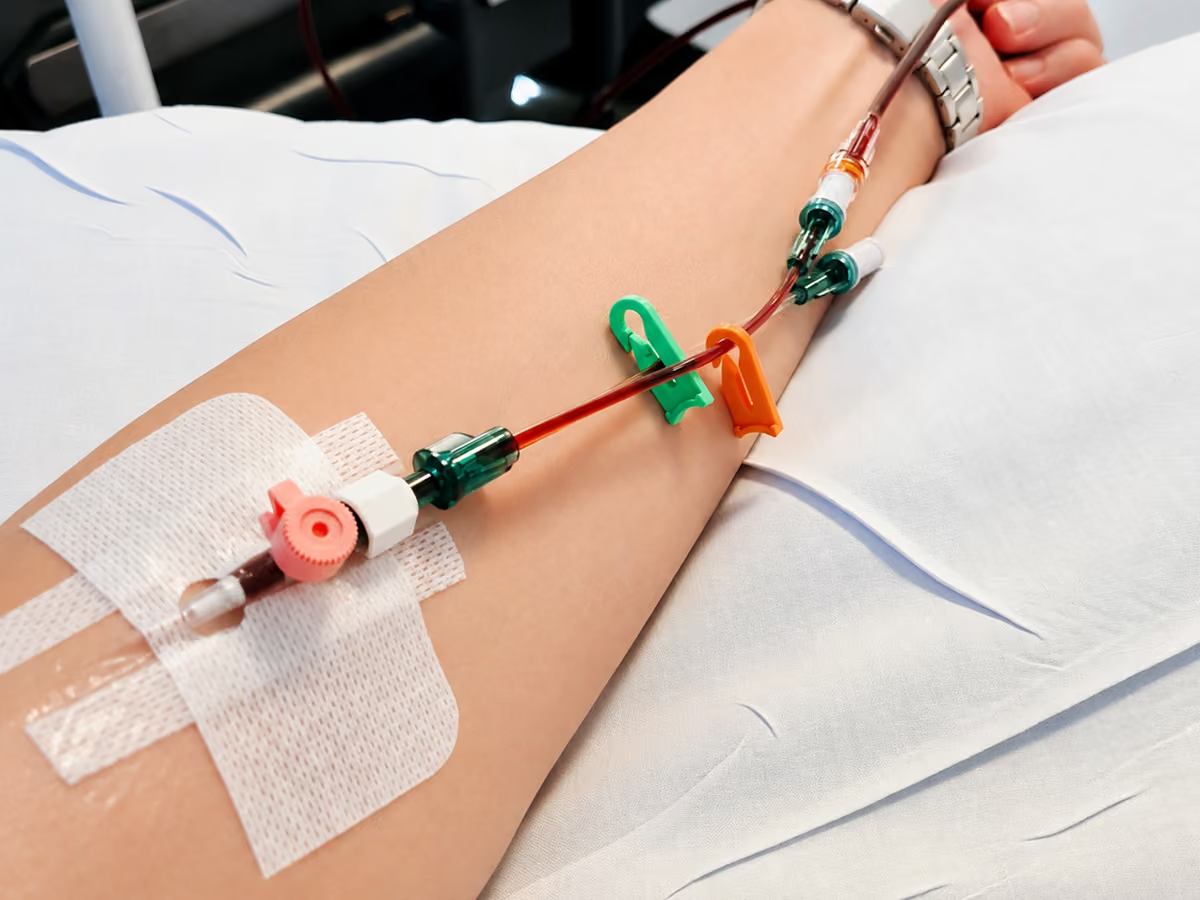
An iron infusion delivers iron directly into the bloodstream through an intravenous (IV) line. The procedure is performed in a monitored clinical setting to support patient safety and comfort throughout treatment.
- A nurse inserts a small cannula into a vein, usually in the arm or hand
- The iron solution is connected to the IV line and administered slowly
- Clinical staff monitor the infusion site and your overall condition during treatment
- Patients are asked to report pain, swelling or discomfort immediately
- The infusion duration varies depending on the prescribed treatment
- A short observation period may follow before leaving the clinic
Careful monitoring throughout the procedure helps reduce complications and supports safe iron infusion treatment.
What should you do after an iron infusion?
After an iron infusion, most patients can return to normal daily activities shortly after treatment. Following basic aftercare advice may help reduce discomfort and support recovery.
- Drink plenty of fluids after the infusion
- Monitor the IV site for pain, swelling or skin colour changes
- Rest if you feel tired or unwell afterward
- Follow any instructions provided by your healthcare team
- Attend follow-up blood tests if recommended
- Seek medical advice if symptoms worsen or new concerns develop
Patients should seek urgent medical attention if they experience chest pain, difficulty breathing, severe swelling or signs of an allergic reaction after treatment.
Common side effects after iron infusion
Most iron infusions are well tolerated, but some patients may experience mild short-term side effects as the body adjusts to treatment.
Common side effects may include:
- headache
- fatigue
- nausea
- dizziness
- metallic taste in the mouth
- mild flushing
- muscle or joint aches
- soreness around the IV site
These reactions are usually temporary and often improve within a few hours to several days after treatment.
Patients should seek medical advice if side effects become severe, persist or worsen after the infusion.
Risks and complications of iron infusion
While most iron infusions are completed without serious complications, patients should still understand the potential risks associated with intravenous iron treatment.
| Potential complication | What it involves | Clinical response |
|---|---|---|
| Iron staining | Iron leaks into surrounding tissue and causes skin discolouration | Infusion stopped and site assessed immediately |
| Extravasation | Iron escapes outside the vein during treatment | Monitoring and early intervention to reduce complications |
| Allergic reaction | Rare immune response to the iron infusion | Immediate medical assessment and treatment |
| Vein irritation | Inflammation or discomfort around the cannula site | Cannula review and symptom monitoring |
| Low blood pressure | Temporary blood pressure drop during infusion | Observation and supportive care |
| Delayed symptom improvement | Iron stores take time to recover after treatment | Follow-up review and blood test monitoring |
Patients should seek urgent medical attention if they experience severe swelling, chest pain, breathing difficulties or signs of a serious allergic reaction after treatment.
Moonee Valley Specialist Centre's approach to iron infusions
Moonee Valley Specialist Centre provides iron infusions within a carefully monitored clinical environment focused on patient safety, comfort and clear communication throughout treatment.
The clinic follows structured clinical protocols designed to help reduce complications and support safe iron infusion procedures, including:
- careful patient assessment before treatment
- experienced cannula placement and monitoring
- ongoing observation during the infusion
- clear patient guidance before, during and after treatment
- prompt response to discomfort or infusion concerns
- follow-up support where required
Iron infusions are delivered by experienced clinical staff within a specialist-led setting that prioritises patient understanding and personalised care.
Moonee Valley Specialist Centre has performed thousands of iron infusions with a strong safety record, including no reported staining incidents over more than 13 years of procedures.
IV Iron infusion therapy at Moonee Valley
Specialist-led treatment options for patients with iron deficiency, low ferritin levels and ongoing symptoms.
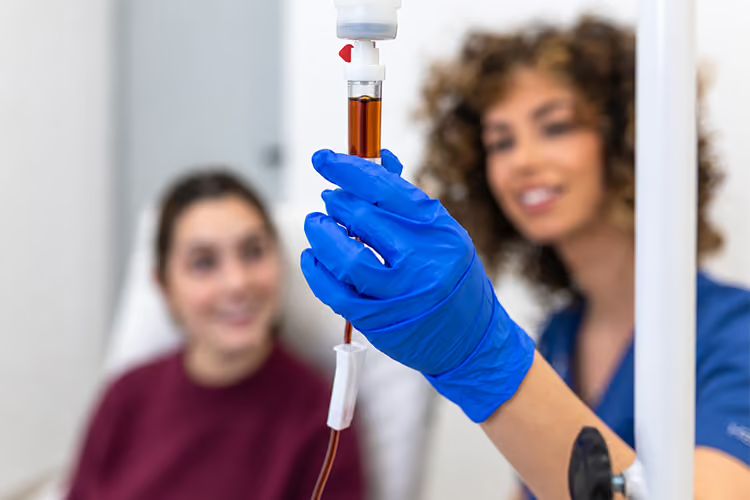
Fast and effective treatment for iron deficiency, delivered safely in a comfortable clinical setting by experienced staff.
Getting started with an iron infusion
If you have ongoing fatigue, low ferritin levels or symptoms linked to iron deficiency, an iron infusion may help restore your iron stores more effectively than oral supplements alone.
Moonee Valley Specialist Centre provides streamlined appointment pathways and clear patient guidance to help patients feel informed and supported throughout the treatment process.
FAQs about iron infusion stains and safety
Can iron staining from parenteral iron treatment be permanent?
Yes, iron staining can occasionally become long-lasting or permanent if iron enters the surrounding tissue during treatment.
The cosmetic appearance varies between patients and depends on factors such as the amount of iron involved, the injection site, and how quickly extravasation is recognised.
What is extravasation during an iron infusion?
Extravasation occurs when iron leaks outside the vein into the surrounding tissue during intravenous administration.
This may cause pain, swelling or skin discolouration around the cannula or injection site during treatment.
How much iron is usually given during an infusion?
The amount of iron administered varies depending on the patient's iron levels, indication for treatment and the type of iron preparation used.
Treatment doses are typically measured in mL and are determined by the treating clinician.
Can skin staining appear after leaving the clinic?
Yes. In some cases, skin discolouration may become more noticeable over the following days after treatment.
Patients should contact their treating health service if they notice ongoing pain, swelling, or increased pigmentation at the injection site after an infusion.
Ready to book an iron infusion?
If you have iron deficiency, low ferritin levels or ongoing symptoms despite oral supplements, our team can help guide you through your treatment. Moonee Valley Specialist Centre provides specialist-led iron infusion treatment with a strong focus on patient safety, monitoring and personalised care.
Disclaimer
This article provides general guidance only and is not intended to replace individual medical advice. Any medical procedure carries risks. Please consult your doctor to determine whether an iron infusion is appropriate for your individual circumstances.
Related services
Explore iron infusion treatment and related care options at Moonee Valley Specialist Centre.
Fast and effective treatment for iron deficiency, delivered safely in a comfortable clinical setting by experienced staff.

Glossary
Ferritin: A blood protein that stores iron in the body. Low ferritin levels may indicate iron deficiency.
Cannula: A small tube inserted into a vein to allow intravenous administration of iron or other treatments.
Extravasation: Leakage of iron outside the vein into surrounding tissue during an intravenous iron infusion.
Ferric carboxymaltose (Ferinject): A commonly used intravenous iron preparation used to treat iron deficiency and iron deficiency anaemia.
Hyperpigmentation: Darkening or discolouration of the skin caused by pigment changes within surrounding tissue.
Intravenous iron infusion: A treatment that delivers iron directly into the bloodstream through a cannula.
Iron deficiency anaemia: A condition where the body does not have enough iron to produce healthy red blood cells.
Parenteral iron: Iron delivered intravenously rather than taken orally as a tablet or supplement.
Oral iron supplements: Iron tablets or liquid supplements used to increase iron levels over time.

Registered nurse and director focused on patient support, education and delivering a welcoming, family-oriented care experience.