


Bowel cancer screening for early detection
Bowel cancer screening can detect early signs before symptoms appear. Our team provides clear guidance on screening tests, eligibility and when further investigation may be needed.
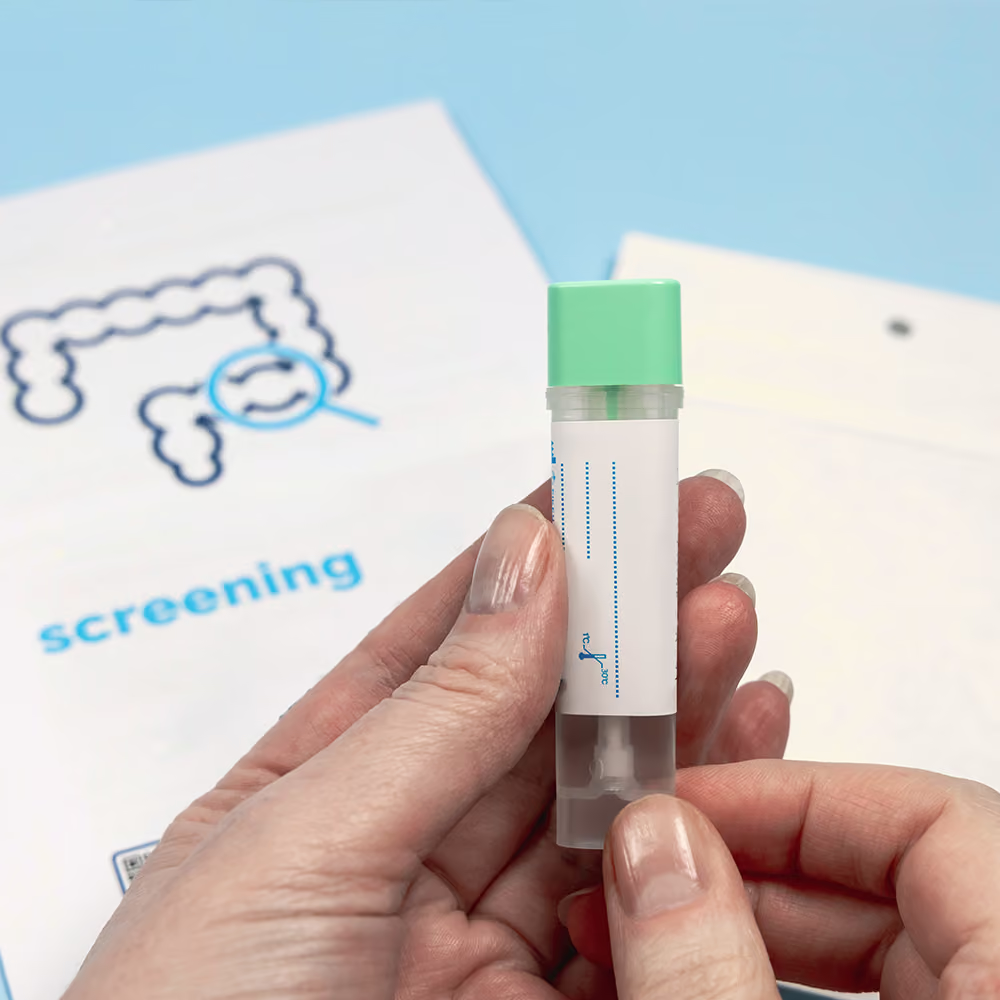


What is bowel cancer screening, and why does it matter?
Bowel cancer screening helps detect early signs before symptoms appear. In Australia, screening can identify hidden blood and early-stage bowel cancer, which is often successfully treated when found early. Regular testing is recommended to reduce risk and guide timely care.
When bowel cancer screening is recommended
Bowel cancer screening may be recommended as part of routine screening, to investigate symptoms or abnormal test results, or when you have an increased risk of bowel cancer.

Symptoms that may need screening
Screening or further investigation may be recommended if you have symptoms that could indicate bowel cancer, polyps or another bowel condition.
- Blood in your stool or unexplained rectal bleeding.
- Ongoing changes in bowel habits or unexplained abdominal symptoms.
- Unexplained weight loss, fatigue or iron deficiency anaemia.

Risk factors that increase your need
Some people may need earlier or more frequent bowel screening based on their personal and family history.
- Family history of bowel cancer or bowel polyps.
- Previous polyps, bowel cancer or other relevant bowel conditions.
- Age and other individual risk factors that may increase bowel cancer risk.

Routine screening under the national program
The National Bowel Cancer Screening Program sends a free test kit every two years to Australians aged 45 to 74. The test is done at home and checks for traces of blood.
- Free bowel screening test kit mailed to eligible people.
- An immunochemical faecal occult blood test (FIT) is used.
- A positive test result may require further investigation with a colonoscopy.

When to speak with a doctor
Even with a normal result, ongoing symptoms or risk factors should be discussed with your doctor. Early-stage bowel cancer is more likely to be successfully treated.
- Discuss a positive FIT or FOBT result with your doctor.
- Seek advice if you have a family history of bowel cancer or polyps.
- Ask whether earlier or more frequent screening is appropriate for your individual risk.
What bowel cancer screening can detect
The bowel screening test detects hidden blood, which may indicate bowel cancer or inflammation. It does not diagnose all conditions, but helps identify when further investigation is needed.

How bowel cancer screening works at our clinic
At our clinic, bowel cancer screening includes consultation, assessment and follow-up. We review your risk and guide appropriate testing, including screening or colonoscopy if needed.
Book and prepare for your appointment
Bring your referral, results and medical history so we can assess your risk and plan testing.
Assessment and screening plan
Your specialist reviews symptoms, history and risk to recommend screening or further testing.
Testing and follow-up care
We arrange testing, such as screening or colonoscopy, and explain results with clear next steps.
What to expect from your bowel cancer screening
Your visit focuses on understanding your risk, explaining screening options and giving you clear answers. We take time to ensure you feel informed and supported.
Before procedure
Before procedure
Preparation depends on your test. For consultations, fasting is not required. If a colonoscopy is planned, you’ll receive instructions on diet, hydration and bowel prep beforehand.
During consultation

During consultation
Your specialist will assess your symptoms and risk, then recommend appropriate screening or further testing based on your individual needs.
During screening or procedure

During screening or procedure
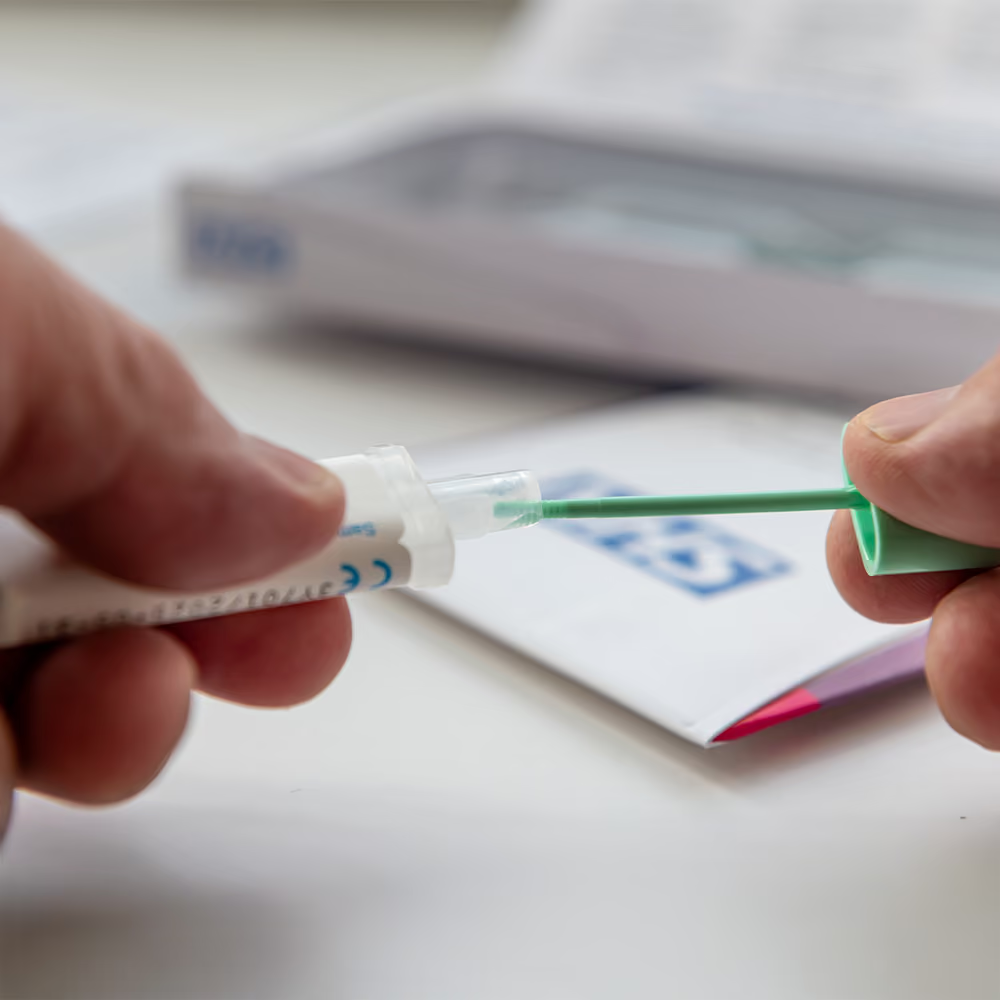
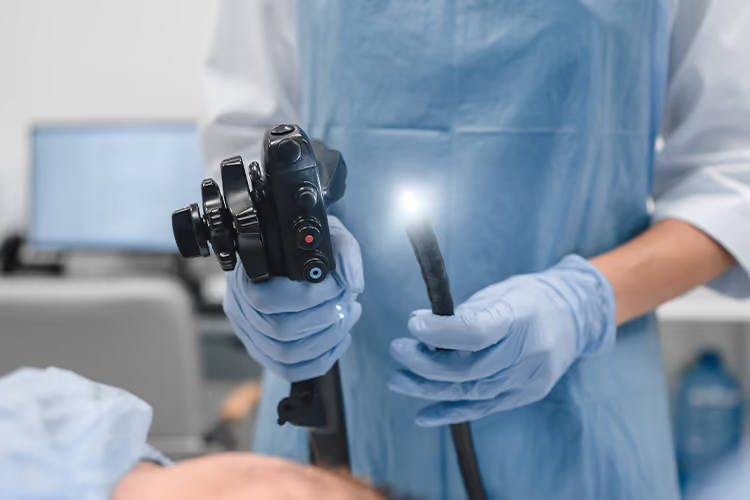
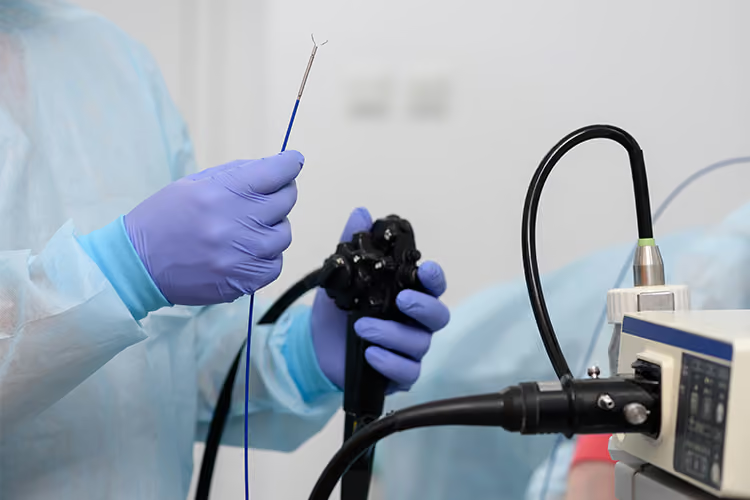
Screening tests are simple and may be done at home. A colonoscopy is performed under sedation to examine the bowel and identify any abnormalities.
After your procedure

After your procedure
After a colonoscopy, you may need time to recover from sedation. Most people return to normal activities within a day with minimal discomfort.
Recovery and follow-up

Recovery and follow-up
We provide guidance on recovery, results and next steps, including follow-up care or ongoing screening based on your risk and findings.
Understanding your results

Understanding your results
We explain your results clearly so you understand what they mean and whether further investigation is required.
Before procedure
Preparation depends on your test. For consultations, fasting is not required. If a colonoscopy is planned, you’ll receive instructions on diet, hydration and bowel prep beforehand.
Procedure preparation
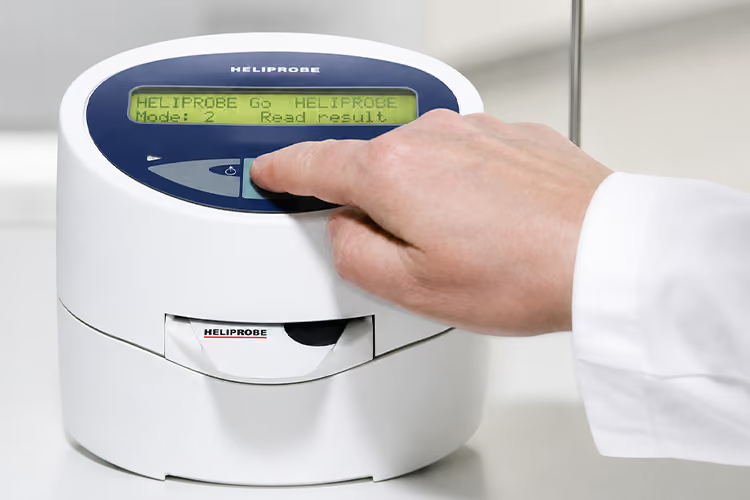
This screening uses a faecal occult blood test (FOBT) to detect hidden blood. Results help guide whether further investigation, such as a colonoscopy, is needed.
Benefits of bowel cancer screening
Screening helps detect bowel cancer early, often before symptoms appear. Early detection improves treatment outcomes and guides timely follow-up care.

Detects cancer at an early stage
Screening can identify early signs of bowel cancer, when treatment is more effective, and outcomes are significantly improved.

Simple and non-invasive testing
The screening test is quick and non-invasive, making it easy for eligible Australians to check for early signs of disease.

Supports timely diagnosis and care
Positive results can be followed by a colonoscopy to confirm the diagnosis and guide appropriate management of colorectal cancer.

Backed by national guidelines
Australian clinical practice guidelines recommend screening every 2 years for eligible people aged 45 to 74.
Risks and safety of bowel screening test
Bowel cancer screening is safe and widely recommended in Australia. Understanding the risks and benefits helps you make informed decisions about your care.
Potential risks and limitations
Screening is low risk, but results are not always definitive. Some conditions may not be detected, and further testing may be required.
- False positives may occur, leading to further testing
- False negatives can miss early signs of the disease
- Colonoscopy carries small risks, such as bleeding or reaction to sedation
Safety and clinical guidelines
Screening is supported by Australian clinical practice guidelines and recommended for people aged 45 to 74. It is considered a safe and effective way to detect early signs of bowel cancer.
- FOBT is non-invasive and safe to complete at home
- Colonoscopy is performed by trained specialists in a controlled setting
- Early detection improves outcomes and supports safer management
Don’t delay your bowel cancer screening
Early detection matters. Book your screening appointment today and take control of your bowel health with support from our specialists.
Why choose our clinic
We provide specialist-led bowel cancer screening alongside other services, with a focus on clear answers, fast access, and ongoing support throughout your care.


Specialist-led care you can trust
Our experienced gastroenterologists deliver screening, diagnosis and follow-up care with a strong focus on accuracy and patient understanding.

Focus on patient clarity
We prioritise clear explanations, so you understand your results and feel confident about your care.

Fast access to testing
We minimise delays by providing timely appointments, testing and results to support early detection and treatment.

End-to-end patient support
From screening to colonoscopy and follow-up care, we guide you through each stage with clear communication and ongoing support.
Recognised clinical accreditations
Our team is accredited by respected Australian medical organisations, reflecting our commitment to clinical excellence and patient safety.





Real experiences from our patients
We’re trusted by patients across Melbourne for clear answers, efficient care and ongoing support.
Our affiliations and memberships
We maintain strong links with recognised Australian institutions to support evidence-based care and clinical best practice.
Experienced gastroenterology team
Our experienced team provides specialist-led care with clear communication, helping you understand your results and next steps.




Doctor referrals
A referral from your GP or specialist is required for consultation and to access Medicare rebates for your bowel cancer screening.
Related services and procedures
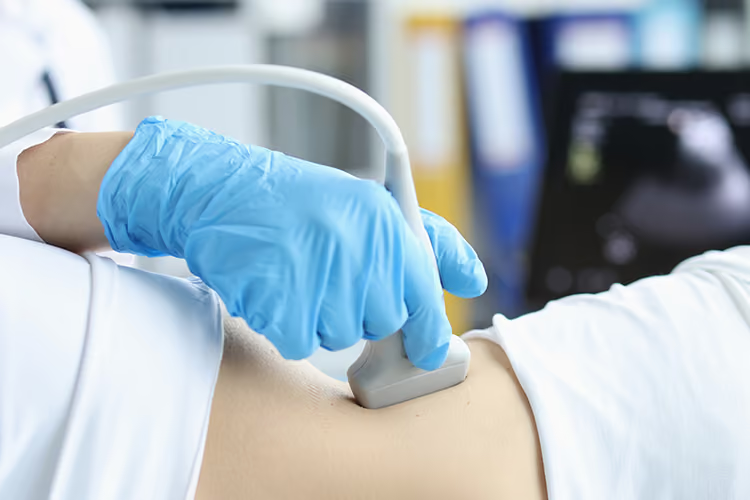
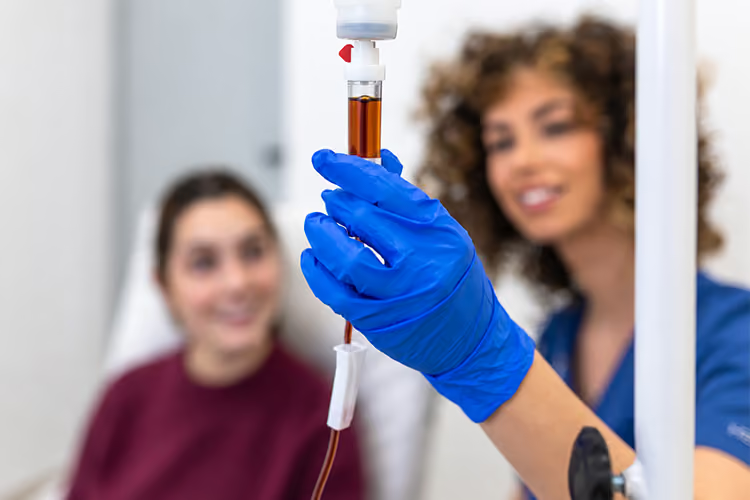
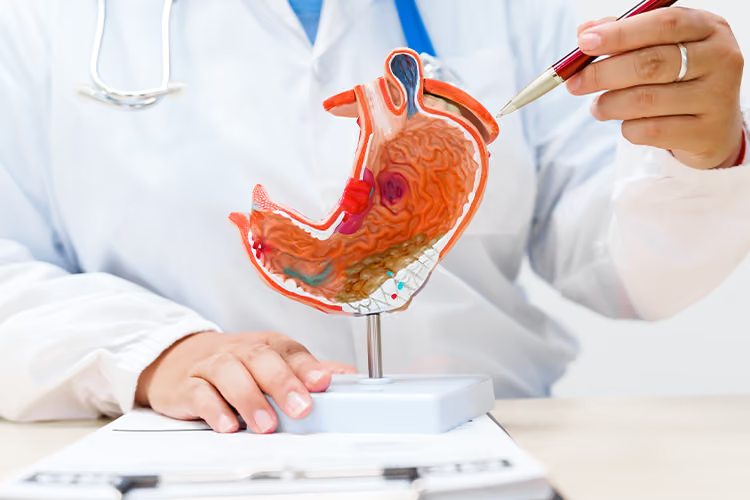
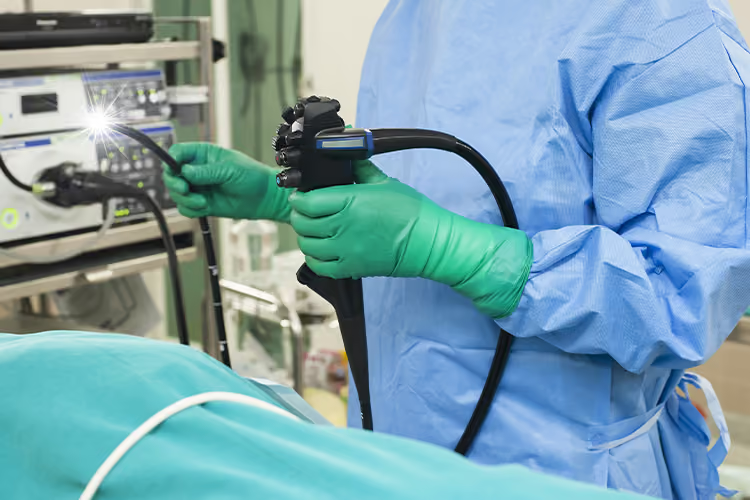
We provide a range of diagnostic services to support bowel cancer screening, including further testing and specialist-led investigations.


FAQs
Find answers to common questions about bowel cancer screening, eligibility, test kits and when to speak with a doctor.
What is the National Bowel Cancer Screening Program?
The National Bowel Cancer Screening Program is an Australian Government initiative that provides free screening to eligible people aged 45 to 74. A bowel screening test kit is mailed to your home every 2 years. The program aims to detect early signs of bowel cancer by identifying hidden blood before symptoms appear.
When should I see a specialist about bowel cancer screening?
You should book an appointment if you have symptoms such as rectal bleeding, ongoing bowel habit changes, unexplained weight loss, abdominal pain or iron deficiency anaemia. Specialist assessment is also recommended if you have a family history of bowel cancer or other risk factors.
What happens during my bowel cancer screening consultation?
During your consultation, your specialist will review your medical history, symptoms, family history and previous test results. Based on your risk profile, we may recommend screening tests, further investigations or a colonoscopy to assess your bowel health more thoroughly.
Will I need a colonoscopy after screening?
Not everyone requires a colonoscopy. However, if screening results are abnormal, symptoms are concerning, or you have a higher risk of bowel cancer, your specialist may recommend a colonoscopy for further investigation and diagnosis.
What if my screening results are positive?
A positive result does not necessarily mean you have bowel cancer. It means further investigation is recommended to identify the cause of bleeding or abnormal findings. Our specialists will explain your results clearly and guide you through the next steps, including arranging a colonoscopy if needed.
Who is considered higher risk for bowel cancer?
You may be considered higher risk if you have a family history of bowel cancer, inflammatory bowel disease, a history of bowel polyps, or certain inherited conditions linked to colorectal cancer. Our specialists can assess your individual risk and recommend appropriate screening intervals.
Latest articles and insights
Explore helpful articles on bowel health, screening and digestive conditions to stay informed and support your care.
Contact us
If you have concerns about your bowel health or screening, our team is here to help. Get in touch to book an appointment or speak with our staff about your next steps.

Phone Consults: 8:00am - 6:00pm