


Vitamin D injection treatment in Melbourne
If you have low vitamin D levels, a vitamin D injection may be recommended to restore low levels when supplements are unsuitable. Our specialist-led clinic provides treatment, monitoring and patient-focused care.
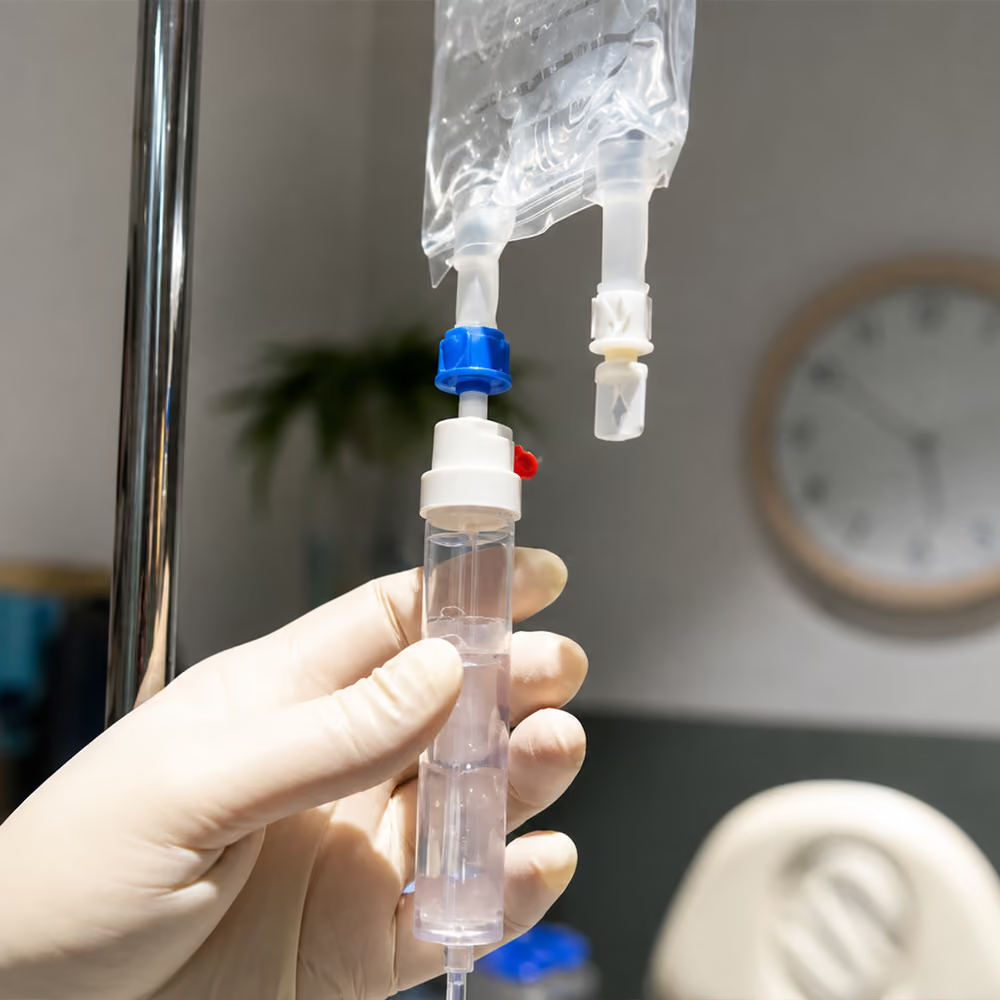


What is a vitamin D injection?
Vitamin D injections provide a measured dose to help treat deficiency and support healthy vitamin D levels. They may be recommended for people with absorption issues, low vitamin D levels or an inadequate response to oral supplements. Your healthcare provider will determine whether this treatment is appropriate for your needs.
When vitamin D injections may be recommended
Vitamin D injections may be recommended for people with confirmed vitamin D deficiency, risk factors for low vitamin D levels or conditions that affect vitamin D absorption.

Symptoms of vitamin D deficiency
Vitamin D supports normal bone and muscle health and plays an important role in overall well-being. Low levels may cause few or no obvious symptoms.
- Persistent tiredness, fatigue or low energy levels.
- Muscle weakness, aches or reduced physical performance.
- Bone discomfort or increased risk of poor bone health.

Risk factors for low vitamin D
Certain factors can increase the likelihood of developing vitamin D deficiency. Understanding these risks may help determine whether assessment or treatment is appropriate.
- Limited sun exposure due to indoor lifestyles, clothing or regular SPF use.
- Darker skin pigmentation, which can reduce vitamin D production from sunlight.
- Conditions affecting nutrient absorption or other factors that increase deficiency risk.

Monitoring and assessment
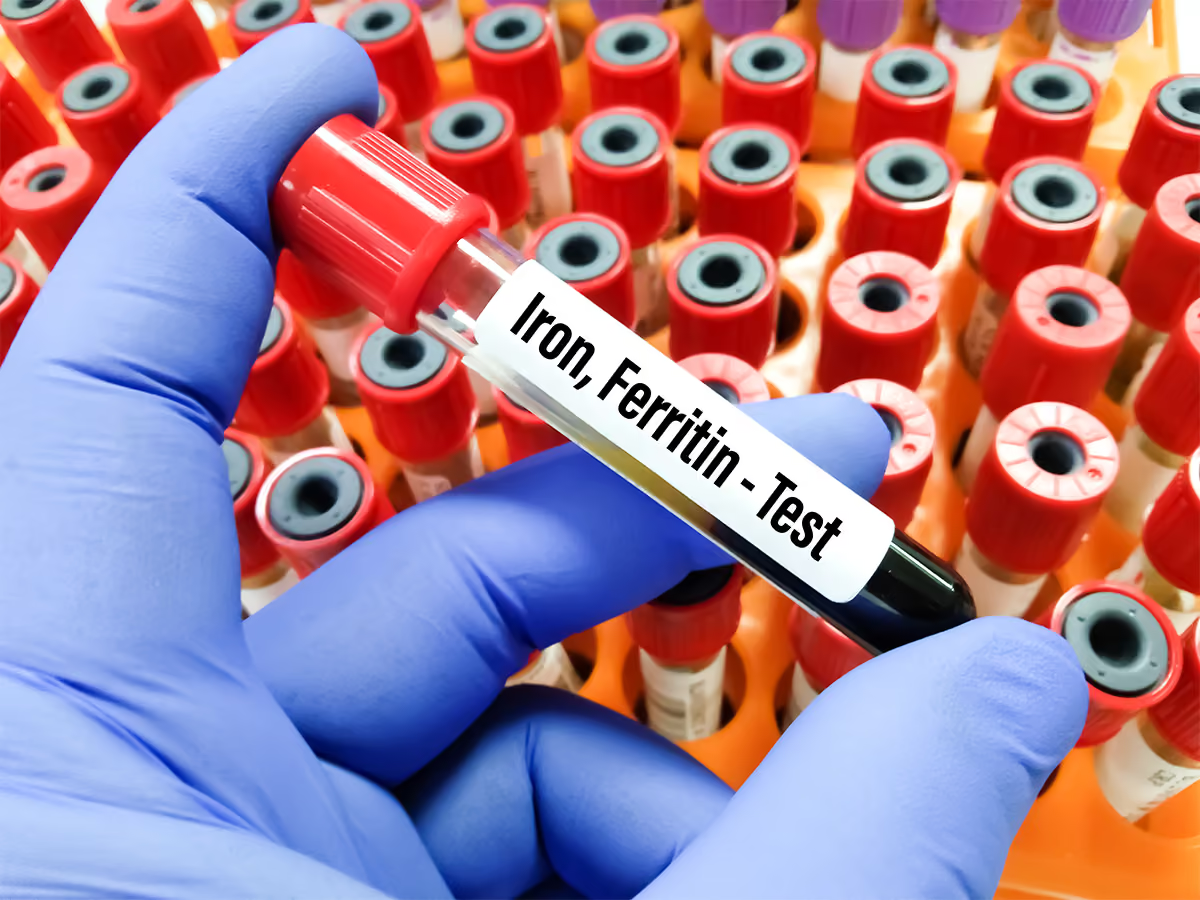
A blood test can confirm vitamin D deficiency and help determine whether supplementation or an injection may be appropriate.
- Levels are assessed through a blood test, with the clinic considering your individual result and health needs.
- The clinic may aim for levels above 100 nmol/L when determining treatment goals.
- Repeat blood testing at around six months can help assess your response to treatment.

When to seek medical advice
If you are concerned about vitamin D deficiency or have risk factors for low vitamin D levels, a healthcare professional can assess your symptoms and treatment options.
- Tablets may be suitable for longer-term supplementation when gut absorption is effective.
- Vitamin D sprays are available but generally require regular use and may take time to increase levels.
- An injection delivers vitamin D directly into the muscle, bypassing gut absorption and providing a longer-lasting treatment option.
Conditions linked to vitamin D deficiency
Vitamin D deficiency is more common in people with conditions that affect nutrient absorption, liver function or metabolic health. Identifying and managing these underlying conditions can help support long-term treatment outcomes.

How vitamin D injections work
Vitamin D injections deliver vitamin D directly into the muscle, where it is gradually absorbed into the bloodstream. This can help restore vitamin D levels and support long-term maintenance when clinically appropriate.
Direct delivery
The injection delivers vitamin D directly into muscle tissue, bypassing the digestive system.
Gradual absorption
Vitamin D is released over time and absorbed into the bloodstream for use throughout the body.
Supports healthy levels
Treatment helps replenish low vitamin D levels and support normal vitamin D-related functions.
What to expect from treatment
Vitamin D injections are administered by a qualified healthcare professional in a clinical setting. Your treatment plan will be based on your vitamin D levels, medical history and individual health needs.
Before procedure

Before procedure
Your healthcare provider may review your symptoms, medical history and recent blood test results before treatment.
During procedure

During procedure
The injection is administered into a muscle and usually takes only a few minutes to complete.
After procedure

After procedure
Most people can return to their usual activities shortly after receiving a vitamin D injection.
Recovery and aftercare

Recovery and aftercare
Your healthcare provider may recommend follow-up monitoring or testing to assess your vitamin D levels.
Results and monitoring

Results and monitoring
The timing of follow-up testing varies depending on your individual circumstances and treatment goals.
Ongoing vitamin D management

Ongoing vitamin D management
Some patients may require ongoing monitoring or additional treatment to maintain healthy vitamin D levels.

Before procedure
Your healthcare provider may review your symptoms, medical history and recent blood test results before treatment.
Benefits of vitamin D injections
Vitamin D injections may help restore low vitamin D levels when oral supplements are unsuitable or ineffective.

Supports healthy vitamin D levels
Vitamin D injections deliver a measured dose of vitamin D to help restore and maintain optimal levels in people with a deficiency.

Alternative to oral supplements
For some patients, intramuscularly administered vitamin D may be a suitable alternative when oral supplements are ineffective or unsuitable.

Helps manage severe deficiency
Vitamin D injections may be recommended when severe deficiency requires a higher-dose treatment approach determined by a healthcare professional.

Supports bone and muscle health
Vitamin D is essential for bone health and muscle health and plays an important role in maintaining overall health.
Risks and safety of vitamin D injections
Vitamin D injections are generally safe when prescribed and administered by a qualified healthcare professional.
Potential risks
Like any injection therapy, vitamin D injections can cause side effects, although most are mild and temporary. Your healthcare provider will explain possible risks during your consultation and answer any questions before treatment.
- Mild discomfort, redness or tenderness at the injection site.
- Temporary bruising may occur following treatment.
- Rare side effects will be discussed before the procedure.
Safety and monitoring
Vitamin D injections are administered by trained healthcare professionals following clinical assessment. Current vitamin D levels, medical history and treatment goals help determine whether treatment is appropriate.
- Treatment recommendations are based on your individual needs.
- Monitoring may help maintain optimal vitamin D levels.
- Follow-up care supports safe and effective treatment outcomes.
Book your vitamin D injection consultation
Our healthcare professionals can assess your vitamin D levels, explain your options and help determine the most appropriate treatment plan.

Why patients choose Moonee Valley Specialist Centre
We combine specialist expertise with personalised care to help patients understand their health, access treatment efficiently and feel supported throughout their care journey.


Established Melbourne clinic
Operating since 2011, we have supported thousands of patients across Melbourne with specialist consultations, diagnostic services and treatment.
Integrated specialist care
Access consultations, treatment and ongoing management through a clinic focused on digestive, liver and nutritional health.
Experienced nursing team
Our qualified nurses administer treatments and provide patient education, monitoring and support throughout your care.

Care beyond the injection
We focus on identifying contributing factors and helping patients manage their health beyond a single treatment.
Professional accreditations and memberships
Our team maintains affiliations with recognised Australian medical organisations, reflecting our commitment to professional standards, ongoing education and patient care.





Trusted by Melbourne patients
Patient feedback reflects our commitment to clear communication, personalised care and supporting people through every stage of their healthcare journey.
Professional affiliations and industry memberships
Our team maintains connections with respected medical organisations and healthcare networks, supporting ongoing professional development and evidence-based patient care.
Ready to book your vitamin D injection?
Take the next step towards managing vitamin D deficiency. Book an appointment with our Melbourne team for assessment, treatment and ongoing support.
Meet the team behind your care
Our specialists and nursing team work together to provide assessment, treatment and ongoing support, helping patients feel informed and confident throughout their care.




Doctor referral
We welcome referrals from GPs and healthcare professionals. Our team works closely with referring practitioners to support timely assessment, treatment and ongoing patient care.
Related health services
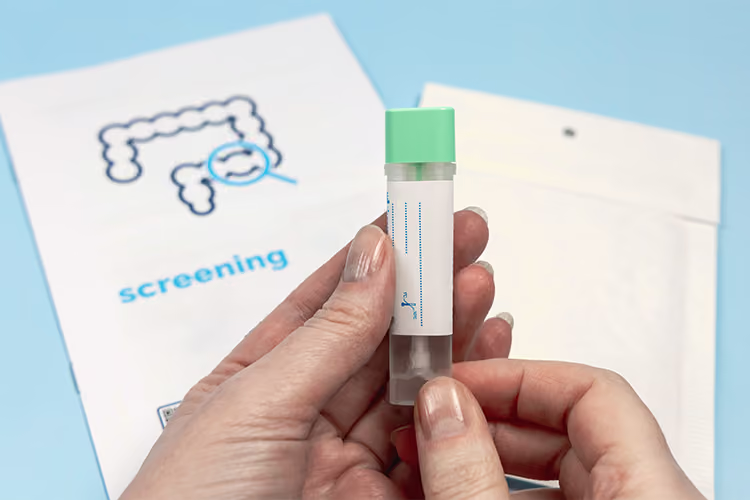
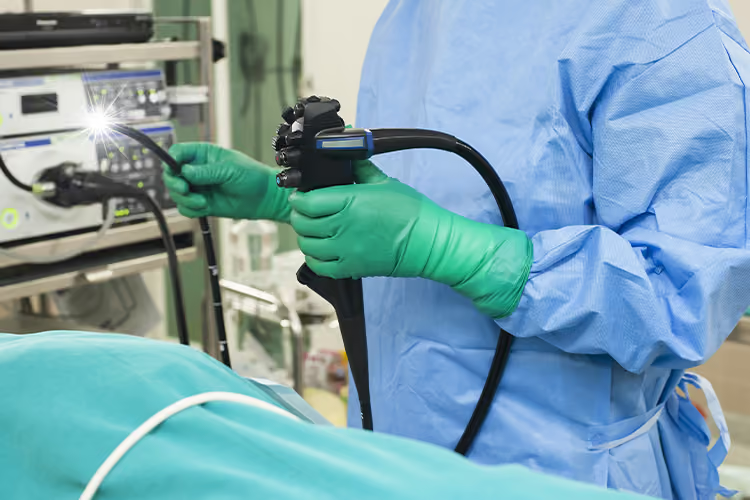
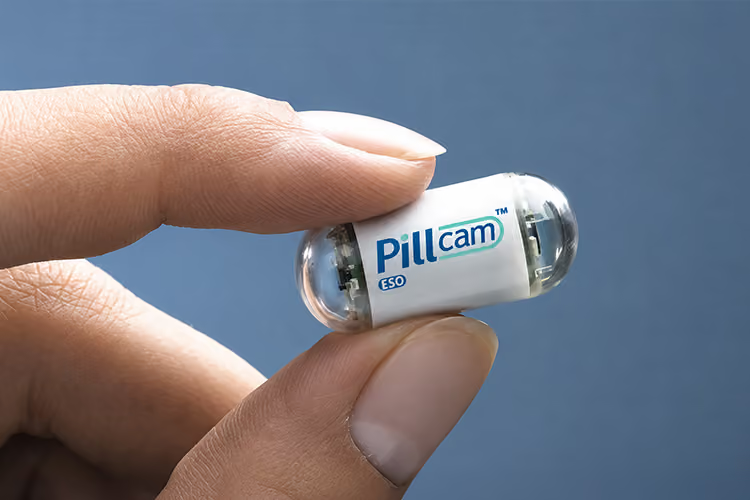
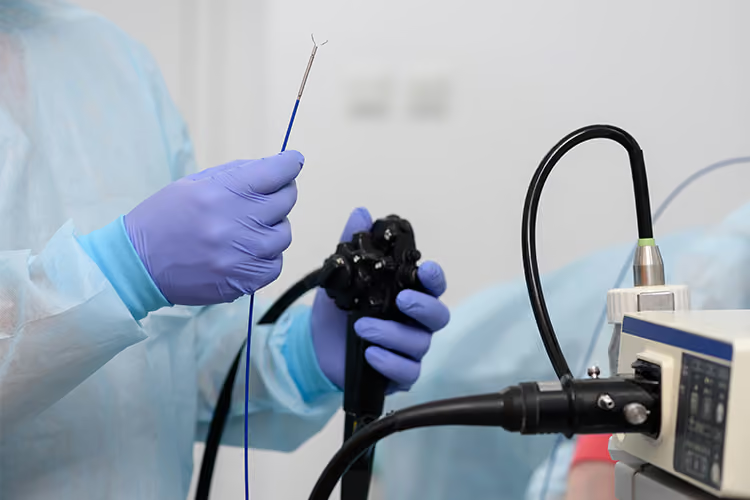
Explore our range of specialist services, from vitamin therapy and deficiency treatment to digestive health assessment, screening and endoscopy procedures.






Frequently asked questions
Find answers to common questions about vitamin D injections, treatment suitability, frequency and ongoing care.
How long does a vitamin D injection last?
How long a vitamin D injection lasts depends on your current vitamin D levels, the dose administered and your individual health needs. Some people maintain adequate levels for several months after treatment, while others may require ongoing monitoring or additional treatment. Your healthcare provider can advise on the most appropriate follow-up plan based on your results.
How often should you get a vitamin D injection?
The frequency of vitamin D injections depends on the severity of your deficiency, your response to treatment and your ongoing vitamin D levels. Some people may only require occasional treatment to boost levels, while others benefit from regular monitoring and repeat injections. Follow-up blood tests help determine whether additional treatment is needed.
Does a vitamin D shot make you sleepy?
Vitamin D injections do not typically cause sleepiness, and most people can return to their usual activities after treatment. When prescribed appropriately and administered under medical supervision, vitamin D injections are generally safe. In rare cases, excessive vitamin D intake over time can lead to elevated vitamin D levels and related health complications. Your healthcare provider will determine the appropriate dose and monitoring requirements based on your individual needs.
Should I take vitamin D in the morning or at night?
There is no universal best time to take vitamin D. Whether you take vitamin D in the morning or at night is generally a matter of personal preference and your healthcare provider's recommendations. If you receive a vitamin D injection, your treatment schedule will be determined by your individual care plan rather than the time of day.
Can I get enough vitamin D from sunlight alone?
Sunlight helps the body produce vitamin D, but some people may still develop a deficiency due to limited sun exposure, certain medical conditions or absorption issues. If you are unable to get enough vitamin D through sunlight, diet or supplements, your healthcare provider may discuss alternative treatment options.
What are the benefits of vitamin D?
Vitamin D is essential for maintaining healthy bones and muscle function. It also supports normal immune system function and contributes to overall health. For people with vitamin D deficiency, treatment may help restore healthy vitamin D levels and support these important functions.
Latest health articles and insights
Read expert information, practical guidance and patient resources from our specialist healthcare team.


Speak with our healthcare team
Whether you are seeking treatment, follow-up care or general information, our team is here to help guide you through the next steps and answer questions about appointments and referrals.

Phone Consults: 8:00am - 6:00pm