


Key Takeaways
- Ferritin is the body's primary iron storage protein, and low ferritin is often the earliest sign of iron deficiency.
- Iron is essential for oxygen transport, energy production, cognitive function, and overall wellbeing.
- Iron deficiency can occur with or without anaemia and may cause symptoms such as fatigue, brain fog, headaches, and restless legs.
- Ferritin levels can be affected by inflammation, infection, and chronic disease, making interpretation more complex.
- Treatment of iron deficiency may involve dietary changes, iron supplements, or intravenous iron, depending on the cause and severity.
Iron deficiency and ferritin levels are closely linked because ferritin reflects the amount of iron stored in your body. When iron stores become depleted, ferritin levels usually fall before other blood markers change. This makes ferritin one of the most useful tests for identifying early iron deficiency.
Many people assume iron deficiency only becomes a problem once anaemia develops. However, symptoms can occur long before haemoglobin (Hb) levels drop below the normal range. Understanding the relationship between iron deficiency and ferritin can help you recognise potential issues earlier and seek appropriate assessment and treatment.
Iron deficiency and ferritin levels
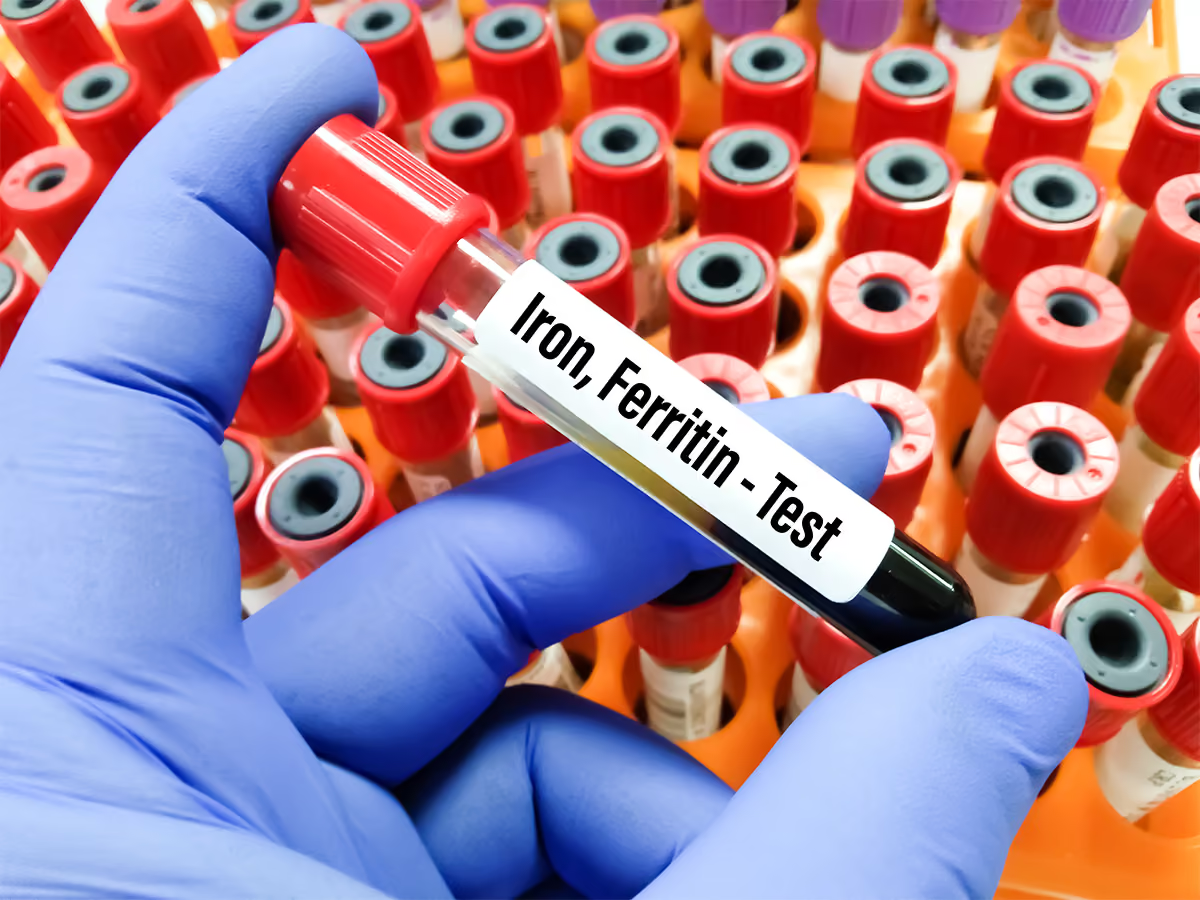
Ferritin is a protein that stores iron in tissues throughout the body, particularly in the liver, spleen, and bone marrow. Because ferritin reflects your body's iron reserves, healthcare professionals commonly use ferritin testing to assess iron storage status.
When iron intake, absorption, or retention cannot meet the body's needs, iron stores gradually decline. As a result, ferritin levels decrease. In many cases, low ferritin levels precede abnormalities in haemoglobin or red blood cell measurements, making it an important early indicator of deficiency.
What's the difference between iron and ferritin?
There are different ways your body uses and stores iron.
Serum iron refers to the iron currently circulating in your bloodstream. This iron is used to produce haemoglobin, which transports oxygen throughout the body. However, serum iron levels can fluctuate throughout the day and do not always reflect your overall iron stores.
Ferritin is a protein that stores excess iron for future use. It acts like the body's iron reserve, helping maintain stable iron levels during periods of lower dietary intake or increased demand.
Blood tests can assess both serum iron and ferritin levels:
- A serum iron test measures circulating iron
- A ferritin test measures stored iron
Both tests are important when diagnosing iron deficiency. The diagnosis of iron deficiency may also involve assessing transferrin saturation, haemoglobin levels, and MCV and MCH results on a full blood count.
Low serum iron may indicate iron deficiency anaemia (IDA), where iron levels are too low to support healthy red blood cell production. However, some people have normal haemoglobin and serum iron levels but low ferritin stores. This is known as non-anaemic iron deficiency.
Although the terms are often used interchangeably, iron and ferritin are not the same thing.
What is iron, and why do you need it?
Iron is an essential mineral required for many biological processes. Its most important role is helping haemoglobin transport oxygen from the lungs to tissues throughout the body.
Your body cannot produce iron on its own; it must be obtained through dietary intake. Eating iron-rich foods is important for maintaining healthy iron stores and preventing iron deficiency. Adequate iron intake helps replenish iron stores and supports healthy haemoglobin production throughout different life stages.
Iron requirements vary depending on age, gender and overall health. Women of reproductive age often have higher iron needs due to menstruation, pregnancy and breastfeeding. People with gastrointestinal conditions, inflammatory bowel disease, or malabsorption conditions such as coeliac disease may also be at increased risk of low iron and low ferritin levels.
What causes iron deficiency?
Iron deficiency occurs when the body's iron requirements exceed the amount being absorbed or retained.
Common causes include:
- Heavy menstrual bleeding
- Gastrointestinal bleeding
- Pregnancy and breastfeeding
- Poor dietary iron intake
- Coeliac disease
- Inflammatory bowel disease
- Previous gastric surgery
- Conditions that impair nutrient absorption
Some people develop iron deficiency due to multiple contributing factors. Identifying the underlying cause is an important part of treatment, particularly when the deficiency is recurrent or severe.
Iron deficiency symptoms
Iron deficiency symptoms can develop gradually and may occur even without anaemia. Some people have low ferritin levels despite having normal haemoglobin or serum iron levels.
- Common symptoms of non-anaemic iron deficiency include:
- Fatigue and low energy
- Reduced attention, concentration and productivity
- Poor memory
- Hair loss or brittle nails
- Pale or dry skin
- Slow wound healing
- Restless leg syndrome
- Shortness of breath during activity
Sometimes, people are told their iron levels are "normal" based on serum iron alone. However, serum iron only measures the iron currently circulating in the bloodstream. Serum ferritin and iron studies provide a more complete picture of iron stores and overall iron status.
- Iron supplementation may still be recommended if you:
- Have symptoms of iron deficiency
- Have low ferritin levels
- Are otherwise healthy but continue experiencing fatigue or low energy
People whose ferritin levels do not improve after 2–3 months of oral iron supplementation may benefit from specialist assessment and treatment such as an iron infusion.
How do you know if your iron is low?
Symptoms alone cannot reliably confirm iron deficiency because many other health conditions can produce similar effects.
If iron deficiency is suspected, a healthcare professional will consider:
- Your symptoms
- Medical history
- Dietary habits
- Menstrual history
- Existing health conditions
- Blood test results
Laboratory testing is necessary to accurately assess iron status and determine whether iron stores have become depleted.
How is iron deficiency diagnosed?
Iron deficiency is diagnosed through a combination of clinical assessment and laboratory testing.
Tests commonly used include:
- Ferritin
- Full blood count (FBC)
- Haemoglobin
- Serum iron
- Transferrin saturation (TSAT)
- C-reactive protein (CRP) when inflammation is suspected
Ferritin is often the most useful marker because it directly reflects iron stores. However, results should always be interpreted alongside other blood tests and the patient's overall clinical picture.
Interpreting your ferritin levels in light of your overall health
Ferritin levels are commonly used to assess iron stores and diagnose iron deficiency. However, ferritin is also known as an acute phase reactant, meaning levels may increase during inflammation, infection or chronic disease.
This means ferritin levels may appear normal or elevated in people with:
- Chronic kidney disease
- Heart failure
- Liver disease
- Inflammatory conditions
- Acute illness or infection
Conditions such as anaemia of chronic disease, systemic inflammation or malignancy can make ferritin interpretation more complex. In these situations, specialists may use different ferritin thresholds and additional iron studies, such as transferrin saturation, to diagnose iron deficiency accurately.
What are normal iron and ferritin levels?
Normal iron and ferritin levels vary according to age, sex, laboratory methods, and individual health circumstances.
Rather than relying on a single number, healthcare professionals interpret results using laboratory reference ranges and the broader clinical context. What is considered adequate for one person may not be optimal for another, particularly when symptoms are present.
What does low ferritin but normal haemoglobin mean?
Low ferritin with normal haemoglobin often indicates early iron depletion.
At this stage, iron stores have been reduced, but there is still enough iron available to maintain normal haemoglobin production. This condition is sometimes referred to as non-anaemic iron deficiency.
Many people experience symptoms during this phase, even though they have not yet developed anaemia.
Can ferritin levels be misleading in inflammation?
Yes. Ferritin is an acute-phase reactant, meaning levels can rise during inflammation or illness regardless of iron status.
As a result, inflammation may mask underlying iron deficiency. Additional tests, such as transferrin saturation and inflammatory markers, may help provide a more accurate assessment when inflammation is suspected.
A gastroenterologist or haematologist may also investigate underlying causes of persistent low iron, including gastrointestinal bleeding, malabsorption or inflammatory bowel disease.
What is non-anaemic iron deficiency?
Non-anaemic iron deficiency occurs when iron stores are depleted, but haemoglobin levels remain within the normal range.
Although anaemia has not yet developed, symptoms can still occur and significantly affect quality of life.
People with non-anaemic iron deficiency may experience fatigue, reduced concentration, exercise intolerance, and other symptoms typically associated with iron deficiency. Early recognition allows treatment before progression to iron deficiency anaemia.
What should you do?
The most appropriate treatment depends on the underlying cause and severity of the deficiency.
Effective management aims to:
- Restore iron levels
- Replenish iron stores
- Relieve symptoms
- Address the underlying cause
- Prevent recurrence
Your healthcare professional can recommend a personalised treatment plan based on your symptoms, blood test results, and medical history.
Iron deficiency diet and foods to increase iron
Diet can play an important role in supporting healthy iron levels.
Iron-rich foods include:
- Red meat
- Poultry
- Seafood
- Liver
- Legumes
- Tofu
- Nuts and seeds
- Dark leafy greens
- Fortified cereals
Vitamin C can improve iron absorption when consumed alongside iron-rich foods. Examples include citrus fruits, berries, tomatoes, and capsicum.
Conversely, tea, coffee, and calcium-rich foods may reduce iron absorption when consumed at the same time as iron-containing meals.
Iron supplements and medical treatment options
Oral iron supplements are commonly prescribed to correct iron deficiency and rebuild iron stores.
Treatment duration varies depending on the severity of the deficiency and the individual's response. Some people may experience gastrointestinal side effects such as nausea, constipation, or stomach discomfort.
Regular monitoring helps ensure treatment is working effectively and allows adjustments when needed.
When is intravenous iron needed?
Intravenous (IV) iron may be recommended when:
- Iron deficiency is severe
- Oral supplements are ineffective
- Oral supplements cause significant side effects
- Iron absorption is impaired
- Rapid iron replacement is required
IV iron can restore iron stores more quickly than oral supplementation and may be appropriate in selected clinical situations.
What is an iron infusion?
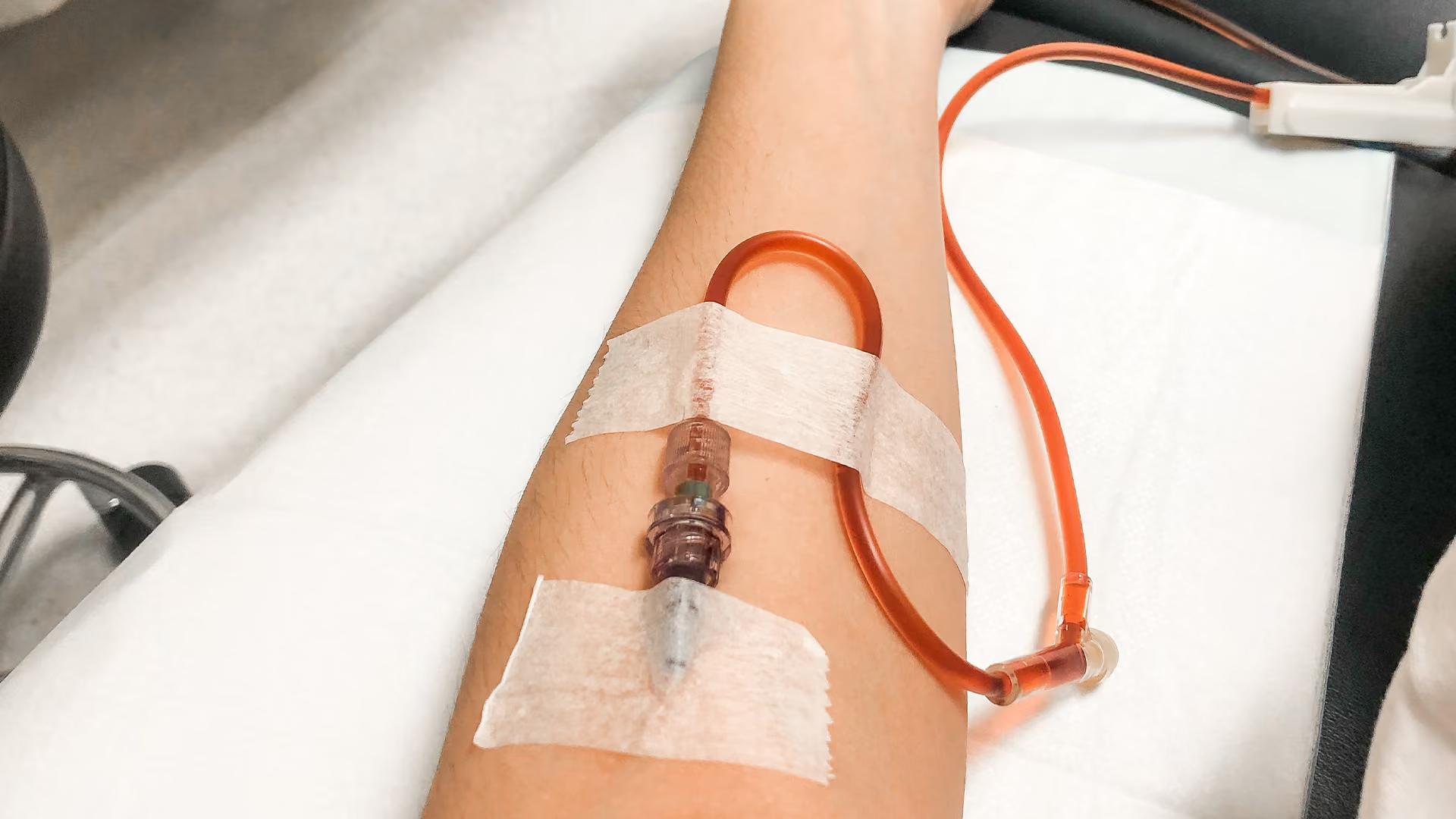
An iron infusion is a treatment for iron deficiency that delivers iron directly into the bloodstream through a vein. Also known as parenteral iron, it bypasses the digestive system and can restore iron levels more quickly than oral supplements.
The amount of iron, or dose, is tailored to your individual needs. Different iron preparations are available in Australian healthcare settings, and your doctor will recommend the most appropriate option.
Iron infusions are often considered when oral iron is ineffective, poorly tolerated, or when rapid treatment is needed. They may also be recommended for people with low transferrin saturation or conditions that affect iron absorption.
As part of a broader treatment plan, your healthcare provider may also recommend dietary and nutritional strategies to help maintain healthy iron levels.
When should you seek medical advice?
You should seek medical advice if you experience symptoms of iron deficiency, particularly if they are persistent, worsening, or affecting your daily life.
- Common reasons to speak with a healthcare professional include:
- Ongoing fatigue or low energy
- Shortness of breath
- Dizziness or light-headedness
- Frequent headaches
- Restless legs
- Hair loss
- Difficulty concentrating
Medical assessment is also important if blood tests show low ferritin, low transferrin saturation, or iron deficiency that does not improve with treatment. Identifying the underlying cause can help prevent the deficiency from recurring and ensure appropriate management.
Putting your safety first

Iron deficiency assessment and treatment should always be guided by qualified healthcare professionals. Accurate diagnosis requires consideration of symptoms, medical history and iron studies, including ferritin levels, serum iron and full blood count results.
At Moonee Valley Specialist Centre, patient safety and evidence-based care are prioritised throughout assessment and treatment.
Specialist assessment before treatment
Patients are assessed by experienced healthcare professionals before treatment recommendations are made. This helps identify the underlying cause of iron deficiency and ensures appropriate management.
Evidence-based iron studies
Iron deficiency is assessed using clinically recognised blood tests, including ferritin, serum iron and transferrin saturation. Additional investigations may be recommended where needed.
Monitoring during iron infusions
Careful patient preparation and assessment are completed before treatment begins. The clinic has performed thousands of iron infusions with a long-standing history of no staining incidents.
Sterile equipment
The clinic follows strict infection control measures, including the use of sterile equipment and established clinical practices designed to support safe treatment delivery and minimise risk associated with injection procedures.
FAQs about iron deficiency and ferritin levels
What ferritin levels are considered normal?
Ferritin levels help assess the amount of stored iron in the body. Low ferritin may indicate depleted iron stores, even when haemoglobin levels are normal. What is considered a normal ferritin level can vary depending on your symptoms, medical history and overall health. Doctors interpret ferritin results alongside other iron studies to determine whether further investigation or treatment may be needed.
Can you have an iron deficiency without anaemia?
Yes. Non-anaemic iron deficiency occurs when iron stores are low, but haemoglobin levels remain within the normal range. In some cases, additional tests such as soluble transferrin receptor measurements or further specialist investigations may be considered.
What causes low ferritin levels?
Low ferritin levels usually indicate depleted iron stores. This can develop gradually due to inadequate dietary intake, blood loss or conditions that reduce iron absorption.
Common causes include heavy menstrual bleeding, pregnancy, gastrointestinal bleeding, coeliac disease and inflammatory bowel disease. Some people may also develop low ferritin due to chronic illness or increased physical demands.
Rarely, additional investigations such as a bone marrow biopsy may be considered if the cause of iron deficiency remains unclear.
Are iron deficiency tests different for adults and children?
Yes. Iron studies and ferritin interpretation may differ in male vs female patients due to differences in iron requirements and blood loss.
Doctors also consider age, pregnancy, chronic illness and inflammation when assessing iron deficiency. Because ferritin levels can be affected by overall health, results are interpreted alongside symptoms, medical history and other blood test findings.
In Australia, guidance from organisations such as the World Health Organisation and National Blood Authority recognises that ferritin interpretation may vary for men, non-pregnant women, pregnant women, and preschool children.
How can we help?
At Moonee Valley Specialist Centre, we provide comprehensive assessment and treatment for iron deficiency and related conditions. Our team takes the time to understand your symptoms, review your iron studies, and identify potential underlying causes to support an accurate diagnosis.
Whether you have low ferritin, iron deficiency without anaemia, or ongoing symptoms despite treatment, we can help develop a personalised management plan based on your individual needs. From investigation and monitoring to iron supplementation and iron infusion therapy, our focus is on achieving the best possible treatment outcomes through evidence-based, patient-centred care.
Iron infusions at Moonee Valley Specialist Centre
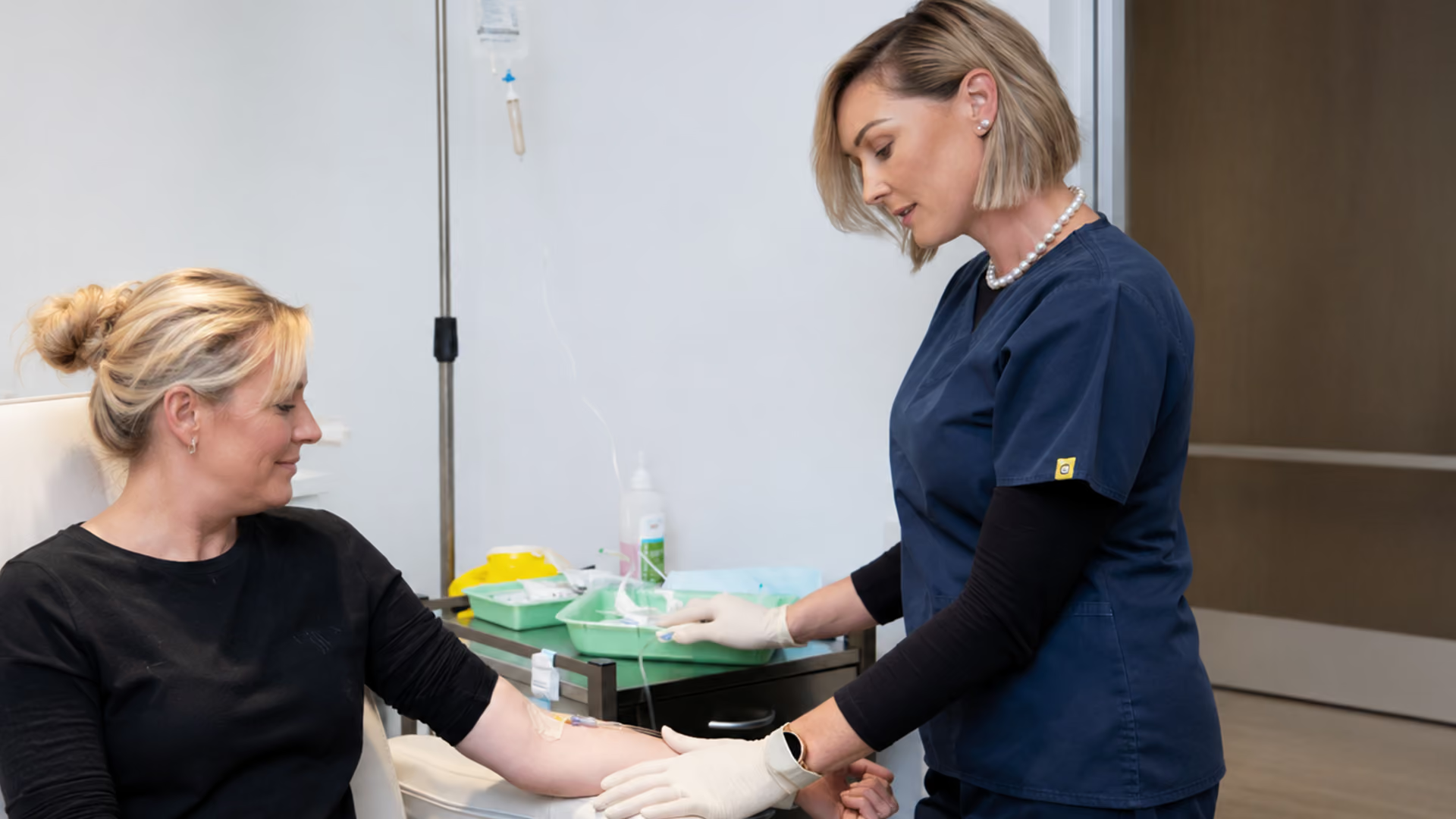
Looking for treatments in Melbourne? Our iron infusions deliver iron directly into the bloodstream, helping replenish iron stores more quickly.
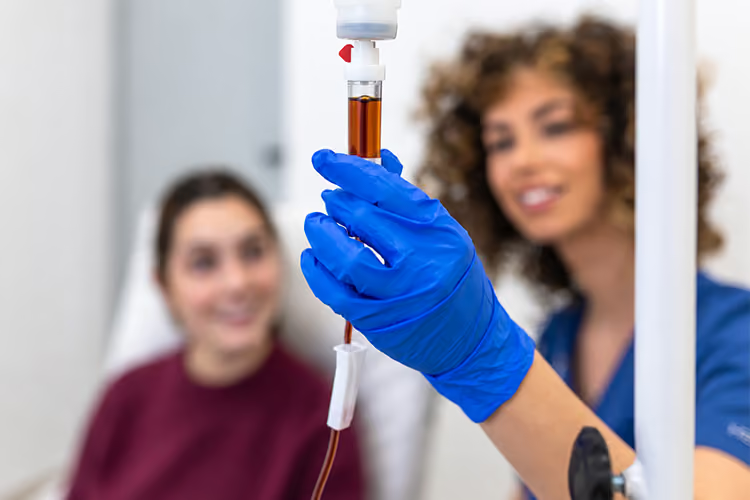
Fast and effective treatment for iron deficiency, delivered safely in a comfortable clinical setting by experienced staff.
Concerned about low iron or ferritin levels?
If fatigue, low ferritin or persistent symptoms are affecting your wellbeing, our experienced team can help guide your next steps.
Disclaimer
This article provides general guidance only and is not intended to replace individual medical advice. Any medical procedure carries risks. Please consult your doctor to determine whether an iron infusion is appropriate for your individual circumstances.
Related services
Explore iron infusion treatment and related care options at Moonee Valley Specialist Centre.
Fast and effective treatment for iron deficiency, delivered safely in a comfortable clinical setting by experienced staff.


Registered nurse and director focused on patient support, education and delivering a welcoming, family-oriented care experience.