



Key Takeaways
- Iron infusions can cause side effects including headaches, nausea, fatigue and flu-like symptoms.
- Some patients develop low phosphate levels after IV iron treatment, particularly with certain iron formulations.
- Most iron infusion side effects settle within a few days, but ongoing symptoms should be reviewed by a doctor.
- Patients with inflammatory bowel disease, low body weight or chronic conditions may have a higher risk of complications.
- Follow-up blood tests may help identify ongoing low phosphate or iron deficiency issues.
If you’re experiencing ongoing fatigue, low iron levels, or iron deficiency anaemia, your doctor may recommend an iron infusion to quickly restore your iron levels.
Iron infusions are generally considered safe and effective, but like any medical treatment, they can cause side effects. Some patients describe symptoms similar to those of the flu, including chills, fatigue, and muscle aches. In rare cases, IV iron infusions can affect phosphate levels and lead to ongoing symptoms.
Understanding potential side effects of iron infusions can help you feel better prepared and know when to seek medical advice.
What is an iron infusion?
An iron infusion is a treatment that delivers iron directly into the bloodstream through an intravenous (IV) drip. It is commonly used when iron deficiency cannot be corrected effectively with oral iron supplements or when patients need to restore iron levels more quickly.
By delivering iron directly into the bloodstream, an iron infusion helps the body rebuild iron stores and support healthy haemoglobin and red blood cell production. This can improve symptoms associated with low iron levels, including fatigue, dizziness, weakness, and shortness of breath.
Iron infusions are often recommended for patients with iron deficiency anaemia, poor iron absorption, ongoing blood loss or conditions affecting the digestive system.
Can iron infusions make you sick or tired?
Some people may feel temporarily tired or mildly unwell after an iron infusion. While most patients tolerate treatment well, mild side effects may occur as your body adjusts and begins replenishing its iron stores. These symptoms are usually short-lived and improve within a day or two.
An iron infusion delivers iron directly into your bloodstream through a vein. It's commonly recommended when iron levels can't be restored through diet or oral supplements alone, or when your body has difficulty absorbing iron. Although most people experience few or no side effects, it's helpful to know what to expect after treatment and when to seek medical advice.
Symptoms typically develop within the first 24 to 48 hours after treatment and usually settle without additional treatment. Depending on your clinic, you may also be observed for around 30 minutes after your infusion to monitor for any immediate reactions.
Why are iron infusions used?
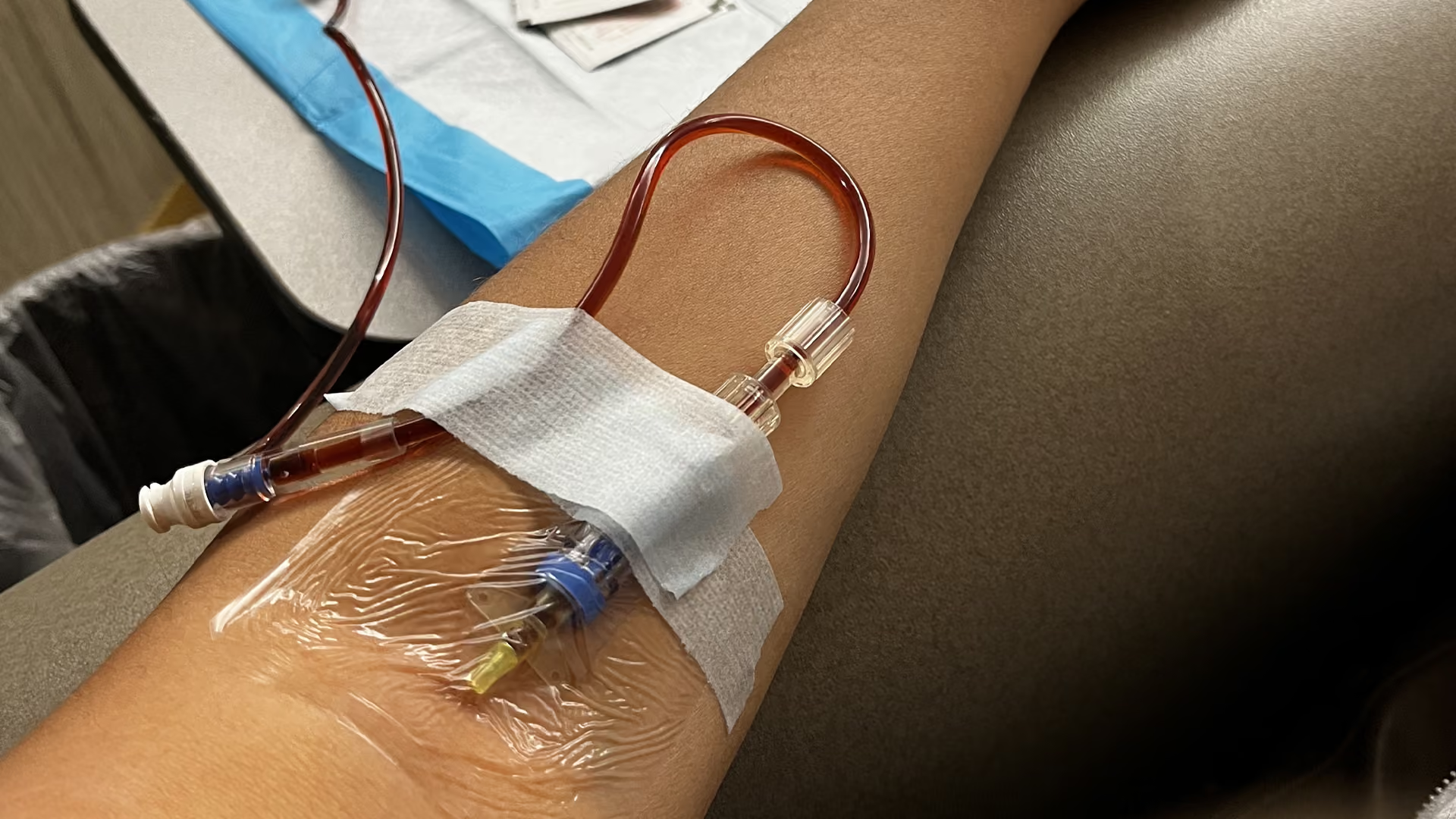
Iron infusions are used to treat iron deficiency and help restore low iron levels when the body cannot maintain adequate iron levels through diet or oral supplements alone. By delivering iron directly into the bloodstream, iron infusions allow the body to rebuild iron stores more efficiently.
Doctors may recommend an iron infusion for patients with iron deficiency anaemia, ongoing blood loss, poor iron absorption, inflammatory bowel disease, or chronic health conditions that affect iron levels. Iron infusions may also be considered during pregnancy when clinically appropriate, especially if iron deficiency is more severe or oral iron is not suitable.
They may also be used when oral iron supplements cause side effects, are not working effectively or when faster treatment is needed. This may include patients with extreme fatigue, weakness, dizziness, brain fog, or shortness of breath linked to low iron levels.
Your doctor may arrange follow-up tests after treatment to check whether your iron levels and haemoglobin have improved.
How iron works and how it makes you feel
Iron plays an essential role in helping the body produce healthy red blood cells and transport oxygen throughout the body. When iron levels become low, the body may struggle to deliver enough oxygen to muscles, organs and tissues, which can affect energy levels and overall wellbeing.
- 01
Iron supports healthy red blood cells
Iron is needed to produce haemoglobin, a protein found in red blood cells that carries oxygen through the bloodstream.
- 02
Oxygen is transported around the body
Healthy red blood cells help transport oxygen to muscles, organs and tissues so the body can function properly and maintain normal energy levels.
- 03
Low iron reduces oxygen delivery
When iron levels are low, the body may produce fewer healthy red blood cells. This can reduce oxygen transport and contribute to symptoms such as fatigue, weakness, dizziness and shortness of breath.
- 04
Iron infusions help restore iron stores
An iron infusion delivers iron directly into the bloodstream, helping the body rebuild iron stores more efficiently than oral supplements in some patients.
- 05
The body begins producing more healthy red blood cells
As iron stores improve, the body can produce more haemoglobin and healthy red blood cells to support oxygen delivery.
- 06
Symptoms gradually improve
Many patients begin noticing gradual improvements in energy, concentration and overall wellbeing as oxygen levels and iron stores recover over time.
What are the common side effects of iron infusions?
Most iron infusion side effects are mild and settle within a few days after treatment.
Some patients experience symptoms during the IV iron infusion itself, while others notice side effects later that day or during the following week. Unlike oral iron supplements, iron infusions are less likely to cause constipation or digestive discomfort.
Common side effects may include:
- Headache
- Nausea
- Dizziness
- Fatigue or lethargy
- Muscle or joint pain
- Fever or chills
- Metallic taste in the mouth
- Pain or swelling at the injection site
- Mild skin irritation
- Flu-like symptoms
These side effects are usually temporary and improve without ongoing treatment.
Mild side effects patients may experience after treatment
It is relatively common to feel slightly tired or run down after an iron infusion. Your body is adjusting to rapid changes in iron levels and beginning to produce healthy red blood cells more effectively.
Some patients may also experience:
- Mild chest discomfort
- Muscle aches
- Temporary weakness
- Feeling flushed or warm
- Difficulty sleeping that night
Most patients can return to normal daily activities within 24-48 hours.
Rare iron infusion side effects to watch out for
Serious complications from iron infusions are rare, but they can occur.
Rare side effects may include:
- Allergic reactions
- Breathing difficulties
- Significant swelling
- Severe chest pain
- Low blood pressure
- Severe skin reactions
If you develop difficulty breathing, chest pain or severe swelling after an IV iron infusion, seek urgent medical advice immediately.
Your doctor may pay closer attention to side effects if your iron deficiency is linked to ongoing bleeding, heavy periods or another medical condition affecting your iron levels.
Can you feel worse after an iron infusion?
Some patients may feel temporarily worse after an iron infusion before noticing improvements in their symptoms. Mild side effects such as fatigue, headache, nausea, dizziness or muscle aches can occur within the first 24 to 48 hours as the body adjusts to the treatment. An iron infusion may temporarily worsen symptoms while the body processes the iron delivered into the bloodstream and begins restoring iron stores.
These side effects are usually mild and improve within a few days without additional treatment. For many patients, improvements in energy, concentration and overall wellbeing develop gradually over the following days or weeks as haemoglobin and red blood cell production increase. Patients should seek medical advice if symptoms become severe or continue worsening after treatment.
How does an iron infusion affect phosphate levels?
Some iron infusions may temporarily lower phosphate levels in the body, a condition known as hypophosphataemia. Phosphate is an important mineral that supports energy production, muscle function, and bone health.
Certain iron infusion formulations may affect the body's phosphate regulation by increasing levels of the hormone fibroblast growth factor 23 (FGF23). This hormone helps control phosphate balance in the body. When FGF23 levels rise after an iron infusion, the kidneys may excrete more phosphate in the urine rather than reabsorbing it back into the bloodstream.
In most patients, phosphate levels return to normal without treatment. However, repeated iron infusions, pre-existing low phosphate levels, vitamin D deficiency or underlying medical conditions may increase the risk of developing more significant phosphate depletion after treatment. Your doctor may recommend monitoring phosphate levels if ongoing iron infusion therapy is required.
Ready to get started?
If you are experiencing iron deficiency symptoms or have been recommended for an iron infusion, Moonee Valley Specialist Centre can help.
Our experienced specialists provide personalised care, clear guidance and ongoing support throughout your treatment journey.
Symptoms of low phosphate after an iron infusion
Low phosphate levels after an iron infusion can cause symptoms such as fatigue, weakness, muscle pain and ongoing tiredness. Phosphate plays an important role in energy production, muscle function and bone health, so low levels can affect how the body functions after treatment.
Most cases are mild and temporary, but some patients may notice symptoms including:
- brain fog
- muscle weakness
- bone discomfort
- difficulty recovering energy levels
Patients experiencing persistent or worsening symptoms after an iron infusion should speak with their doctor, particularly if they have received multiple treatments or have underlying health conditions.
Managing the risk of low phosphate in iron infusion patients
Monitoring and follow-up care can help reduce the risk of hypophosphataemia after an iron infusion. While most patients do not develop significant phosphate problems, some people may be at higher risk depending on the type of iron infusion used, their medical history and whether they require repeated treatments.
Some patients may require additional monitoring after an iron infusion to reduce the risk of hypophosphatemia.
Your doctor may assess:
- phosphate levels
- vitamin D status
- nutritional deficiencies
- frequency of iron infusion treatments
- underlying gastrointestinal conditions
- ongoing symptoms after treatment
Patients receiving repeated iron infusions or those with pre-existing nutritional or absorption conditions may benefit from follow-up blood tests and ongoing clinical review.
What happens before, during, and after an iron infusion?
An iron infusion involves a carefully monitored clinical process designed to support patient safety, comfort and effective treatment. Understanding what happens before, during and after the procedure can help patients feel more prepared and confident about treatment.
- 01
Before an iron infusion
Before treatment, your doctor will review your iron levels, symptoms, medical history and any previous blood test results. Patients may also be assessed for conditions contributing to iron deficiency, including blood loss, poor iron absorption or underlying gastrointestinal conditions.
- 02
During an iron infusion
During the procedure, iron is delivered directly into the bloodstream through an intravenous (IV) drip. Patients are monitored throughout the infusion to help ensure the treatment is delivered safely and comfortably. The appointment length can vary depending on the type of iron infusion being administered.
- 03
After an iron infusion
After treatment, patients may remain in the clinic briefly for observation before returning home. Some people notice mild temporary side effects such as fatigue, headache or nausea within the first 24 to 48 hours, while improvements in energy and iron levels often develop gradually over the following days or weeks.
Follow-up blood tests or appointments may be recommended to monitor iron stores, haemoglobin levels and overall recovery after treatment.
Can you eat before an iron infusion?
Patients can usually eat before an iron infusion, and having a light meal beforehand may help improve infusion tolerance for some people. Eating before treatment can help reduce the likelihood of feeling lightheaded, nauseous or unwell during or after the infusion.
Patients are generally encouraged to stay hydrated and avoid arriving on an empty stomach unless their doctor has provided different instructions. If you have diabetes, gastrointestinal conditions, or specific dietary requirements, your healthcare provider may provide you with personalised advice before your appointment.

Iron infusion treatment at Moonee Valley Specialist Centre
At Moonee Valley Specialist Centre, iron infusion appointments are available six days a week, supporting timely treatment for patients who need IV iron.
Iron infusion treatment
An iron infusion delivers iron directly into your bloodstream via an IV drip, restoring iron levels under monitored treatment.
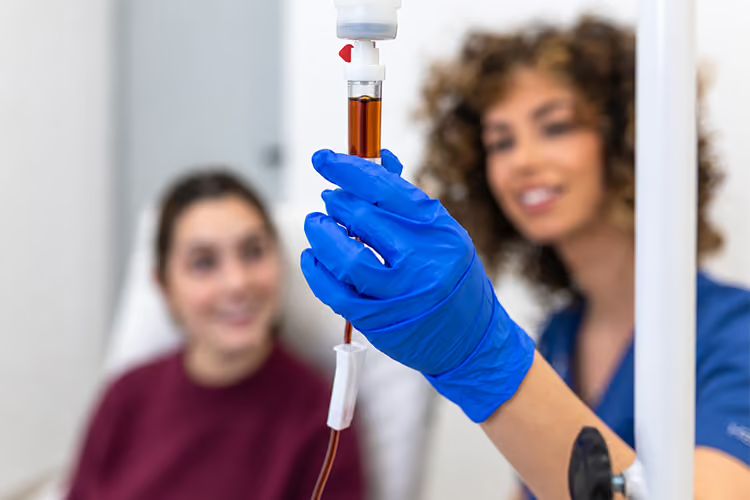
Fast and effective treatment for iron deficiency, delivered safely in a comfortable clinical setting by experienced staff.
When should you seek medical advice after an iron infusion?
Most side effects are mild and temporary. However, some symptoms require medical review.
You should contact your GP if you experience:
- Severe fatigue
- Difficulty breathing
- Chest pain
- Ongoing vomiting
- Significant swelling
- Severe muscle weakness
- Symptoms lasting longer than expected
Seek urgent medical attention if you develop:
- Breathing difficulties
- Severe allergic reactions
- Sudden chest pain
- Fainting
- Severe swelling around the infusion site
Although these reactions are rare, prompt medical care is important.
How can Moonee Valley Specialist Centre help?
At Moonee Valley Specialist Centre, we provide specialist-led iron infusion treatment in a safe, supportive clinical environment. From your initial assessment through to treatment and follow-up care, our experienced team is committed to delivering personalised, evidence-based care that puts your comfort first.

Specialist-led care
Your treatment is overseen by experienced specialists who assess your individual needs and recommend the most appropriate approach for your iron deficiency.

Safe, monitored treatment
Iron infusions are delivered in a carefully monitored clinical environment, with patient safety and comfort prioritised throughout your appointment.

Personalised treatment plans
We tailor your care based on your symptoms, medical history and iron levels, helping address the underlying cause of your deficiency where appropriate.

Clear communication
Our team takes the time to explain your treatment, answer your questions and help you understand what to expect before, during and after your iron infusion.
How patient safety is managed during iron infusions
Patient safety is prioritised throughout every stage of the iron infusion process at Moonee Valley Specialist Centre. Our team follows established medical protocols and evidence-based treatment practices to help reduce possible risks and support safe, effective patient care.
Pre-treatment assessment
Pre-treatment assessment helps ensure iron infusion treatment is appropriate for your condition and medical history.
Clinical monitoring during treatment
Patients are monitored throughout the IV iron infusion to promptly identify and manage side effects or reactions.
Evidence-based treatment protocols
Our clinic follows established medical guidelines and evidence-based treatment approaches when assessing and delivering iron infusion therapy.
Clear patient education and informed consent
We explain the procedure, possible side effects, recovery expectations and aftercare recommendations in clear, easy-to-understand language before treatment begins.
Appropriate follow-up and aftercare guidance
Patients receive practical advice about recovery, symptom monitoring and when further medical review or follow-up blood tests may be recommended.
Trusted Australian health information
We encourage patients to access reliable health information through trusted resources alongside advice from their treating doctor or specialist.
Frequently asked questions
Can iron infusions work faster than oral iron supplements?
Iron infusions can work faster than oral iron supplements because the iron is delivered directly into the bloodstream rather than absorbed through the digestive system. This may help restore iron stores more efficiently in patients with severe iron deficiency, poor iron absorption or ongoing blood loss.
How quickly do iron levels improve after an iron infusion?
Iron levels can begin improving within a few days after treatment, although symptom improvement may take several weeks, depending on the severity of your iron deficiency and your overall health.
Can you have more than one iron infusion?
Yes. Some patients require multiple iron infusions depending on their iron levels, ongoing blood loss or underlying medical condition. Your doctor will recommend the most appropriate treatment plan based on your blood test results and response to treatment.
Disclaimer
This article is intended for general educational purposes only and should not be considered medical advice. The information provided does not replace consultation, diagnosis or treatment from a qualified healthcare professional.
Related services
Explore iron infusion treatment and related care options at Moonee Valley Specialist Centre.
Fast and effective treatment for iron deficiency, delivered safely in a comfortable clinical setting by experienced staff.


Registered nurse and director focused on patient support, education and delivering a welcoming, family-oriented care experience.