



Key Takeaways
- Iron infusions deliver iron directly into the bloodstream, allowing iron stores to recover faster than oral supplements.
- Some patients feel better quickly, while others may take several weeks to notice improvements.
- Energy levels, dizziness and shortness of breath often improve gradually rather than immediately.
- Mild side effects are usually temporary and resolve without treatment.
- Ongoing blood loss or underlying medical conditions can delay recovery.
How long does it take to feel better after an iron infusion?
Iron infusions are commonly used to treat iron deficiency and iron deficiency anaemia when oral supplements are ineffective, poorly tolerated, or unable to restore iron stores. By delivering enough iron directly into the bloodstream, iron infusions help the body produce healthy red blood cells and improve oxygen transport, causing patients to regain energy levels.
Many people want to know how long it will take after an iron infusion to feel better and what they can expect during recovery. While some patients notice early improvements within a few days, most symptom relief happens gradually as haemoglobin production increases and iron stores recover.
How long does it take to feel better after an iron infusion?
Iron infusions replenish iron stores and support haemoglobin production. Because the body still needs time to produce healthy red blood cells, improvements in symptoms such as fatigue, dizziness and shortness of breath are usually gradual rather than immediate.
Some people begin noticing changes within several days, while others may need 2 to 6 weeks before significant improvements occur. Recovery depends on several factors, including:
- severity of iron deficiency
- current haemoglobin and ferritin levels
- ongoing blood loss
- chronic health conditions
- how the body responds to treatment
For patients with severe iron deficiency anaemia, it may take longer for energy levels to fully improve because the body must rebuild depleted iron stores and increase the oxygen-carrying capacity.
When does an iron infusion start working?
Iron infusions begin supplying usable iron to the body shortly after treatment. However, the infusion itself does not create an instant energy boost. Instead, the body uses the iron to stimulate haemoglobin production inside the bone marrow.
This process takes time:
- Iron levels begin increasing within hours to days.
- Bone marrow starts producing new red blood cells over the following days.
- Haemoglobin levels gradually improve over one to several weeks.
- Symptoms improve as oxygen delivery throughout the body increases.
Many patients first notice subtle improvements in concentration, dizziness or physical stamina before major energy improvements occur.
Signs the iron infusion is working
Recovery after an iron infusion is usually progressive rather than immediate. Many patients first notice subtle improvements before major energy changes occur.
| Recovery stage | Common improvements |
|---|---|
| First few days | Mild improvement in concentration or dizziness |
| 1–2 weeks | Better energy levels and reduced fatigue |
| 2–6 weeks | Improved stamina, exercise tolerance and mental clarity |
| Ongoing recovery | Gradual improvement in haemoglobin and iron stores |
Follow-up blood tests are often used to confirm improved ferritin and haemoglobin levels after treatment.
The importance of iron
Iron is an essential mineral that supports oxygen transport, cellular energy production and healthy red blood cell function. The body uses iron to produce haemoglobin, a protein inside red blood cells that carries oxygen throughout the body.
When iron levels become too low, the body cannot transport oxygen efficiently. This can contribute to symptoms such as:
- fatigue
- weakness
- dizziness
- headaches
- shortness of breath
- poor concentration
- reduced exercise tolerance
Iron deficiency can develop gradually and may result from poor dietary intake, blood loss, pregnancy, digestive disorders or chronic health conditions.
Why people need iron infusions

Iron infusions may be recommended when iron deficiency cannot be corrected effectively through diet or oral iron supplements.
Common reasons people may require iron infusion therapy include:
- iron deficiency anaemia
- low ferritin levels
- heavy menstrual bleeding
- pregnancy-related iron deficiency
- gastrointestinal bleeding
- poor absorption conditions such as coeliac disease or inflammatory bowel disease (IBD)
- chronic kidney disease
- intolerance to oral iron supplements
- ongoing fatigue linked to iron deficiency
Intravenous iron therapy allows larger amounts of iron to enter the bloodstream more efficiently than oral supplementation alone.
How long does an iron infusion take?
Iron infusions are administered through an intravenous (IV) drip in a monitored clinical setting. Treatment duration depends on the iron product used, dosage requirements and individual treatment plan.
For many patients, the appointment process includes:
- clinical assessment and preparation
- IV cannula insertion
- iron infusion administration
- post-treatment monitoring
Most iron infusions take approximately 15 minutes to several hours, depending on the prescribed formulation. Additional observation time may also be required after treatment to monitor for reactions.
Moonee Valley Specialist Centre provides iron infusions in a sterile clinical environment with experienced nursing supervision and patient monitoring throughout treatment.
What to expect after an iron infusion
Recovery after an iron infusion varies between patients. Some people feel tired initially, while others notice gradual symptom improvement within the first week.
| Time after infusion | What may happen |
|---|---|
| 24–48 hours | Mild side effects, such as fatigue or headache, may occur |
| Within 7 days | Early improvements in concentration or dizziness may begin |
| 2–4 weeks | Haemoglobin production and energy levels improve |
| 1–2 months | Iron stores continue recovering, and symptoms may improve further |
Most patients can return to normal activities shortly after treatment, although temporary side effects may occur while the body adjusts.
Positive effects after iron infusion
Improvements after an iron infusion often become more noticeable as haemoglobin production increases and oxygen delivery improves.
| Before treatment | After iron levels improve |
|---|---|
| Fatigue during daily tasks | Better stamina and energy |
| Poor concentration | Improved mental clarity |
| Shortness of breath | Easier physical activity |
| Reduced exercise tolerance | Improved endurance |
| Brain fog | Improved focus and alertness |
For many patients, recovery continues progressively over several weeks.
Recovery tips after iron infusion
Aftercare can help support recovery and long-term iron levels.
Patients are commonly advised to:
- Stay hydrated: Drinking fluids after treatment may help reduce headaches, fatigue and dizziness.
- Prioritise rest if needed: Some patients feel temporarily tired within the first 24 to 48 hours after treatment.
- Eat iron-rich foods: Iron-rich foods paired with vitamin C may help support long-term iron recovery.
- Attend follow-up blood tests: Monitoring ferritin and haemoglobin levels helps assess how well treatment is working.
- Follow medical advice: Some patients may still require supplements, further investigation, or additional iron infusions, depending on the underlying cause of the deficiency.
Maintaining long-term iron levels often requires identifying and managing the underlying cause of iron deficiency.
Are there any side effects from an iron infusion?
Many people tolerate iron infusions well, but some patients may notice mild side effects or slower symptom improvement during recovery. Understanding what is normal can help reduce uncertainty after treatment.
Common side effects after iron infusion
Common short-term side effects may include:
- headache
- nausea
- fatigue
- dizziness
- flushing
- metallic taste
- mild muscle aches
- soreness around the IV site
- temporary low-grade fever
These symptoms are usually mild and temporary.
Delayed reactions after iron infusion
Some patients experience delayed symptoms one to several days after treatment, including:
- joint pain
- muscle aches
- fatigue
- flu-like symptoms
- mild inflammation
- headaches
- body aches
These delayed reactions are thought to relate to temporary inflammatory responses as the body processes iron.
Rare allergic reactions to iron infusion
Although uncommon, severe allergic reactions can occur.
Warning signs may include:
- difficulty breathing
- chest tightness
- widespread rash
- facial swelling
- severe dizziness
- rapid heartbeat
- signs of anaphylaxis
Patients should seek urgent medical attention immediately if these symptoms occur.
What else should I do?
Lifestyle and nutritional strategies can help support iron recovery and long-term iron absorption after treatment.
Helpful strategies may include:
- eating iron-rich foods such as lean meats, legumes and leafy greens
- increasing vitamin C intake to support absorption
- limiting excessive tea or coffee around meals
- attending follow-up appointments
- managing underlying causes of blood loss
- taking supplements only as directed by your healthcare provider
- monitoring ongoing symptoms
Long-term management focuses on preventing future iron deficiency and supporting ongoing recovery.
Pros and cons of iron infusion
Like any medical treatment, iron infusions involve both benefits and potential risks.
For many patients with significant iron deficiency, the benefits of restoring iron levels outweigh the temporary risks and side effects.
When should you seek medical help after an iron infusion?
Patients should seek medical advice immediately if they experience:
- chest pain
- difficulty breathing
- severe swelling
- persistent fever
- severe rash
- worsening dizziness
- severe pain around the IV site
- fainting
- ongoing vomiting
- symptoms of allergic reaction
Patients should also contact their healthcare provider if symptoms fail to improve after several weeks or if fatigue continues worsening despite treatment.
How can we help?
Moonee Valley Specialist Centre provides specialist-led iron infusion treatment in a safe, supportive and professionally monitored clinical environment.
Our experienced team focuses on:
- clear patient education
- efficient treatment pathways
- experienced nursing supervision
- patient comfort and safety
- follow-up support and monitoring
- streamlined appointment access
The clinic has delivered thousands of iron infusions with a strong safety record and a focus on personalised patient care.
Why choose Moonee Valley Specialist Centre for iron infusions
Choosing the right clinic for iron infusion treatment is important for both safety and recovery. Moonee Valley Specialist Centre provides specialist-led care focused on patient comfort, clear communication and efficient treatment pathways.

Experienced specialist-led team
Our clinic is led by experienced gastroenterologists and supported by qualified nursing staff with extensive experience delivering iron infusion treatments and ongoing patient care.

Sterile clinical environment and patient safety focus
Iron infusions are delivered in a carefully maintained clinical setting that follows strict hygiene, monitoring and patient safety protocols to support comfortable treatment.

Strong safety record with iron infusions
Moonee Valley Specialist Centre has performed thousands of iron infusions with a strong safety record, including no reported staining incidents over 13 years of procedures.

Clear explanations and streamlined care
Patients receive practical guidance about iron deficiency, treatment expectations and recovery timelines in plain English, supported by efficient appointment pathways and follow-up care.
Infusion therapy
Moonee Valley Specialist Centre provides iron infusion treatments for patients experiencing iron deficiency or low ferritin levels.
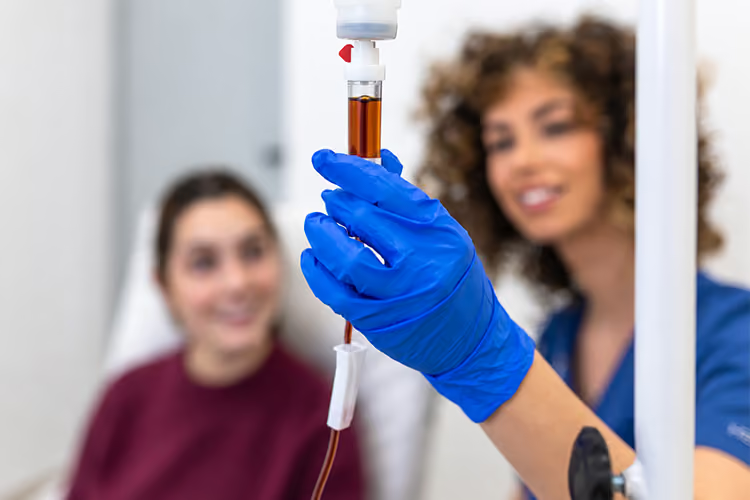
Fast and effective treatment for iron deficiency, delivered safely in a comfortable clinical setting by experienced staff.
FAQs
Is it normal to feel tired after an iron infusion?
Yes. Some people experience temporary fatigue, headache or mild side effects within the first 24 to 48 hours after treatment.
How long does it take for iron levels to increase?
Iron levels begin increasing shortly after the infusion, but it can take several weeks for haemoglobin and red blood cell production to improve fully.
Will an iron infusion give me energy immediately?
Most people notice gradual improvements rather than immediate energy changes. Recovery depends on haemoglobin production and oxygen transport improving over time.
Can iron infusions cause side effects?
Yes. Mild side effects such as nausea, headache, fatigue or dizziness may occur temporarily after treatment.
How do I know if my iron infusion is working?
Many patients report improved energy, concentration and reduced fatigue over time. Follow-up blood tests can also confirm improved iron stores and haemoglobin levels.
Ready to take the next step?
If you are experiencing fatigue, low iron levels or ongoing iron deficiency symptoms, the team at Moonee Valley Specialist Centre can help you understand your treatment options and next steps.
Disclaimer
This article provides general guidance only and is not intended to replace individual medical advice. Any medical procedure carries risks. Please consult your doctor to determine whether an iron infusion is appropriate for your individual circumstances.


Registered nurse and director focused on patient support, education and delivering a welcoming, family-oriented care experience.