

Key Takeaways
- SIBO occurs when excess bacteria grows in the small intestine and disrupts normal digestion.
- Common SIBO symptoms include bloating, abdominal pain, diarrhoea, constipation and excessive gas.
- SIBO may develop due to underlying digestive disorders, slowed gut movement or previous surgery.
- Diagnosis often involves a breath test alongside a review of symptoms and medical history.
- Treatment may include antibiotics, dietary changes and management of underlying digestive conditions.
SIBO, or small intestinal bacterial overgrowth, occurs when excess bacteria grow in the small intestine. This can lead to bloating, abdominal pain, diarrhoea, constipation and nutrient absorption problems. Understanding the causes and symptoms of SIBO can help you seek the right diagnosis and treatment sooner.
What is SIBO condition?
Small intestinal bacterial overgrowth (SIBO) is a digestive condition that occurs when excessive bacteria builds up in the small intestine. While bacteria naturally lives throughout the digestive system, problems can develop when too many bacteria grow in the small intestine, where they can interfere with digestion and nutrient absorption.
SIBO may cause symptoms such as bloating, abdominal pain, diarrhoea, constipation and excessive gas. Some people also experience fatigue, nausea or unexplained weight loss. Because these symptoms overlap with other digestive disorders, including irritable bowel syndrome (IBS), SIBO can sometimes be difficult to recognise without proper testing.
What causes SIBO?
SIBO develops when bacteria remains in the small intestine longer than normal or multiplies excessively. This often occurs because of problems affecting gut movement, digestion or the structure of the digestive tract.
Common causes and risk factors include:
- Irritable bowel syndrome (IBS)
- Diabetes affecting gut motility
- Previous abdominal surgery
- Coeliac disease
- Crohn disease
- Long-term use of acid-reducing medications
- Structural abnormalities within the intestine
- Slowed movement of food through the digestive system
In some cases, SIBO may occur alongside other chronic digestive conditions. Treating the underlying cause is often important for preventing SIBO from returning after treatment.
Symptoms of SIBO
SIBO symptoms can vary between patients depending on the severity of bacterial overgrowth, the type of bacteria involved and whether other digestive conditions are also present. Some people experience mild digestive discomfort, while others develop ongoing symptoms that significantly affect daily life.
Persistent bloating after meals
Stomach bloating is one of the most common symptoms of SIBO and may worsen after eating. Treatment may involve dietary adjustments, antibiotics or identifying foods that trigger fermentation within the gut.
Ongoing diarrhoea or constipation
SIBO can affect bowel function in different ways. Some patients experience frequent diarrhoea, while others develop constipation linked to methane-producing bacteria. Medical assessment can help guide appropriate treatment.
Difficulty identifying trigger foods
Many patients struggle to determine which foods worsen symptoms. A structured dietary approach, such as a low FODMAP diet supervised by a healthcare professional, may help identify triggers safely.
Fatigue and nutrient deficiencies
SIBO may interfere with nutrient absorption, contributing to low iron levels, vitamin deficiencies and fatigue. Nutritional support and treatment of the bacterial overgrowth may help improve energy levels.
Symptoms returning after treatment
SIBO can sometimes recur, particularly if an underlying digestive condition remains untreated. Long-term management may include addressing gut motility, reviewing diet and monitoring symptoms over time.
SIBO vs IBS and IBD: Key differences
SIBO, IBS, and inflammatory bowel disease (IBD) can all cause symptoms such as bloating, abdominal pain and changes in bowel habits. However, these conditions affect the digestive system in different ways and may require different treatment approaches.
SIBO occurs when excess bacteria grows within the small intestine and interferes with digestion and nutrient absorption. IBS is considered a functional gastrointestinal disorder, while IBD refers to inflammatory conditions such as Crohn’s disease and ulcerative colitis that cause ongoing inflammation within the digestive tract.
Because symptoms often overlap, specialist assessment may be needed to identify the underlying cause of digestive symptoms accurately.
Some patients diagnosed with IBS-like symptoms may actually have underlying SIBO contributing to their digestive issues. In other cases, SIBO may develop alongside existing digestive conditions, including IBD or coeliac disease.
How is SIBO diagnosed?
SIBO can be difficult to diagnose because symptoms often resemble other digestive conditions. A specialist assessment can help determine whether bacterial overgrowth may be contributing to ongoing gut symptoms.
Common diagnostic methods include:
Accurate diagnosis is important because treatment approaches may differ depending on the underlying cause and symptom pattern.
Can a colonoscopy detect SIBO?
SIBO cannot usually be seen during a colonoscopy because the condition affects bacterial overgrowth within the small intestine rather than causing visible abnormalities in the colon itself.
A colonoscopy is designed to examine the large intestine and rectum using a flexible camera. While this procedure can help identify inflammation, polyps, Crohn disease, ulcerative colitis and other bowel conditions, it does not directly diagnose small intestinal bacterial overgrowth.
However, some patients with ongoing digestive symptoms may still require a colonoscopy to rule out other gastrointestinal conditions that can cause symptoms similar to SIBO, including:
- Inflammatory bowel disease (IBD)
- Colorectal polyps
- Microscopic colitis
- Coeliac disease complications
- Bowel inflammation or bleeding
For most patients, SIBO diagnosis is more commonly investigated using a breath test combined with a review of symptoms, medical history and other digestive investigations where needed.
A gastroenterology specialist can help determine whether colonoscopy, breath testing or additional investigations may be appropriate based on your symptoms and overall digestive health.
SIBO treatment options
SIBO treatment aims to reduce bacterial overgrowth, improve digestive symptoms and address any underlying conditions contributing to the problem. The most appropriate treatment approach may vary depending on symptom severity, breath test results and whether the patient has hydrogen-dominant or methane-dominant SIBO.
Many patients benefit from a combination of medical treatment, dietary management and long-term strategies to support gut health and reduce the risk of recurrence.
Antibiotics for SIBO
Antibiotics are commonly used to reduce excess bacteria within the small intestine. The type of antibiotic prescribed and the duration of treatment may depend on the patient's symptoms, breath test findings and overall digestive health.
Some patients notice improvement in bloating, gas and bowel symptoms after antibiotic treatment, although symptoms can sometimes return if an underlying digestive condition remains untreated.
Treatment may also involve managing contributing factors such as slowed gut motility, coeliac disease, IBS or previous bowel surgery. Follow-up assessment can help determine whether symptoms have improved and whether further management may be required.
Diet and natural SIBO treatment
Dietary changes can play an important role in managing SIBO symptoms and reducing fermentation within the gut. Certain foods may worsen bloating, gas and abdominal discomfort in some patients.
A low FODMAP diet may sometimes be recommended to help reduce fermentable carbohydrates that feed excess bacteria. Some patients also benefit from smaller meals, balanced nutrition and identifying individual food triggers under professional guidance.
Foods that may worsen symptoms for some patients include:
- Highly processed foods
- Excess sugar intake
- Some high FODMAP foods
- Certain dairy products
- Large amounts of refined carbohydrates
While some patients explore supplements or natural therapies alongside medical treatment, there is currently no single natural remedy proven to cure SIBO in every case. Dietary changes should ideally be supervised by a qualified healthcare professional to avoid unnecessary dietary restriction or nutritional deficiencies.
Probiotics and microbiome support
Probiotics and microbiome support may help some patients during or after SIBO treatment, although responses can vary depending on the type of bacterial overgrowth and individual digestive health.
In some cases, probiotics may help support gut bacteria balance and digestive function following antibiotic treatment. However, not all patients tolerate probiotics well, and some may notice temporary worsening of bloating or gas symptoms.
Long-term microbiome support may also involve:
- Improving overall dietary balance
- Supporting healthy gut motility
- Managing underlying digestive conditions
- Monitoring recurring symptoms
- Maintaining adequate nutrient intake
A gastroenterology specialist can help determine whether probiotics or additional microbiome support strategies may be appropriate as part of an individualised SIBO treatment plan.
Methane vs hydrogen SIBO treatment
SIBO is often classified based on the type of gas produced by excess bacteria within the small intestine. The two most common forms are hydrogen-dominant SIBO and methane-dominant SIBO. Identifying the gas type through breath testing can help guide treatment decisions and explain differences in symptoms between patients.
Why identifying gas type matters
Understanding whether SIBO is hydrogen-dominant or methane-dominant can help guide a more personalised treatment plan.
Breath testing may help specialists determine:
- The likely source of symptoms
- Whether diarrhoea or constipation patterns are linked to gas production
- Which treatment strategies may be more appropriate
- How to monitor symptom improvement over time
Since SIBO can sometimes recur after treatment, long-term management may also involve improving gut motility, supporting digestive health and treating any underlying gastrointestinal conditions contributing to bacterial overgrowth.
How to improve gut health and prevent SIBO

Improving gut health and reducing the risk of SIBO often involves addressing the underlying factors contributing to bacterial overgrowth rather than focusing on symptoms alone. While SIBO can sometimes return after treatment, long-term digestive health strategies may help support recovery and reduce recurrence.
- 01
Support healthy gut motility
Normal gut movement plays an important role in preventing bacteria from accumulating within the small intestine. Conditions that slow digestion or affect bowel function may increase the risk of SIBO developing or returning after treatment.
Managing underlying digestive disorders and maintaining regular bowel habits may help support healthy gut motility over time.
- 02
Maintain a balanced diet
A balanced and varied diet may help support digestive health and reduce unnecessary strain on the gut. Some patients benefit from limiting foods that worsen bloating or fermentation while ensuring adequate nutrient intake.
General dietary strategies that may help include:
- Eating balanced meals regularly
- Avoiding excessive processed foods and added sugars
- Identifying personal food triggers
- Maintaining adequate fibre intake where appropriate
- Staying well hydrated
Restrictive diets should ideally be supervised by a healthcare professional to reduce the risk of nutritional deficiencies.
- 03
Address underlying digestive conditions
SIBO commonly develops alongside other gastrointestinal conditions that affect digestion or gut movement. Managing these conditions appropriately may help reduce the likelihood of recurrent bacterial overgrowth.
- 04
Avoid unnecessary antibiotic use
While antibiotics are commonly used to treat SIBO, repeated or unnecessary antibiotic use may disrupt normal gut bacteria balance. Medications should always be used under medical guidance as part of an appropriate treatment plan.
- 05
Monitor recurring symptoms early
Persistent bloating, abdominal pain, diarrhoea or constipation returning after treatment may suggest ongoing digestive dysfunction or recurrent SIBO. Early assessment may help identify contributing factors before symptoms worsen.
Long-term gut health often involves ongoing monitoring, personalised dietary support and treatment of any underlying gastrointestinal disorders contributing to digestive symptoms.
Risks and complications of untreated SIBO
Without appropriate treatment, SIBO may continue to interfere with digestion, nutrient absorption and overall gut function. While symptoms vary between patients, ongoing bacterial overgrowth can sometimes lead to longer-term digestive and nutritional complications.
Nutrient deficiencies
Excess bacteria within the small intestine may interfere with the absorption of important nutrients, including:
- Iron
- Vitamin B12
- Fat-soluble vitamins
- Protein and fats
Over time, nutrient deficiencies may contribute to fatigue, weakness, reduced energy levels and other health concerns.
Ongoing bloating and digestive discomfort
Persistent bloating, abdominal pain, gas and bowel habit changes can significantly affect daily comfort and quality of life. Some patients may avoid certain foods or social situations because of ongoing digestive symptoms.
Weight loss and malabsorption
In more severe cases, SIBO may contribute to unintended weight loss and malabsorption due to poor digestion and reduced nutrient uptake within the small intestine.
Recurring digestive symptoms
If the underlying cause of SIBO remains untreated, symptoms may continue returning after temporary improvement. Conditions affecting gut motility or digestion can increase the likelihood of recurrent bacterial overgrowth.
When should you see a doctor?
Digestive symptoms such as bloating, abdominal pain, diarrhoea and constipation are common, but ongoing or worsening symptoms should not be ignored. While occasional digestive discomfort may not always indicate a serious condition, persistent symptoms can sometimes suggest SIBO or another underlying gastrointestinal disorder requiring medical assessment.
You should consider seeing a doctor or gastroenterology specialist if you experience:
- Persistent bloating after meals
- Ongoing abdominal pain or cramping
- Chronic diarrhoea or constipation
- Excessive gas or digestive discomfort
- Unexplained weight loss
- Fatigue or low energy levels
- Symptoms affecting daily activities or quality of life
- Recurring digestive symptoms despite dietary changes
Medical assessment may help identify whether symptoms are related to SIBO, IBS, coeliac disease, inflammatory bowel disease or another digestive condition.
FAQ: SIBO symptoms, testing, and treatment
What causes bacteria in your small intestine to overgrow?
SIBO may develop when normal gut movement slows or digestive function becomes disrupted. Conditions affecting the bowel, previous surgery or some medications can increase the risk of developing SIBO. In simple terms, bacteria remain in the small intestine longer than they should and begin to feed on food during digestion.
Are probiotics helpful for SIBO?
Some patients may benefit from probiotic support during or after treating SIBO, although this varies depending on symptoms and the type of bacterial overgrowth present. A gastroenterology specialist can help determine what approach may be most effective during your course of treatment.
Is there a natural remedy for SIBO?
Some patients explore dietary strategies, supplements or natural therapies alongside medical treatment. While these approaches may provide symptom relief, there is no single natural cure proven to completely get rid of SIBO in every case. Patients should speak with a qualified practitioner before starting alternative therapies.
Can SIBO affect stool or bowel habits?
Yes. SIBO may affect stool consistency and bowel habits, causing diarrhoea, constipation or alternating symptoms. These changes can occur because excess bacteria interfere with normal digestion and nutrient absorption within the digestive tract.
When should I see a gastroenterology specialist?
Patients should seek medical advice if digestive symptoms are persistent, worsening or affecting quality of life. Early assessment may help identify the main cause of symptoms and start effective treatment sooner. A specialist can also explain what is happening, what to expect during testing and whether symptoms may be linked to another digestive illness.
Can SIBO come back after treatment?
Yes. SIBO can come back after treatment, particularly if the underlying digestive condition is still present. Long-term management may involve monitoring symptoms, reviewing diet and treating conditions contributing to bacterial overgrowth.
Dr Nathan Connelly answers common SIBO questions
Digestive symptoms such as bloating, abdominal discomfort and changes in bowel habits can feel frustrating, particularly when symptoms continue despite dietary changes or previous treatment. Dr Nathan Connelly works with patients to investigate the underlying causes of digestive symptoms and develop personalised treatment plans based on each patient's symptoms, medical history and digestive health needs.
How can we help?
We understand symptoms such as bloating, abdominal pain, diarrhoea and constipation can significantly affect daily comfort and quality of life. Our approach focuses on identifying the underlying cause of symptoms and developing personalised treatment plans tailored to each patient's digestive health needs.
Our service
Our gastroenterology consultations help patients investigate ongoing gut symptoms, understand possible causes and develop an appropriate treatment plan.
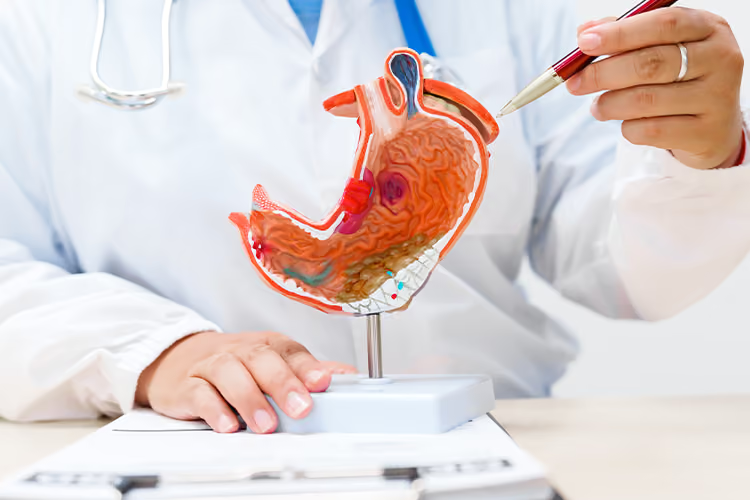
Specialist consultation and management of digestive conditions, including gut, bowel and liver disorders.
Disclaimer
This article is intended for general educational purposes only and should not be considered medical advice, diagnosis or treatment. Symptoms of liver damage from alcohol can vary between individuals and may be caused by a range of medical conditions. Always speak with your doctor before making significant changes to alcohol consumption, particularly if you have alcohol dependence or underlying health conditions.


Registered nurse and director focused on patient support, education and delivering a welcoming, family-oriented care experience.