


Capsule endoscopy for small bowel diagnosis
A capsule endoscopy is a simple test that can help find the cause of unexplained symptoms. Our gastroenterology team provides this non-invasive test to detect bleeding and small bowel conditions.



What is capsule endoscopy?
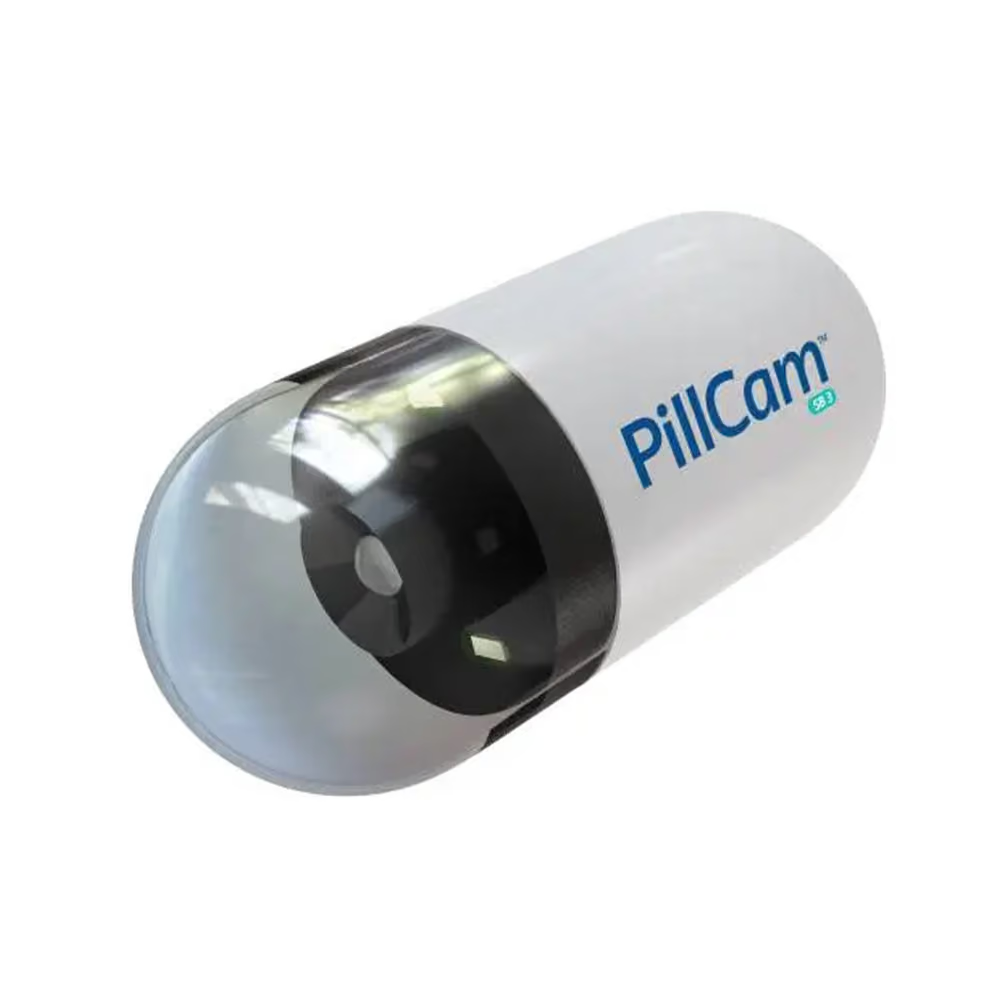
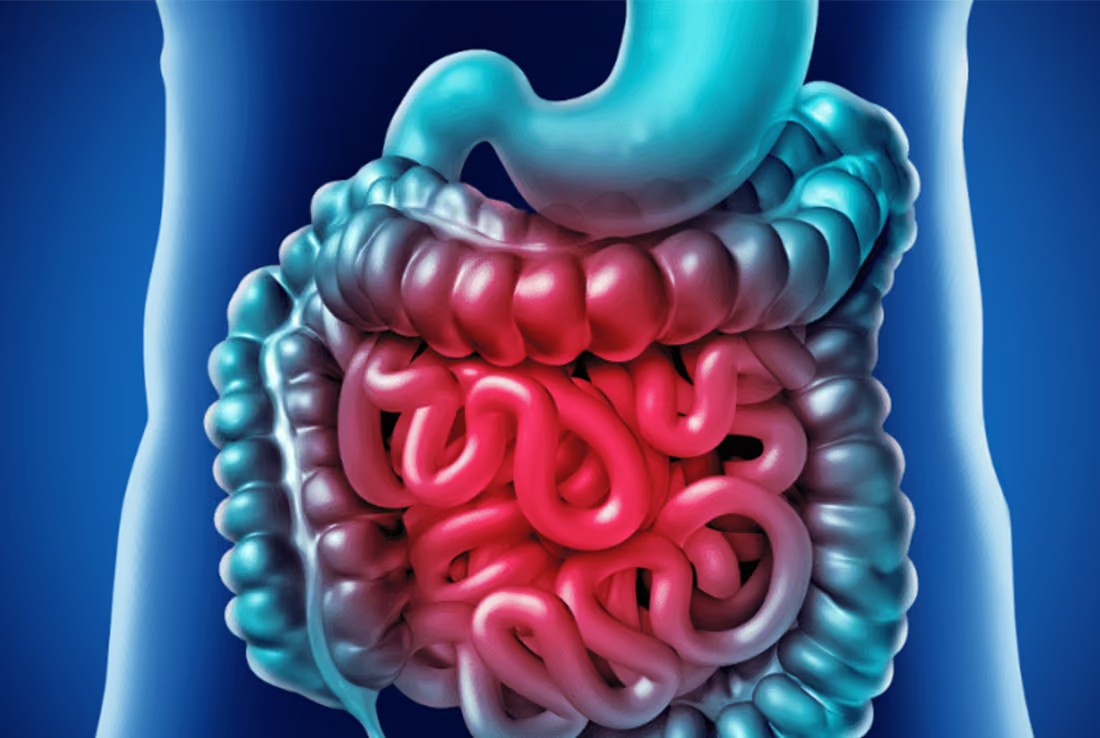
Capsule endoscopy is a day procedure where you swallow a small camera capsule. It captures images of your gastrointestinal tract as it naturally passes through your bowel, helping diagnose conditions that gastroscopy or colonoscopy may miss.
When this test may be required
Capsule endoscopy is generally considered when further investigation of the small intestine is needed after previous tests, such as gastroscopy or colonoscopy.

Symptoms that warrant capsule endoscopy
Capsule endoscopy may be used when symptoms persist and require further investigation of the small intestine beyond standard tests.
- Unexplained abdominal pain, bloating or changes in bowel habits
- Black stools or signs of gastrointestinal bleeding that need further evaluation
- Ongoing fatigue linked to iron deficiency or anaemia

Risk factors for bowel conditions
Some patients may require capsule endoscopy based on risk factors that increase the likelihood of small bowel conditions.
- History of inflammatory bowel disease or coeliac disease
- Previous abnormal results from gastroscopy, colonoscopy or imaging
- Family history of digestive conditions or unexplained symptoms
Screening and early detection
In some cases, capsule endoscopy is used as part of further screening when initial tests have not identified the cause of symptoms.
- Investigation of unexplained iron deficiency anaemia
- Follow up when X-ray, MRI or other imaging is inconclusive
- Assessment of bleeding sources in the small intestine

What your specialist will consider
Bfore booking, our team will review whether capsule endoscopy is appropriate and whether you meet the Medicare rebate requirements.
- Previous gastroscopy and colonoscopy results
- Relevant history or results relating to iron deficiency anaemia
- Whether further investigation of the small intestine is appropriate
What can capsule endoscopy detect?
Capsule endoscopy helps diagnose conditions affecting the small intestine, especially when gastroscopy and colonoscopy have not explained your symptoms.

How capsule endoscopy works
Capsule endoscopy uses a small wireless video capsule to capture and transmit images of your digestive tract to a data recorder worn during the procedure.
Swallowing the capsule camera
The capsule is swallowed with water after preparation. It passes through the oesophagus and begins recording images.
Capturing and transmitting images
The capsule captures multiple images per second and transmits them wirelessly to a data recorder worn on the body.
Downloading and reviewing results
After approximately 8 hours, the data recorder is removed, and images are downloaded for specialist review and diagnosis.
What to expect from capsule endoscopy
Capsule endoscopy is a simple, safe procedure. Here’s what to expect before, during and after your test.
Before procedure
Before procedure
You will receive preparation instructions, including when to stop eating or drinking. The capsule is taken with a glass of water on the day.
During procedure

During procedure
The capsule passes naturally through your digestive system while images are transmitted to a data recorder. No sedation is required.
After procedure
After procedure
After the test, the data recorder is removed, and images are downloaded onto a computer for review by your specialist.
Recovery aftercare

Recovery aftercare
You can usually return to normal activities. The capsule passes naturally and is safely flushed away during a bowel movement.
Results and follow-up

Results and follow-up
Your specialist will review the digital images and explain the findings. You will receive clear guidance on diagnosis and next steps.
When the capsule has passed

When the capsule has passed
The capsule usually passes naturally in a bowel movement and does not need to be retrieved or returned.
Before procedure
You will receive preparation instructions, including when to stop eating or drinking. The capsule is taken with a glass of water on the day.
Procedure preparation
Preparation is simple and involves dietary instructions before the procedure to allow clear images of your digestive tract.
Benefits of capsule endoscopy
Capsule endoscopy offers a simple, non-invasive way to examine the small intestine and diagnose conditions with minimal disruption.

Non-invasive and easy to complete
Capsule endoscopy involves swallowing a small pill camera with a sip of water, avoiding invasive procedures or sedation.

Examines areas that other tests cannot
The capsule can assess the small intestine, which is not easily reached with gastroscopy or colonoscopy procedures.

Minimal disruption to your day
This is a simple day procedure that allows most patients to continue normal activities while the capsule works.

Clear diagnosis for specific conditions
High-quality images help detect bleeding, inflammation and other conditions that may not be seen on standard tests.
Risks and safety of capsule endoscopy
Capsule endoscopy is a very safe procedure. Your specialist will assess suitability and explain any risks before the test.
Potential risks
Capsule endoscopy is generally very safe, but like any specialised procedure, there are some risks your specialist will discuss with you beforehand.
- Capsule retention may occur if there is narrowing in the small intestine
- Rare risk of delayed passage requiring further assessment or imaging
- The capsule may get stuck in about 1 in 100 patients with bowel narrowing
Safety and clinical precautions
Your specialist will take steps to ensure capsule endoscopy is appropriate and safe based on your individual health and medical history.
- Pre-assessment may include imaging to check for narrowing before the capsule is swallowed
- The capsule does not need to be removed and usually passes naturally without complications
- Clear instructions are provided to help confirm that the capsule has passed safely
Book your capsule endoscopy appointment
Take the next step towards diagnosis with capsule endoscopy, supported by experienced specialists and clear communication.

Why choose our Melbourne clinic
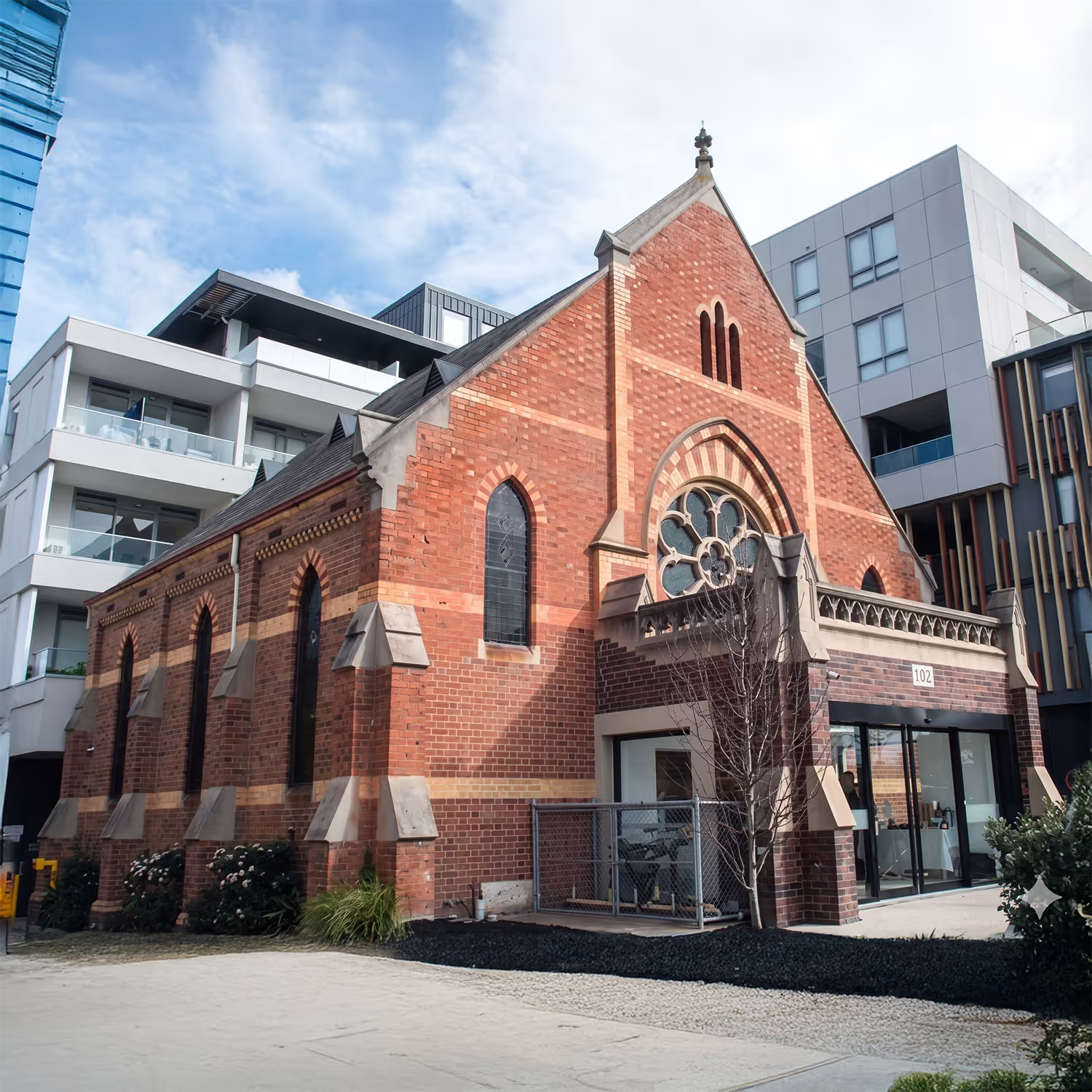
Our Melbourne clinic offers streamlined services, clear communication and experienced specialist care you can trust.

Specialist-led gastroenterology care
Your procedure is performed and reviewed by experienced gastroenterologists, ensuring accurate diagnosis and trusted clinical care.

Fast access to testing and results
We offer timely appointments and efficient reporting, helping you move from symptoms to diagnosis without unnecessary delays.

Clear explanations and next steps
We focus on helping you understand your results, with clear guidance on diagnosis, treatment and what to do next.
Streamlined, patient-first experience
From booking to results, our clinic offers a simple, coordinated process that reduces stress and improves your experience.
Accreditations and professional standards
Our clinic and specialists maintain recognised accreditations, reflecting our commitment to safe, high-quality care.





What our patients say
Patients value our clear communication, efficient care and supportive approach throughout diagnosis and treatment.
Affiliations and memberships
Our specialists are affiliated with leading hospitals and professional organisations across Australia.
Schedule your capsule endoscopy today
Our team is here to guide you through capsule endoscopy with clear answers and timely care. Contact us to get started.
Our gastroenterology team
Our experienced team provides specialist-led care with a focus on clear communication, accurate diagnosis and patient support.




Doctor referrals
Capsule endoscopy usually requires a doctor’s referral. We work closely with GPs to ensure a smooth and timely process.
FAQs
Find answers to common questions about capsule endoscopy, including preparation, timing, cost and what to expect.
How much does capsule endoscopy cost in Australia?
The cost of capsule endoscopy in Australia can vary depending on the clinic, specialist fees and whether Medicare or private health applies. In many cases, there may be out-of-pocket costs. Our Melbourne clinic provides clear pricing information upfront, so you understand the total cost before booking. Contact our team to discuss fees and what is included in your procedure.
How is capsule endoscopy removed?
The capsule does not need to be removed. It is a single-use device that passes naturally through your digestive system and is safely flushed away during a bowel movement. Most patients will not notice when it passes. If the capsule has not been seen after several days, your specialist may advise follow-up to confirm it has passed.
Do you need bowel prep for capsule endoscopy?
Preparation for capsule endoscopy is usually simpler than that for colonoscopy. You may be asked to fast or follow dietary instructions before the procedure to ensure clear images. In some cases, a mild bowel prep may be recommended. Your clinic will provide clear instructions tailored to your procedure and medical history.
How long does capsule endoscopy take?
Capsule endoscopy is a day procedure that typically takes about 8 hours. During this time, the capsule travels through your digestive system while images are transmitted to a data recorder. You can usually continue normal daily activities, with some restrictions on eating and drinking early in the test.
How long does it take to pass the capsule?
The capsule usually passes naturally within 24 to 72 hours after the procedure. It moves through your digestive tract and is safely flushed away. In most cases, patients do not need to retrieve the capsule. Your specialist may ask you to monitor when the capsule has passed.
What should I wear for capsule endoscopy?
You should wear loose, comfortable clothing on the day of your procedure. A data recorder is worn around your waist, so clothing that allows easy placement of this device is recommended. Avoid tight-fitting garments around the abdomen. Your clinic will provide any additional instructions before your appointment.
Latest articles and patient resources
Explore articles and resources to learn more about digestive health, procedures and what to expect from specialist care.
Contact our Melbourne clinic
If you have questions about capsule endoscopy or would like to book an appointment, our team is here to help. Contact our Melbourne clinic for clear guidance, appointment availability and support throughout your care.

Phone Consults: 8:00am - 6:00pm