

Key Takeaways
- Early signs of liver damage from alcohol can include fatigue, appetite loss and liver swelling.
- Alcohol-related liver disease often develops gradually over time.
- Fatty liver disease may improve if alcohol intake stops early enough.
- Advanced liver damage can lead to jaundice, fluid retention and cirrhosis.
- Early assessment may help prevent permanent liver damage.
Alcohol-related liver disease develops when ongoing alcohol use damages healthy liver tissue over time. The liver plays an essential role in filtering toxins, supporting digestion and regulating metabolism. Excessive alcohol consumption can interfere with these functions and gradually lead to inflammation, scarring and permanent liver damage.
Early signs of liver damage from alcohol
The early signs of liver damage from alcohol are often mild and easy to overlook. Many people initially experience ongoing fatigue, reduced appetite or digestive discomfort before more serious symptoms appear. Because alcoholic liver disease can develop gradually over time, recognising these warning signs early may help prevent further damage to the liver.
Common early symptoms can include:
- Fatigue and low energy levels
- Swelling or discomfort in the upper right side of the abdomen
- Unexplained weight loss
- Loss of appetite
- Nausea or digestive issues
- Difficulty concentrating or feeling mentally foggy
In the early stages, alcohol-related liver damage may still be reversible if alcohol intake is reduced or stopped.
Swelling of your liver (hepatomegaly)
An enlarged liver, known as hepatomegaly, can be one of the early signs of liver damage from alcohol. This swelling happens when excessive alcohol consumption causes inflammation and fat to build up within the liver tissue.
In the early stages of alcoholic liver disease, the liver may become enlarged as it works harder to process alcohol and repair damaged liver cells. While some people experience noticeable symptoms, others may not realise their liver is swollen until medical testing is performed.
What swelling may feel like and when it appears
Liver swelling may cause discomfort or a dull ache in the upper right side of the abdomen, just beneath the ribs. Some people also describe feelings of fullness, bloating or pressure after eating.
This symptom can develop during the early stages of alcohol-related liver disease, including alcoholic fatty liver disease and mild alcoholic hepatitis. Persistent discomfort or abdominal swelling should always be medically assessed.
Fatigue and low energy levels
Persistent fatigue is one of the most common early signs of liver damage from alcohol. Many people with alcohol-related liver disease experience ongoing tiredness, weakness or difficulty concentrating, even after adequate rest.
As liver function declines, the body may struggle to properly process nutrients, regulate blood sugar, and remove toxins from the bloodstream. This can lead to low energy levels and a general feeling of exhaustion.
Why alcohol affects energy and metabolism
The liver plays an important role in converting food into energy and supporting normal metabolism. Excessive alcohol consumption can interfere with these processes by damaging liver cells and increasing inflammation.
Alcohol also disrupts sleep quality, hydration and nutrient absorption, which may further contribute to fatigue. Over time, ongoing liver damage can make it harder for the body to maintain healthy energy levels.
Unexplained weight loss and loss of appetite
Unexplained weight loss and reduced appetite can be early signs of liver damage from alcohol. As alcohol-related liver disease develops, the liver may struggle to process nutrients properly, affecting digestion, metabolism and overall energy balance.
Some people may begin eating less because they feel nauseous, bloated or constantly fatigued. Others may lose weight gradually without intentionally changing their diet or lifestyle.
Why alcoholics lose weight and stop eating
Excessive alcohol consumption can interfere with how the body absorbs and stores nutrients. Alcohol may also irritate the digestive system and reduce appetite, making it difficult to maintain healthy eating habits.
In people with alcoholic liver disease, inflammation and liver dysfunction can increase feelings of nausea, fullness and discomfort after eating. Over time, poor nutrition and ongoing liver damage may contribute to significant weight loss and muscle weakness.
Additional early symptoms of alcoholic liver disease
The signs of liver damage from alcohol are not always obvious in the early stages. Alongside fatigue, appetite loss and liver swelling, some people may develop a range of other symptoms as liver function becomes affected.
Additional early symptoms of alcoholic liver disease may include:
- Nausea or feeling sick
- Bloating or digestive discomfort
- Mild abdominal pain
- Difficulty concentrating or brain fog
- Changes in sleep patterns
- Increased sensitivity to alcohol
- Redness of the palms
- Mild yellowing of the eyes or skin
These symptoms can vary between individuals and may appear gradually over time. Many people dismiss early warning signs because they seem mild or unrelated to liver health.
Liver scans and liver health assessment
Moonee Valley Specialist Centre provides specialist-led liver assessment services, including non-invasive FibroScan testing. These scans help assess liver stiffness and fatty liver disease without surgery or hospital admission.
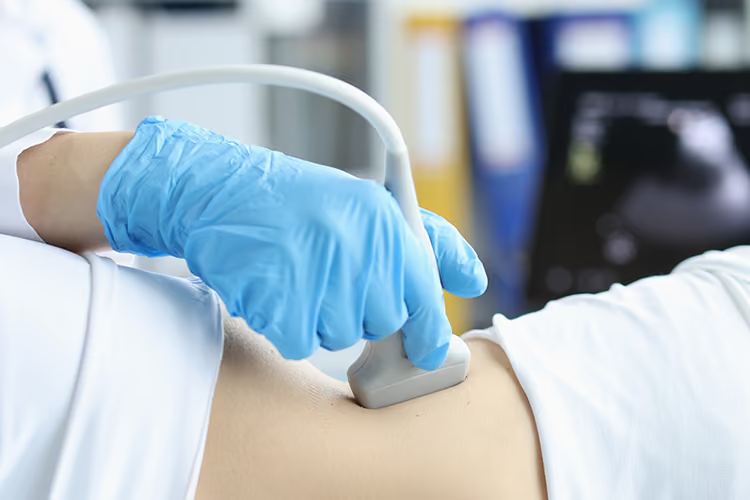
Non-invasive liver assessment using FibroScan technology to detect liver disease and monitor liver health quickly and accurately.
Advanced symptoms: when liver damage worsens
As alcohol-related liver disease progresses, symptoms often become more serious and harder to ignore. Ongoing inflammation and scarring can reduce liver function and affect the bodys ability to filter toxins, regulate fluids and support digestion.
Advanced liver damage may develop into cirrhosis, liver failure or other life-threatening complications if left untreated.
Key warning signs (jaundice, itching, swelling)
Some of the most common advanced symptoms of liver damage from alcohol include:
- Yellowing of the skin and eyes (jaundice)
- Swelling in the abdomen or legs due to fluid retention
- Persistent itching
- Easy bruising or bleeding
- Severe fatigue and weakness
- Confusion or memory problems
- Dark urine or pale stools
These symptoms may indicate severe alcoholic hepatitis, cirrhosis or significant liver dysfunction and should be medically assessed as soon as possible.
What causes liver damage from alcohol?
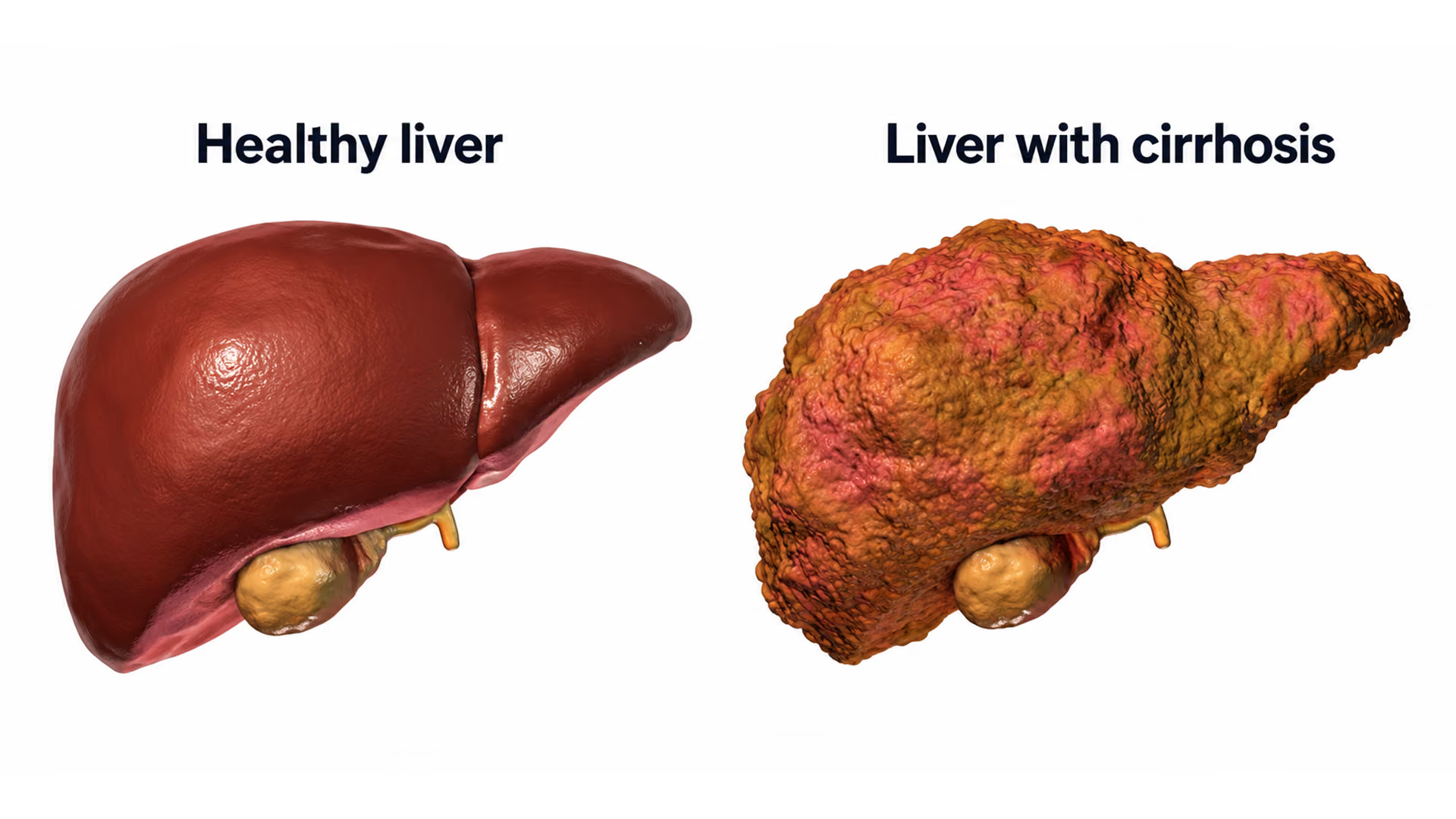
The liver is responsible for breaking down alcohol and removing toxins from the body. When a person drinks excessively over time, the liver can become overwhelmed and damaged by the harmful substances produced during alcohol metabolism.
Repeated alcohol exposure can injure liver cells, trigger inflammation and gradually replace healthy liver tissue with scar tissue. The risk of liver damage increases with ongoing heavy drinking, although some people may develop alcohol-related liver disease more quickly due to genetics, overall health or other medical conditions.
How alcohol leads to fatty liver, hepatitis, and cirrhosis
Alcohol-related liver disease often develops gradually over time if excessive alcohol consumption continues. Here is a quick overview of the different stages of liver damage:
Risks and complications of untreated liver damage
Untreated liver damage from alcohol can gradually progress into serious and potentially life-threatening health conditions. As healthy liver tissue is replaced by scar tissue, the liver may lose its ability to filter toxins, support digestion, and regulate essential body functions.
Without treatment or lifestyle changes, alcohol-related liver disease can continue worsening over time, even if symptoms initially seem mild.
Complications of untreated liver damage may include:
- Liver cirrhosis
- Liver failure
- Internal bleeding
- Fluid build-up in the abdomen (ascites)
- Severe infections
- Confusion or memory problems caused by toxin build-up
- Increased risk of liver cancer
- Malnutrition and muscle loss
How to repair and support your liver from alcohol damage
The liver has a remarkable ability to repair itself, particularly during the early stages of alcohol-related liver disease. However, ongoing alcohol consumption can prevent healing and increase the risk of permanent liver damage.
Supporting liver health usually involves a combination of lifestyle changes, medical care and ongoing monitoring. Early intervention may help reduce inflammation, improve liver function and prevent further damage.
Some of the most important steps include:
- Stopping or significantly reducing alcohol intake
- Eating a balanced, nutrient-rich diet
- Maintaining a healthy weight
- Managing conditions such as diabetes or high cholesterol
- Staying physically active
- Attending regular medical check-ups and liver assessments
People with more advanced liver disease may require specialist treatment and ongoing care.
Steps to reduce alcoholic fatty liver
Alcoholic fatty liver disease is often the earliest stage of alcohol-related liver damage and may improve if treated early.
Helpful steps may include:
- Abstaining from alcohol to reduce stress on the liver
- Improving nutrition with balanced meals and adequate protein intake
- Losing excess weight gradually if recommended by a doctor
- Exercising regularly to support metabolism and liver health
- Managing underlying health conditions such as obesity or diabetes
- Monitoring liver function through ongoing medical care

Tip: Avoid sudden alcohol withdrawal without medical advice
For people with heavy or long-term alcohol use, suddenly stopping alcohol can sometimes be dangerous. Medical support may be recommended to help manage withdrawal symptoms safely.

How long does the liver take to recover from alcohol?
The liver has a strong ability to repair itself, particularly during the early stages of alcohol-related liver disease. Recovery time depends on how severe the liver damage is, how long alcohol use has continued and whether alcohol consumption stops completely.
In many cases, early liver damage may improve significantly with abstaining from alcohol and making healthy lifestyle changes. However, advanced liver disease such as cirrhosis often causes permanent scarring that cannot be fully reversed.
Liver recovery timeline (fatty liver to cirrhosis)
Recovery timelines can vary between individuals, but general expectations include:
- Alcoholic fatty liver disease: Fat build-up may begin improving within a few weeks of stopping alcohol.
- Alcoholic hepatitis: Mild inflammation may improve over several months with medical care and avoiding alcohol.
- Fibrosis: Some liver healing may occur, but scar tissue can remain.
- Cirrhosis: Permanent liver scarring cannot usually be reversed, although stopping alcohol may help slow further damage and improve overall health.
Factors that affect liver healing speed
Several factors can influence how quickly the liver recovers from alcohol damage, including:
- The amount and duration of alcohol consumption
- Whether alcohol use stops completely
- Overall diet and nutrition
- Body weight and metabolic health
- Existing liver disease or medical conditions
- Smoking and other lifestyle factors
- Access to ongoing medical care and support
People with symptoms of liver damage should seek medical advice for proper assessment and monitoring.
When to seek medical help for liver damage symptoms
It is important to seek medical advice if you experience ongoing symptoms that may indicate liver damage from alcohol. Early assessment can help identify liver problems before permanent scarring or serious complications develop.
You should speak with a healthcare professional if you notice:
- Persistent fatigue or weakness
- Unexplained weight loss
- Loss of appetite
- Abdominal pain or swelling
- Yellowing of the skin or eyes
- Nausea or digestive problems
- Swelling in the legs or abdomen
- Confusion or difficulty concentrating
People with a history of excessive alcohol consumption or abnormal liver function tests should also consider specialist assessment and ongoing monitoring.
Why choose Moonee Valley Specialist Centre?
When it comes to liver and digestive health concerns, patients often want clear answers, experienced specialists and supportive ongoing care. Moonee Valley Specialist Centre provides specialist-led gastroenterology and hepatology services focused on early diagnosis, patient understanding and personalised treatment pathways.
Experienced liver and digestive health specialists
Our team includes experienced gastroenterologists and hepatology clinicians who regularly assess and manage liver disease, digestive symptoms and abnormal liver function tests.
Clear explanations and patient-focused care
We understand that liver symptoms and test results can feel overwhelming. Our team focuses on explaining conditions, investigations and next steps in clear, easy-to-understand language.
Access to specialist liver assessments
We provide access to specialist liver investigations, including non-invasive FibroScan liver scans, helping patients better understand the health of their liver without unnecessary delays.
Streamlined care and follow-up support
From consultation through to testing and ongoing management, we aim to provide a more efficient and supportive healthcare experience with continuity of care throughout the process.
FAQ: alcohol and liver damage symptoms and recovery
What are the first signs and symptoms of liver damage from alcohol?
Early signs and symptoms of alcohol liver damage may include fatigue, appetite loss, nausea, abdominal discomfort and unexplained weight loss. Some people also develop liver swelling or digestive symptoms before more serious liver disease symptoms appear.
How much alcohol can cause liver damage?
The amount of alcohol that causes liver damage varies between individuals. Factors such as genetics, diet, existing health conditions and long-term drinking alcohol habits can all affect the risk of alcohol-related liver disease.
Can liver damage due to alcohol be reversed?
In some cases, early liver damage due to alcohol may improve if alcohol consumption stops completely. Fatty liver disease is often reversible, while advanced alcoholic cirrhosis usually causes permanent scarring.
What happens when the liver cannot filter toxins properly?
When the liver cannot filter toxins effectively, harmful substances can build up in the body. This may lead to confusion, swelling, jaundice and other serious disease symptoms associated with advanced liver damage.
Can consuming too much alcohol lead to liver cancer?
Yes. Long-term excessive alcohol use and alcoholic cirrhosis can increase the risk of developing liver cancer, particularly when severe scarring affects liver function over many years.
Is alcoholic liver damage the same as non-alcoholic fatty liver disease?
No. Alcoholic liver damage is caused by excessive alcohol consumption, while non-alcoholic fatty liver disease develops due to factors such as obesity, diabetes and metabolic health conditions.
Can quitting alcohol improve the health of your liver?
Yes. Quitting alcohol may reduce inflammation, support liver healing and help prevent further damage caused by alcohol use. Recovery depends on how advanced the liver disease has become.
How do doctors detect liver damage due to alcohol?
Doctors may use blood tests, liver scans and medical history assessments to detect signs of alcohol-related liver damage. In some cases, additional imaging or specialist testing may be recommended.
Can medicine repair alcohol liver damage?
There is no single medicine that can fully reverse severe alcohol liver damage. Treatment usually focuses on quitting alcohol, improving nutrition, managing complications and supporting liver function.
When is a liver transplant needed?
A liver transplant may be considered in severe cases of chronic liver failure or advanced alcoholic cirrhosis when the liver can no longer function properly despite treatment.
What are the causes of liver damage besides alcohol?
Other causes of liver damage can include viral hepatitis, obesity, certain medicines, autoimmune conditions and non-alcoholic fatty liver disease.
Can alcohol addiction treatment help prevent liver disease progression?
Yes. Alcohol addiction treatment and ongoing support may help people stop drinking alcohol safely and reduce the risk of further liver damage caused by excessive alcohol use.
Book an appointment
If you are experiencing signs of liver damage from alcohol, early assessment may help identify the cause of your symptoms and prevent further liver damage. Our team provides specialist-led liver assessments, investigations and ongoing support for patients with liver and digestive health concerns.
Disclaimer
This article is intended for general educational purposes only and should not be considered medical advice, diagnosis or treatment. Symptoms of liver damage from alcohol can vary between individuals and may be caused by a range of medical conditions. Always speak with your doctor before making significant changes to alcohol consumption, particularly if you have alcohol dependence or underlying health conditions.


Registered nurse and director focused on patient support, education and delivering a welcoming, family-oriented care experience.