


Key Takeaways
- Liver cirrhosis develops gradually as healthy liver tissue is replaced by scar tissue.
- The four stages of liver cirrhosis range from early inflammation through to advanced liver failure.
- Early-stage cirrhosis may not cause noticeable symptoms.
- Common causes include viral hepatitis, fatty liver disease and long-term alcohol use.
- Early diagnosis and treatment may help slow disease progression and reduce complications.
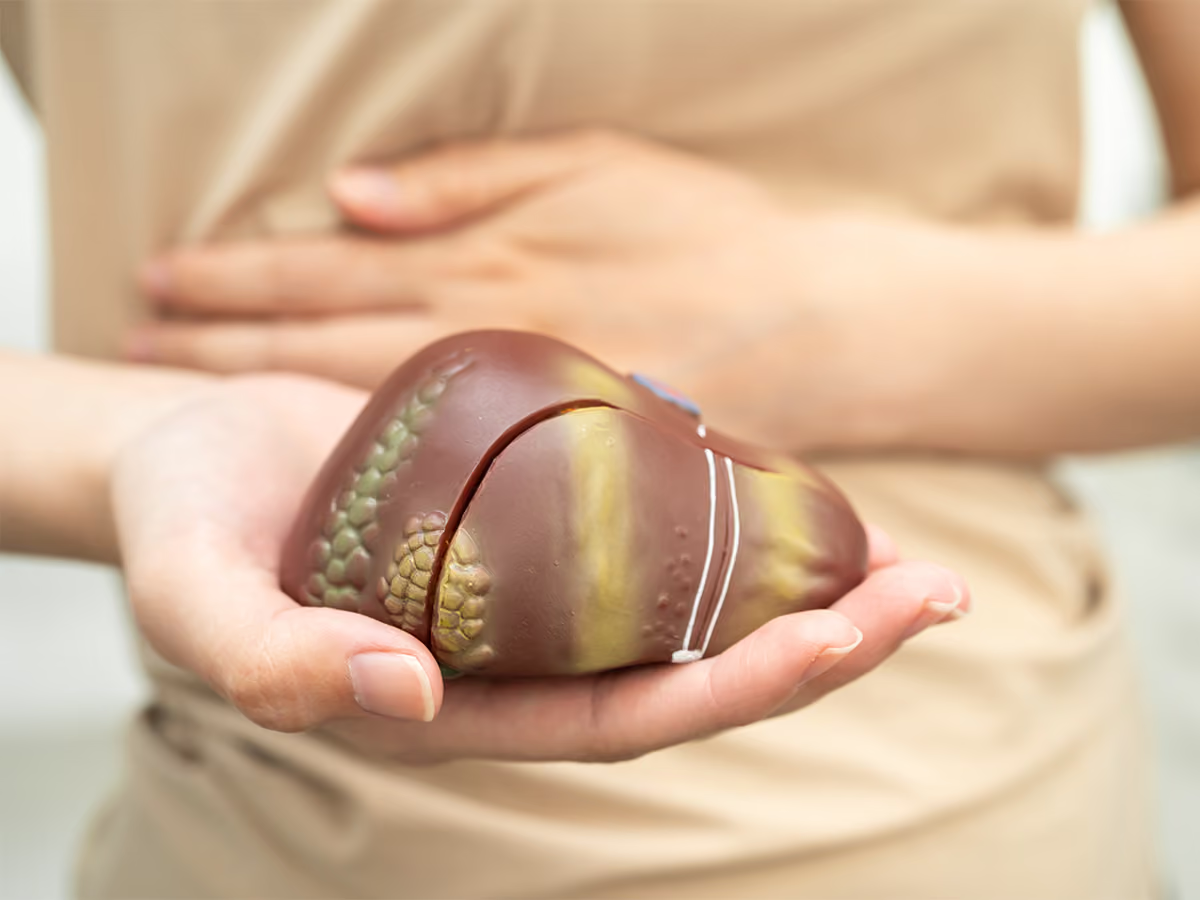
Liver cirrhosis is a serious form of chronic liver disease that develops when healthy liver tissue is gradually replaced by scar tissue. As cirrhosis progresses, the liver becomes less able to perform important functions such as filtering toxins, processing nutrients and supporting digestion.
Understanding how liver cirrhosis progresses can help you recognise symptoms early, seek appropriate treatment and better manage long-term liver health. This guide explains the four stages of liver cirrhosis, including symptoms, causes, diagnosis, and treatment options.
What is cirrhosis of the liver?
Cirrhosis of the liver occurs when repeated liver damage causes healthy liver tissue to be replaced with scar tissue. Over time, this scarring impairs blood flow through the liver and reduces its ability to function properly.
The liver plays an important role in:
- Filtering toxins from the blood
- Processing nutrients
- Producing proteins
- Supporting digestion
- Regulating metabolism
As cirrhosis progresses, liver function may gradually decline.
What causes cirrhosis of the liver?
Several conditions may lead to liver cirrhosis over time, including:
- Fatty liver disease
- Alcohol-related liver disease
- Hepatitis B and C
- Autoimmune liver disease
- Long-term liver inflammation
- Metabolic conditions
- Certain inherited liver disorders
Since cirrhosis often develops slowly, many patients may not realise liver damage is occurring until symptoms worsen.
Early signs and symptoms of liver disease
Early liver disease may not always cause obvious symptoms. However, some people may experience:
- Fatigue
- Nausea
- Reduced appetite
- Mild abdominal discomfort
- Unexplained weight loss
- Brain fog or confusion
- Swelling in the legs
- Itchy skin
As liver damage progresses, symptoms may become more severe.
The 4 stages of cirrhosis explained
Liver cirrhosis is a serious condition that develops gradually as scar tissue damages the liver. Understanding each stage may help support earlier treatment.
- 01
Stage 1: Fatty liver disease (Liver steatosis)
The first stage of liver cirrhosis is fatty liver disease, also known as liver steatosis. This occurs when excess fat accumulates in the liver.
Although all livers contain some fat, fatty liver disease may develop when fat makes up more than 5-10% of the liver.
You may be at greater risk of fatty liver disease if you:
- Are overweight or obese
- Have diabetes or metabolic syndrome
- Have polycystic ovary syndrome
- Have an underactive thyroid
- Drink excessive amounts of alcohol
- Take certain medications
Fatty liver disease is very common in Australia, and many people may not realise they have it because symptoms are often mild or absent during the early stages.
Common symptoms:
- Fatigue
- Mild abdominal discomfort
- Reduced appetite
- Nausea
- Elevated liver function tests
Fatty liver disease may often be detected during routine blood tests or ultrasound imaging. Early intervention may include:
- Avoiding alcohol
- Weight management
- Antiviral treatment for hepatitis
- Managing diabetes or cholesterol
- Regular liver health monitoring
Without lifestyle changes, fatty liver disease may progress to inflammation and fibrosis.
- 02
Stage 2: Liver fibrosis
During stage 2, scar tissue begins forming within the liver. This process is known as fibrosis. When the liver repeatedly attempts to repair itself over many years, scar tissue may gradually replace healthy tissue. This scar tissue affects blood flow through the liver and may reduce liver function over time. Although the liver can still perform many of its functions, blood flow through it may begin to become restricted.
Fibrosis may continue progressing without noticeable symptoms, which is why early diagnosis is important.
Common signs of fibrosis:
- Loss of appetite
- Weight loss
- Fatigue
- Nausea
- Fluid retention
- Confusion or brain fog
- Yellowing of the skin or eyes (jaundice)
Diagnosis may involve:
- Liver biopsy
- FibroScan
- Ultrasound imaging
- Blood tests assessing liver function
If detected early, liver fibrosis may sometimes be managed through:
- Weight loss
- Dietary changes
- Avoiding alcohol
- Treating hepatitis B or hepatitis C
- Managing underlying medical conditions
- Medications to slow disease progression
- 03
Stage 3: Cirrhosis (compensated vs decompensated)
At this stage, significant scarring has developed within the liver.
Compensated cirrhosis
Compensated cirrhosis means the liver is still able to perform many essential functions despite extensive scarring.
Some patients may experience a few symptoms during this stage.
Possible symptoms include:
- Fatigue
- Weakness
- Itchy skin
- Digestive problems
- Mild swelling
Decompensated cirrhosis
Decompensated cirrhosis occurs when liver function declines significantly and complications begin developing.
Complications may include:
- Ascites
- Internal bleeding
- Jaundice
- Hepatic encephalopathy
- Severe swelling
Decompensated cirrhosis requires close medical management.
- 04
Stage 4: Chronic liver failure
Chronic liver failure is a potentially life-threatening condition that may require hospital treatment, intensive monitoring and specialist support once liver function declines significantly.
Symptoms may include:
- Severe jaundice
- Fluid buildup in the abdomen
- Vomiting blood
- Easy bruising or bleeding
- Severe fatigue
- Confusion
Advanced liver disease may require hospital treatment and liver transplant assessment. Some treatments may include:
- Diuretics
- Nutritional support
- Fluid drainage procedures (paracentesis)
- Medications to manage complications
- Intensive care management
- Liver transplant assessment
Life expectancy with cirrhosis of the liver varies significantly depending on liver function, overall health and how well complications can be managed.
Here’s a quick comparison of the different liver cirrhosis stages:
Stage What happens Common symptoms Treatment focus Stage 1 Fat builds up in the liver Fatigue, abdominal discomfort Lifestyle changes Stage 2 Scar tissue begins forming Jaundice, nausea, weight loss Slow fibrosis progression Stage 3 Significant scarring affects liver function Fatigue, swelling, itching Manage cirrhosis Stage 4 Liver function severely declines Ascites, bleeding, confusion Prevent complications
Cirrhosis vs fibrosis: what’s the difference?
Fibrosis and cirrhosis are both stages of liver scarring, but they differ in severity and their impact on liver health.
Fibrosis refers to the early formation of scar tissue within the liver. It develops when the liver repeatedly tries to repair damage caused by factors such as chronic hepatitis, excessive alcohol use, fatty liver disease, or other long-term liver conditions. During this stage, the liver can often continue to function normally, and treatment may help slow, stop, or even partially reverse further scarring.
Cirrhosis occurs when scarring becomes widespread and permanently alters the liver structure. As healthy liver tissue is replaced by scar tissue, blood flow through the liver becomes restricted and the organ is less able to perform its essential functions. This can lead to serious complications, including liver failure, portal hypertension, and an increased risk of liver cancer.
While fibrosis may sometimes be slowed or partially improved if the underlying cause is treated early, cirrhosis is generally considered an advanced stage of liver disease and is often irreversible. Early diagnosis and management are important to help prevent fibrosis from progressing to cirrhosis.
Complications of liver cirrhosis
Liver cirrhosis may lead to serious complications, particularly during advanced stages.
Possible complications include:
- Portal hypertension
- Ascites
- Varices
- Internal bleeding
- Hepatic encephalopathy
- Infections
- Kidney dysfunction
- Liver cancer
Early diagnosis and ongoing monitoring may help reduce complications.
How is cirrhosis diagnosed?
Diagnosing cirrhosis of the liver usually involves a combination of medical history, physical examination and diagnostic testing. People at higher risk of liver disease should get regular check-ups, particularly if they have fatty liver disease, viral hepatitis or a history of excessive alcohol use.
Get a liver scan (FibroScan, imaging, blood tests)
Common investigations may include:
- Liver function blood tests
- FibroScan
- Ultrasound or CT imaging
- Liver biopsy
- Hepatitis screening
At Moonee Valley Specialist Centre, patients may benefit from streamlined assessment pathways and specialist-led liver investigations designed to provide clearer answers and next steps. The clinic focuses on helping patients better understand their diagnosis and treatment options through clear, supportive communication.
Our diagnostic procedure
Fast, non-invasive FibroScan and liver assessments to help detect liver disease early and support personalised treatment planning.
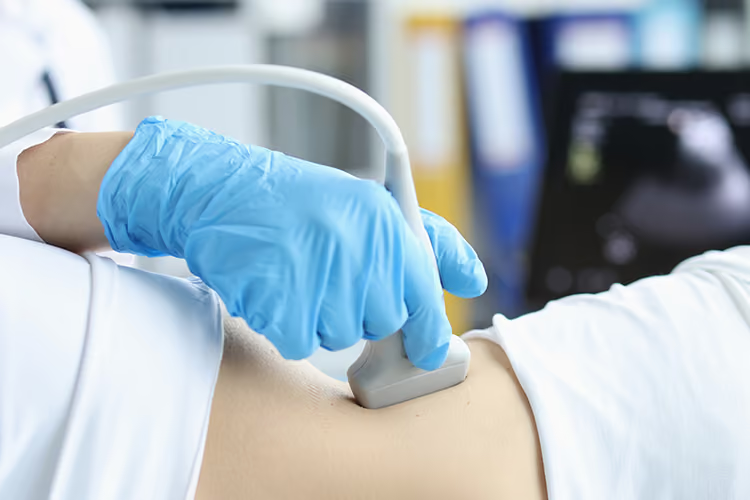
Non-invasive liver assessment using FibroScan technology to detect liver disease and monitor liver health quickly and accurately.
Can cirrhosis of the liver be reversed?
Whether cirrhosis can be reversed depends on how much scarring has already occurred.
Early liver damage, such as fatty liver disease or mild fibrosis, may improve when the underlying cause is identified and treated. However, once extensive scar tissue develops, the liver structure is permanently altered.
While advanced cirrhosis is generally considered irreversible, treatment can still make a significant difference by:
- Slowing disease progression
- Reducing symptoms
- Lowering the risk of complications
- Preserving remaining liver function
- Improving quality of life
The earlier liver disease is diagnosed, the more opportunities there are to prevent further damage.
Treatment and management of cirrhosis
Treatment for liver cirrhosis depends on the stage of the disease and underlying cause. While scar tissue cannot usually be reversed completely, treatment may help slow progression and reduce complications.
Lifestyle and diet changes
Daily habits play an important role in managing cirrhosis. Your doctor may recommend:
Medical treatments and liver transplant
Medical treatment may include:
- Antiviral medications
- Diuretics
- Medications to manage complications
- Nutritional support
- Fluid drainage procedures
- Ongoing monitoring
Patients with advanced liver failure may require liver transplant assessment.
Life expectancy and prognosis
There is no single life expectancy for cirrhosis, as outcomes vary significantly from person to person. Prognosis is influenced by several factors, including the stage of liver disease, the extent of liver function, the presence of complications, overall health, and response to treatment.
In general, patients diagnosed during the earlier stages of cirrhosis tend to have a more favourable outlook than those who develop decompensated cirrhosis or liver failure. Ongoing medical care, lifestyle changes, and appropriate treatment can play an important role in managing the condition and supporting long-term health.
Living with cirrhosis: long-term care
Long-term management often involves ongoing monitoring and lifestyle adjustments.
Patients may benefit from:
- Regular liver assessments
- Routine blood tests
- Monitoring for complications
- Nutritional guidance
- Vaccinations
- Specialist follow-up care
Ongoing management may help preserve liver function and improve quality of life.
When should you see a doctor?
It is important to seek medical advice if you experience symptoms that may indicate liver disease, such as persistent fatigue, jaundice, abdominal swelling, unexplained weight loss, ongoing nausea, or swelling in the legs. More serious symptoms, including vomiting blood, confusion, or severe drowsiness, require urgent medical attention.
Since liver disease can progress silently for many years, early assessment may help identify problems before significant complications develop. Prompt diagnosis and treatment can also improve long-term outcomes and help preserve liver function.
FAQ: cirrhosis stages, symptoms, and treatment
What are the first signs of cirrhosis?
Early liver disease may not always show symptoms initially, which is why cirrhosis is often diagnosed during routine testing or imaging. Some patients remain asymptomatic during the earlier clinical stages of liver disease. Early symptoms may include fatigue, reduced appetite, nausea, mild abdominal discomfort, brain fog and unexplained weight loss. As liver damage progresses, symptoms often become more noticeable.
Can fatty liver disease lead to cirrhosis?
Yes. Fatty liver disease may gradually progress through fibrosis and eventually cirrhosis if ongoing inflammation causes scarring within the liver. Over time, repeated liver injury damages healthy liver cells and replaces them with scar tissue. The risk may increase in people with obesity, diabetes, metabolic syndrome and excess alcohol intake. Early treatment may help slow disease progression and manage symptoms before advanced liver damage develops.
What is the difference between compensated and decompensated cirrhosis?
Compensated cirrhosis means the liver still performs many important functions despite significant scarring. Some people remain asymptomatic during this stage. Decompensated cirrhosis occurs when liver function declines significantly, and serious complications develop, including ascites, internal bleeding, jaundice, hepatic encephalopathy and severe swelling. Once cirrhosis reaches the decompensated stage, the condition becomes more serious and requires close specialist monitoring.
Can end-stage cirrhosis be cured?
Advanced cirrhosis is generally considered irreversible because the liver is damaged by extensive scar tissue. However, treatment may still help slow disease progression, manage symptoms, reduce complications and preserve remaining liver function. Early management of the condition may improve long-term outcomes and quality of life.
Is cirrhosis life-threatening?
Yes. Liver cirrhosis is a serious form of chronic liver disease that may eventually progress to chronic liver failure. As cirrhosis gets worse over time, the liver cannot perform essential functions effectively. End-stage liver disease may affect multiple organ systems throughout the body and lead to complications such as internal bleeding, severe infection, kidney dysfunction, fluid buildup and hepatic encephalopathy. The survival rate depends on the stage of disease, overall health and how well complications can be managed.
What happens when cirrhosis reaches end-stage liver disease?
When cirrhosis reaches end-stage liver disease, liver function declines severely and the liver still attempts to repair itself despite extensive scarring. At this stage, the liver cannot effectively filter toxins, blood flow through the liver becomes restricted and multiple organ systems may become affected. Serious complications often occur more frequently, and end-stage liver disease may require hospital treatment and liver transplant assessment.
How is the diagnosis of cirrhosis confirmed?
The diagnosis of cirrhosis may involve blood tests, imaging scans, FibroScan assessment and sometimes liver biopsy. Specialists may also assess liver function using scoring systems such as the Child-Turcotte-Pugh (CTP) classification. The Child-Turcotte-Pugh scoring system helps the medical team assess liver function, estimate prognosis, determine the severity of liver disease and guide treatment decisions. Earlier diagnosis of cirrhosis may help improve long-term management outcomes.
Does cirrhosis get worse over time?
Yes. Without treatment, cirrhosis often gets worse over time as ongoing liver injury causes further scarring and reduces healthy liver function. Although the liver still has some regenerative capacity, repeated inflammation and scar tissue formation may permanently damage its structure over time. Early intervention may help slow progression, manage symptoms, reduce complications and preserve liver function for longer.
How can we help?
If you have concerns about liver health, abnormal liver tests or symptoms of cirrhosis, specialist assessment may help provide clearer answers and next steps.
At Moonee Valley Specialist Centre, we provide comprehensive liver assessments and personalised treatment planning for a range of liver conditions.
Disclaimer
All information is general and is not intended to be a substitute for professional medical advice. Moonee Valley Specialist Centre can consult with you to confirm if a particular treatment or procedure is right for you. Any surgical or invasive procedure carries risks. A second opinion may help you decide if a particular treatment is right for you.


Experienced specialist with expertise in liver disease and functional gut disorders, providing endoscopy and patient-centred care since 2011.