


Key Takeaways
- Sugar is a type of carbohydrate that provides energy for the body.
- Different sugars include glucose, fructose, lactose and sucrose.
- Natural sugars occur in foods like fruit and milk, while added sugars are commonly found in processed foods and beverages.
- Excess added sugar intake may contribute to obesity, type 2 diabetes and cardiovascular disease.
- Reading food labels can help identify hidden sugars in packaged foods.
Sugars are a type of carbohydrate found naturally in foods and added to many processed products.
From glucose and fructose to raw sugar and high-fructose corn syrup, sugar comes in many forms. Understanding the different types of sugar can help you make more informed choices about your diet, blood glucose levels and long-term health.
Learn the difference between natural sugars, refined sugars and added sugars — and how they affect the body.
Overview: How sugars are classified (structure vs source vs processing)
Sugar is a type of carbohydrate, often referred to as a simple carb, while foods such as whole grains contain more complex carbohydrates. It is what the body uses for energy. It occurs naturally in foods such as fruit, vegetables and dairy products, but it is also added to many processed foods and beverages.
When sugar is consumed, the body breaks it down into glucose, which enters the bloodstream and helps fuel cells, muscles and organs.
Some sugars occur naturally in whole foods, while others are added during food manufacturing to improve sweetness, texture or shelf life.
Although sugar provides energy, consuming excessive amounts of added sugar may contribute to health conditions such as weight gain, type 2 diabetes and cardiovascular disease.
What are the main types of sugar?
There are several different types of sugar, and they are generally grouped into two main categories: monosaccharides and disaccharides.
Monosaccharides (glucose, fructose, galactose)
Monosaccharides are simple sugars made from one glucose molecule or another single sugar molecule. From a chemistry perspective, sugars are classified according to their molecular structure. These sugars are absorbed directly into the bloodstream and used for energy.
The main monosaccharides include:
- Glucose - the bodys primary energy source
- Fructose - commonly found in fruit, honey and some vegetables
- Galactose - found in dairy products as part of lactose
Glucose plays an important role in maintaining normal body function because cells use glucose for energy production.
Disaccharides (sucrose, lactose, maltose)
Disaccharides form when two monosaccharides combine.
Common disaccharides include:
- Sucrose - made from glucose and fructose, commonly known as table sugar
- Lactose - made from glucose and galactose, naturally found in milk
- Maltose - made from two glucose molecules, often found in grains and starches
These sugars are broken down during digestion before the body can absorb and metabolise them.
While some sugars occur naturally in whole foods, others are added during food processing and manufacturing.
Natural sugars vs added sugars
Not all sugars are the same. Some sugars occur naturally in whole foods, while others are added during processing or preparation.
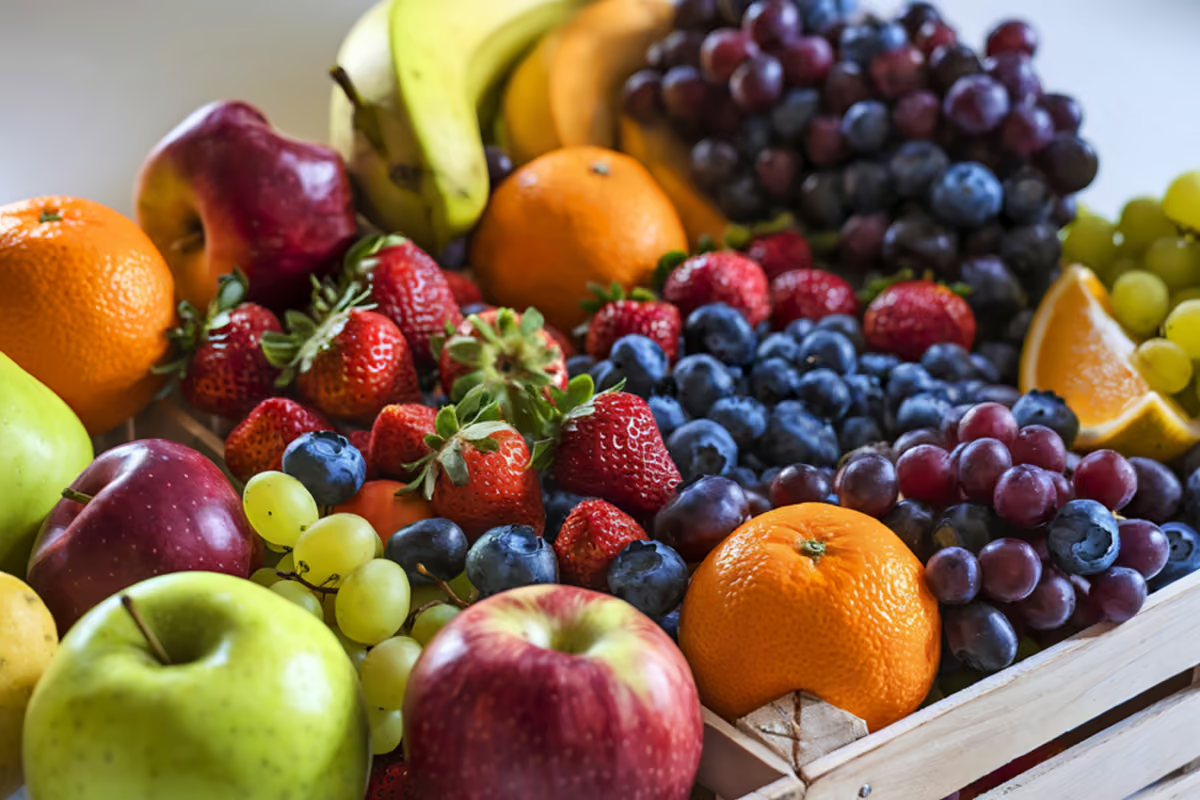
Natural sugars are found in foods such as:
- Fruit
- Vegetables
- Milk and yoghurt
These foods also contain important nutrients such as fibre, vitamins and minerals, which can help slow sugar absorption and support overall health.
Added sugars are sugars or sweeteners added to foods and beverages during manufacturing, cooking or preparation. They are commonly found in:
- Soft drinks
- Desserts
- Breakfast cereals
- Sauces
- Packaged snacks
| Natural sugars | Added sugars |
|---|---|
| Found naturally in whole foods | Added during processing or cooking |
| Present in fruit, milk and vegetables | Common in processed foods and beverages |
| Often paired with fibre and nutrients | Usually provide little nutritional value |
| Typically absorbed more slowly | May contribute to excess calorie intake |
Understanding where sugar comes from can also help explain why different sugar types are used in everyday foods.
Types of added sugar in foods
Added sugars can appear under many different names on ingredient labels.
Common types of added sugar include:
- Cane sugar
- Brown sugar
- Raw sugar
- Corn syrup
- High-fructose corn syrup
- Rice malt syrup
- Agave nectar
- Molasses
- Dextrose
- Invert sugar
Some packaged foods contain several different forms of sugar in the same product. Reading ingredient lists and nutrition labels can help identify hidden added sugars and compare lower-sugar options.
Common types of sugar used in food (culinary sugars)
Different sugars are used in cooking and food manufacturing for sweetness, texture, moisture retention and preservation. Some sugars are highly refined, while others retain small amounts of molasses.
White sugar vs granulated vs caster sugar
Brown sugar vs raw sugar vs muscovado
Although less refined sugars contain slightly more minerals, the nutritional differences between these sugars are relatively small.
Liquid sugars (honey, syrups, invert sugar)
| Liquid sugar | Description | Common uses |
|---|---|---|
| Honey | Contains glucose and fructose and is produced by bees from flower nectar. | Drinks, baking, sauces, marinades |
| Maple syrup | Produced from maple tree sap and contains mostly sucrose along with small amounts of minerals and antioxidants. | Pancakes, desserts, baking, sweeteners |
| Corn syrup | A liquid sweetener made from corn starch that helps improve texture and moisture retention. | Processed foods, confectionery, sauces |
| High-fructose corn syrup | A processed sweetener containing added fructose, commonly used in packaged foods and sugary beverages. | Soft drinks, snack foods, desserts |
| Invert sugar | Produced by breaking sucrose into glucose and fructose. Helps products retain moisture and maintain texture. | Commercial baking, confectionery, syrups |
Sugar composition and chemical structure
Sugars are carbohydrates made from carbon, hydrogen and oxygen. They are classified according to their chemical structure, which affects how they are digested, absorbed and used by the body.
Simple sugars are made from either one sugar molecule or two sugar molecules joined together.
During digestion, enzymes break down disaccharides into monosaccharides, which can then be absorbed into the bloodstream and used for energy.
Different sugars may also vary in how sweet they taste and how quickly they affect blood glucose levels. For example, glucose raises blood glucose rapidly, while fructose is mainly processed in the liver.
Although sugars differ chemically, consuming excessive amounts of added sugar may still contribute to health problems such as obesity, type 2 diabetes and fatty liver disease.
Foods with glucose vs fructose: what’s the difference?
Glucose and fructose are both simple sugars, but the body processes them differently. They are naturally found in many foods and are also added to processed products and sweetened beverages.
Foods high in glucose
Glucose is the body's main energy source and is absorbed directly into the bloodstream.
Foods that commonly contain glucose include:
- Bread
- Rice
- Potatoes
- Corn
- Sports drinks
- Processed snack foods
Many starchy carbohydrates are broken down into glucose during digestion. Glucose raises blood glucose levels and stimulates the release of insulin, which helps move glucose into cells for energy.
Foods high in fructose
Fructose is naturally found in fruit and some sweeteners. Unlike glucose, fructose is mainly processed in the liver.
Foods that commonly contain fructose include:
- Fruit
- Honey
- Agave nectar
- High-fructose corn syrup
- Soft drinks
- Sweetened processed foods
Whole fruit is generally considered healthy because it also contains fibre, vitamins and antioxidants. However, consuming large amounts of fructose from sugary beverages and processed foods may contribute to excess calorie intake and liver fat accumulation.
| Glucose | Fructose |
|---|---|
| Main energy source for the body | Mainly processed in the liver |
| Rapidly raises blood glucose levels | Has a smaller immediate effect on blood glucose |
| Stimulates insulin release | Does not stimulate insulin as strongly |
| Common in starches and processed carbohydrates | Common in fruit, honey and sugary drinks |
Does fructose affect the body differently?
Fructose is metabolised differently from glucose because most fructose processing occurs in the liver.
Excessive fructose intake from added sugars, particularly sugary beverages and processed foods, may contribute to:
- Fatty liver disease
- Increased triglycerides
- Insulin resistance
- Metabolic syndrome
In comparison, fructose from whole fruit is generally less concerning because fibre slows absorption and helps support fullness.
Health effects of too much sugar
Sugar provides energy for the body, but regularly consuming excessive amounts of added sugar may negatively affect long-term health.
When sugar is eaten, it is broken down into glucose, which enters the bloodstream and raises blood glucose levels. The hormone insulin then helps move glucose into cells where it can be used for energy.
Small amounts of sugar can be part of a balanced diet. However, diets high in sugary drinks and heavily processed foods may contribute to excess calorie intake and metabolic health problems over time.
Health effects linked to excess added sugar intake may include:
- Weight gain
- Tooth decay
- Elevated blood glucose levels
- Increased triglycerides
- Cardiovascular disease
- Chronic inflammation
- Reduced diet quality
Sugary beverages are one of the largest contributors to excess added sugar intake because they provide high amounts of sugar without promoting fullness.
Foods that contain natural sugars, such as fruit and dairy products, are generally considered healthier choices because they also provide fibre, vitamins, minerals and protein.
Sugar and metabolic syndrome, diabetes, fatty liver
Excess added sugar intake may contribute to several metabolic health conditions, particularly when combined with excess calorie intake and low physical activity levels.
Metabolic syndrome
Metabolic syndrome is a group of conditions that increase the risk of cardiovascular disease and type 2 diabetes.
These risk factors may include:
- Increased waist circumference
- Elevated blood glucose
- High blood pressure
- High triglycerides
- Low HDL cholesterol
Regular consumption of sugary drinks and highly processed foods may increase the risk of developing metabolic syndrome over time.
Type 2 diabetes
Consistently consuming excess calories and high amounts of added sugar may contribute to insulin resistance, where the body becomes less responsive to insulin.
Over time, insulin resistance may increase the risk of developing type 2 diabetes.
Sugary beverages are strongly associated with increased diabetes risk because they can rapidly raise blood glucose levels and contribute to excess calorie intake.
Fatty liver disease
Excessive fructose intake, particularly from added sugars and sugary drinks, may contribute to non-alcoholic fatty liver disease (NAFLD).
Unlike glucose, fructose is mainly processed in the liver. Excess fructose can be converted into fat, which may accumulate in liver cells over time.
Risk factors for fatty liver disease may include:
- High added sugar intake
- Obesity
- Insulin resistance
- Metabolic syndrome
- Type 2 diabetes
Reducing sugary drinks and highly processed foods may help support liver and metabolic health.
How to reduce your sugar intake safely
Reducing added sugar does not usually require extreme dieting or cutting out all sweet foods. Small, gradual changes are often easier to maintain long-term and may help support overall health.
The goal is generally to reduce excess added sugar while maintaining a balanced, enjoyable diet. The Australian Dietary Guidelines also recommend limiting foods and drinks high in added sugar as part of a balanced diet.
- 01
Practical ways to reduce sugar intake
Strategy How it may help Choose water or sparkling water instead of soft drinks Reduces added sugar and excess calorie intake Compare food labels Helps identify lower sugar products Choose unsweetened yoghurt and cereals Reduces hidden added sugars in everyday foods Limit sugary snacks and desserts May help reduce excess calorie intake Reduce sugar added to tea and coffee gradually Helps adjust taste preferences over time Eat more whole foods Whole foods often contain fibre and nutrients that support fullness Include more fibre-rich foods Fibre may help slow sugar absorption and support blood glucose control Avoid skipping meals Regular meals may help reduce cravings for sugary foods - 02
Focus on gradual changes
Making small adjustments over time is often more sustainable than highly restrictive diets.
For example, you might:
- Reduce soft drink intake gradually
- Swap sugary snacks for fruit or yoghurt
- Use smaller amounts of sugar in cooking and drinks
- Choose lower sugar versions of packaged foods
These changes may help support better long-term eating habits without feeling overly restrictive.
- 03
Be mindful of sugary drinks
Sugary beverages are one of the largest sources of added sugar in many diets.
These may include:
- Soft drinks
- Energy drinks
- Sports drinks
- Sweetened iced coffees
- Fruit drinks with added sugar
Since liquids are less filling than solid foods, sugary drinks may contribute to excess calorie intake without reducing hunger.

Tip: Choose whole food sources of sugar where possible
Fruit, vegetables and dairy products contain natural sugars alongside fibre and nutrients. Limiting foods high in added sugar may help support overall health.
Disclaimer
This article is intended for general educational purposes only and should not be considered medical advice, diagnosis or treatment. Always speak with your doctor or a qualified healthcare professional about your individual health concerns, dietary needs or symptoms. If you are concerned about your liver health, digestive symptoms or metabolic conditions, seek personalised medical advice from a qualified specialist.
How to identify added sugars on food labels
Sugar can appear under many different names on food labels, which can make it difficult to identify how much added sugar a product contains.
Ingredients on food labels are listed in order of quantity, so sugars listed near the top usually indicate a higher sugar content.
Some foods that appear healthy may still contain large amounts of added sugar, including:
- Flavoured yoghurt
- Breakfast cereals
- Muesli bars
- Bottled sauces
- Sports drinks
Checking nutrition information panels and ingredient lists can help you make more informed choices about sugar intake. Some savoury foods, including pasta sauces, salad dressings, and baked beans, can also be sources of added sugar.
Tips for reading food labels
When checking food labels:
- Compare products to find lower sugar options
- Look for unsweetened varieties where possible
- Be mindful of sugary beverages and snack foods
- Check serving sizes carefully
- Watch for multiple forms of added sugar in one product
FAQ: sugar types, differences, and health effects
What are the different kinds of sugar?
There are many types of sugar, including natural and added sugars. Common examples include glucose, fructose, sucrose, lactose and maltose. Sugars can also be grouped according to how they are processed, such as white sugar, brown sugar, powdered sugar and liquid sweeteners.
What is sugarcane used for?
Sugarcane is one of the main plants used worldwide to produce sugar. Many products, including regular sugar, brown sugar and raw sugar, are made from sugarcane through refining and processing.
Is high fructose corn syrup worse than regular sugar?
High fructose corn syrup and regular sugar contain similar amounts of glucose and fructose. However, high fructose corn syrup is commonly used in sugary drinks and processed foods, which may contribute to excess calorie intake and metabolic health problems when consumed in large amounts.
What is powdered sugar?
Powdered sugar, also called icing sugar or confectioners sugar, is finely ground sugar mixed with a small amount of starch to prevent clumping. Icing sugar is commonly used in frosting, icing, and dessert toppings.
Are some sugars healthier than others?
Some sugars are often marketed as healthier than others, particularly less refined sugars such as honey, raw sugar and maple syrup. Although these products may contain small amounts of minerals or antioxidants, they still contribute to overall sugar intake and should be consumed in moderation.
What is turbinado sugar?
Turbinado sugar is a less-refined sugar that retains some natural molasses. It has large golden crystals and a mild caramel flavour. Turbinado sugar is commonly used in coffee, desserts and baking.
What is the difference between white sugar and regular sugar?
Regular sugar is usually the same as white sugar or granulated sugar. It is the most commonly used refined sugar in households and food manufacturing.
Which sugars are best for cooking and baking?
Different sugars are used for different purposes in cooking and baking.
- Granulated sugar is ideal for general baking and sweetened drinks
- Caster sugar is ideal for cakes, meringues and desserts because it dissolves quickly
- Brown sugar adds moisture and a richer flavour to baked goods
- Powdered sugar is commonly used in icing and frosting
What does “known as white sugar” mean?
The term known as white sugar usually refers to refined table sugar made from sugar cane or sugar beet. It is also commonly called granulated sugar or regular sugar.
Can excess sugar affect your health?
Consuming high amounts of added sugar over time may contribute to obesity, fatty liver disease, insulin resistance, metabolic syndrome and type 2 diabetes. Limiting sugary beverages and heavily processed foods may help support long-term health.
How can we help?
If you have concerns about sugar intake, digestive symptoms or liver health, the team at Moonee Valley Specialist Centre can help you better understand your health and next steps.
Related service
Excess sugar intake may contribute to fatty liver disease and other metabolic health concerns. At Moonee Valley Specialist Centre, we provide FibroScan liver scans using advanced, non-invasive technology to help assess liver health quickly and comfortably.

Non-invasive liver assessment using FibroScan technology to detect liver disease and monitor liver health quickly and accurately.


Registered nurse and director focused on patient support, education and delivering a welcoming, family-oriented care experience.