


Key Takeaways
- Weight loss may help reduce excess fat in the liver and improve liver function.
- Losing around 5–10% of body weight may help improve fatty liver disease.
- Diet and exercise are usually the first-line treatment for non-alcoholic fatty liver disease.
- Processed foods, refined carbohydrates and excess sugar may worsen liver fat buildup.
- Early treatment may help reduce the risk of fibrosis, cirrhosis and liver failure.
What is fatty liver disease?
Fatty liver disease occurs when too much fat builds up in the liver. A small amount of fat in the liver is normal, but excess fat can over time affect how this important organ functions.
You may also see fatty liver disease referred to as steatosis, non-alcoholic fatty liver disease (NAFLD), metabolic-associated fatty liver disease (MAFLD) or metabolic dysfunction-associated fatty liver disease. These terms are often used when liver fat is linked to metabolic risk factors such as being overweight, insulin resistance, type 2 diabetes, high cholesterol or high blood pressure.
Fatty liver disease often has no symptoms in the early stages. Many people only find out after abnormal liver function tests or imaging such as an ultrasound or FibroScan. When symptoms do occur, they may include fatigue, discomfort in the upper right abdomen or a general feeling of being unwell.
For most people, fatty liver disease does not cause severe liver damage. However, in some cases, excess fat can lead to liver inflammation and scarring, known as fibrosis. More advanced scarring can progress to cirrhosis, which may increase the risk of liver failure or liver cancer.
The good news is that early fatty liver disease can often be improved with lifestyle changes that support weight loss, metabolic health and liver health. This is why early diagnosis, monitoring and the right treatment plan are important.
Why weight loss is important for fatty liver
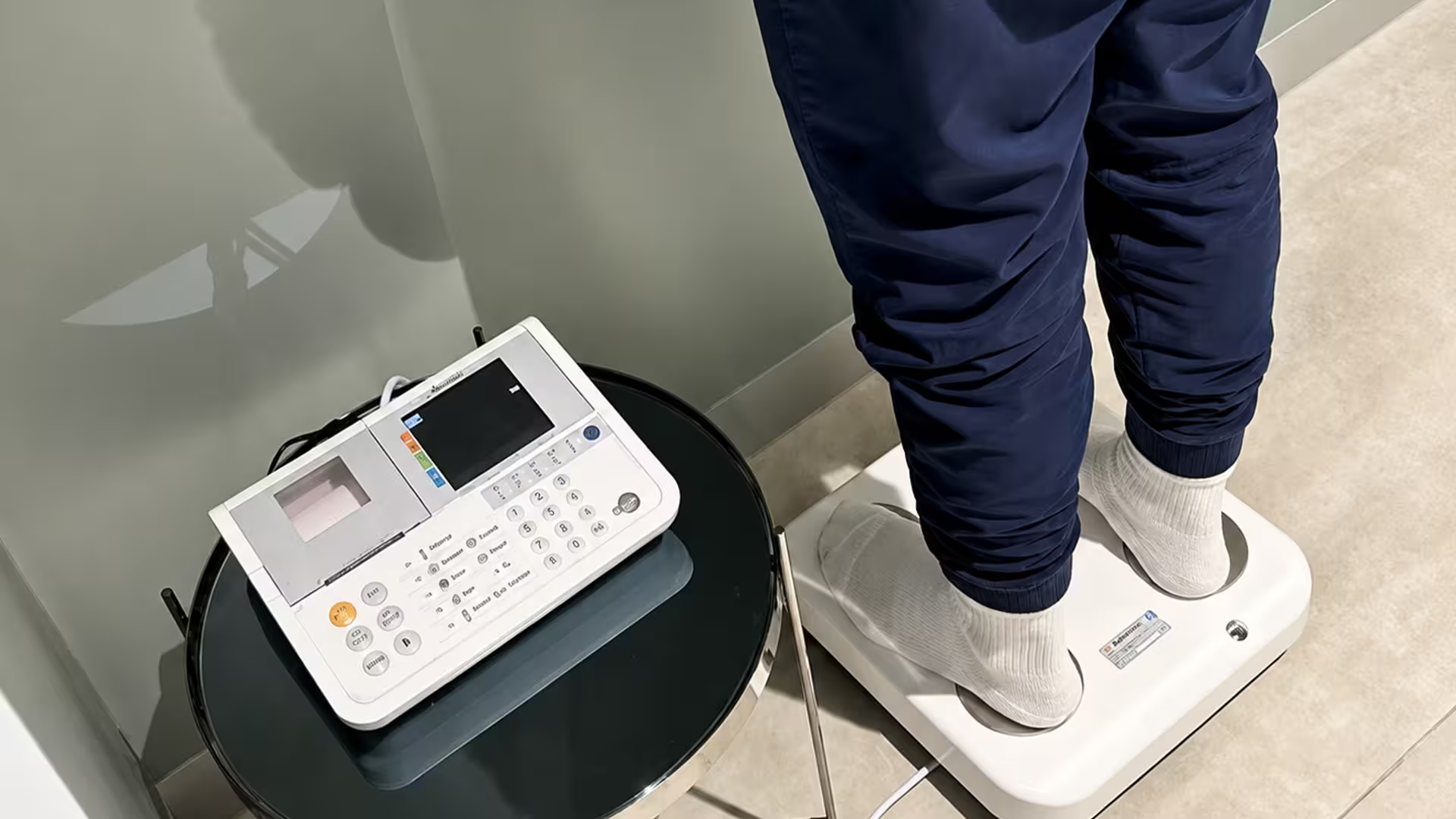
Obesity and fatty liver disease are closely linked. Weight loss is one of the most effective ways to manage fatty liver disease because it directly reduces the amount of fat stored in the liver. When excess body weight accumulates, particularly around the abdomen, the liver is more likely to store excess fat. Over time, this can lead to inflammation, liver damage and progression of the disease.
Losing weight helps the body use and remove stored fat, including fat within liver cells. As liver fat levels decrease, inflammation may improve, liver function can recover, and the risk of developing more serious liver conditions, such as fibrosis or cirrhosis, may be reduced.
Weight loss also helps address many of the underlying risk factors associated with fatty liver disease. Improvements in blood sugar control, cholesterol levels and blood pressure can reduce the ongoing strain placed on the liver and support long-term liver health.
Even modest weight loss can make a meaningful difference. Research shows that losing as little as 5% to 10% of body weight may significantly reduce liver fat and improve markers of liver inflammation. Combined with a balanced diet and regular physical activity, sustainable weight loss remains a cornerstone of fatty liver disease management.
Best diet for fatty liver disease
A healthy diet plays a key role in managing fatty liver disease by supporting liver function and helping reduce the buildup of excess fat in the liver. Choosing nutrient-dense foods can improve metabolic health, reduce inflammation and support gradual, sustainable weight loss. A balanced eating pattern that includes vegetables, fruits, whole grains, lean proteins and healthy fats provides the nutrients the liver needs to function effectively while limiting foods that contribute to fat accumulation.
Reduce sugar and processed foods
Reducing sugar and highly processed foods is one of the most important dietary changes for fatty liver disease. Excess sugar, particularly fructose found in soft drinks, sweets and many packaged foods, can increase liver fat by promoting the production and storage of fat within the liver.
Processed foods are often high in added sugars, refined carbohydrates and unhealthy fats, which may contribute to weight gain and worsen insulin resistance. Limiting sugary drinks, confectionery, pastries, fast food and heavily processed snacks can help reduce liver fat and support overall liver health.
Fatty liver diet planning
Creating a structured meal plan can help maintain healthy eating habits over the long term. A well-balanced meal plan supports diet consistency by helping people make healthier choices, manage portion sizes and avoid relying on convenience foods.
When planning meals, focus on including plenty of vegetables, lean protein sources, high-fibre carbohydrates and healthy fats at each meal. Preparing meals in advance, keeping healthy snacks available and following a regular eating pattern can help support weight management and improve adherence to dietary changes. Consistency is often more important than perfection when making lifestyle changes to support the management of fatty liver disease.
Certain foods may help support liver function and reduce inflammation when included in a balanced diet. Interestingly, only 5% of Australian adults eat the recommended amount of fruit and vegetables each day.
Foods commonly recommended for fatty liver disease include:
- leafy green vegetables
- berries
- wholegrains
- oily fish
- nuts and seeds
- olive oil
- legumes
- high-fibre foods
Drinking enough water and reducing added sugar intake may also support digestion, blood sugar control and liver health. A Mediterranean diet rich in fibre, healthy fats and lean protein may help protect the liver and reduce the risk of heart and metabolic health complications.
Ready to take the next step?
Understanding fatty liver disease is the first step towards improving your liver health. With the right support, lifestyle changes and medical guidance, many people can successfully reduce liver fat and improve their long-term health outcomes.
Exercise and lifestyle changes
Regular exercise is one of the most effective ways to reduce liver fat and improve overall liver health. When combined with healthy eating habits, physical activity can help reverse fatty liver disease, support weight loss and lower the risk of long-term liver damage.
Exercise can help:
- Reduce liver fat
- Support healthy weight loss
- Improve blood sugar levels
- Lower high blood pressure
- Improve cholesterol levels
- Reduce the burden on the liver
- Lower the risk of heart disease
Both aerobic exercise and strength training are beneficial. Walking, cycling, swimming and resistance training can all help improve metabolic health and support fat loss.
Focus on resistance training alongside cardio exercise
Cardiovascular exercise, such as walking, cycling, and swimming, supports heart health and calorie expenditure. However, resistance training also plays an important role in healthy weight management.
Resistance training may help:
- improve muscle mass
- increase metabolic rate
- support blood sugar control
- improve balance and bone health
- reduce excess body fat
Examples of resistance training include:
- free weights
- resistance bands
- bodyweight exercises
- medicine balls
- water-based resistance exercise
Combining resistance training with regular physical activity may help improve fatty liver disease and support long-term metabolic health. Regular exercise and resistance training may help the body burn more energy and support healthy metabolic function.
Follow a sustainable approach to healthy eating
Restrictive diets as a lifestyle intervention are often difficult to maintain long-term. Instead, focus on a balanced eating plan that supports gradual weight loss and provides adequate nutrition. Over time, this will help prevent or reverse fatty liver disease.
A healthy diet for fatty liver disease may include:
- vegetables and legumes
- wholegrains
- lean protein
- healthy fats
- high-fibre foods
Many specialists recommend limiting:
- processed foods
- refined carbohydrates
- sugary drinks
- deep-fried foods
- excess saturated fats
Simple dietary swaps may also help. For example, choosing brown rice instead of white rice may increase fibre intake and help you feel fuller for longer.
Make healthy lifestyle changes
In addition to exercise and diet, other healthy habits can help protect the liver:
- Get adequate sleep
- Manage stress levels
- Limit alcohol consumption
- Stay physically active throughout the day
- Follow advice from your doctor
Together, these changes support liver function and improve overall wellbeing.
For some people with fatty liver disease, ongoing inflammation can progress to a more serious condition called non-alcoholic steatohepatitis (NASH). Over time, this may cause liver scarring and increase the risk of cirrhosis of the liver, liver cancer and liver failure.
Taking action early may help reduce damage caused by fatty liver and improve long-term outcomes.
Monitor your liver health
Regular medical reviews can help track your progress and identify potential concerns early. Your doctor may recommend:
- Blood tests
- Liver function tests
- Monitoring liver enzymes
- Imaging scans
- A liver biopsy in some cases
If you have concerns about nonalcoholic fatty liver disease, talk to your doctor about appropriate treatment options, weight loss programs and lifestyle strategies tailored to your needs.
Use body composition tracking instead of focusing only on weight
Traditional scales only measure body weight and may not reflect positive changes in muscle mass or body fat percentage.
Some people find body composition or metabolic scales helpful because they provide additional information about:
- muscle mass
- body fat percentage
- metabolic rate
- overall body composition
As muscle mass improves and body fat reduces, metabolism may become more efficient, even if overall body weight changes slowly.
Tracking these improvements may help people stay motivated throughout their weight loss journey.
What to avoid with fatty liver
Avoiding certain foods, drinks and lifestyle habits is an important part of managing fatty liver disease. Some factors can increase liver fat, worsen inflammation and accelerate liver damage over time.
Avoid alcohol
Alcohol damages the liver and can worsen existing liver disease. Even small amounts may place additional stress on an already compromised liver.
If you have fatty liver disease, your doctor may recommend limiting or completely avoiding alcohol to help prevent further liver damage and support recovery.
Limit sugary foods and drinks
Foods and beverages high in added sugar can increase liver fat and contribute to weight gain. Common sources include:
- Soft drinks
- Energy drinks
- Fruit juices with added sugar
- Lollies and confectionery
- Cakes, biscuits and pastries
Reducing sugar intake can help lower liver fat levels and improve overall metabolic health.
Cut back on highly processed foods
Many processed foods contain excess sugar, refined carbohydrates, unhealthy fats and added calories that can worsen fatty liver disease.
Foods to limit include:
- Fast food
- Fried foods
- Packaged snack foods
- Processed baked goods
- Highly processed convenience meals
Replacing these foods with whole, nutrient-dense alternatives can help protect the liver and support weight loss.
Avoid excess saturated and trans fats
Diets high in saturated and trans fats may contribute to fat accumulation in the liver and increase cholesterol levels.
Common sources include:
- Fatty cuts of meat
- Processed meats
- Deep-fried foods
- Commercial baked products
- Some takeaway foods
Choosing healthier fats from sources such as fish, nuts, seeds and olive oil may support better liver health.
Avoid skipping meals and overeating
Irregular eating patterns may lead to overeating later in the day and make healthy weight management more difficult.
Some people find that regular, balanced meals help manage hunger levels, energy and portion control more effectively.
It can also help to:
- eat slowly and mindfully
- choose realistic portion sizes
- avoid distracted eating while watching TV or working
- plan meals ahead of time
Small, sustainable habits are often more effective than extreme dieting. Highly restrictive weight loss programs are often difficult to maintain and may lead to unhealthy eating patterns or rapid weight fluctuations. Check out the Eat for Health guidelines on healthy eating.
When to seek medical advice
Fatty liver disease often develops without obvious symptoms, which is why regular medical monitoring is important. A healthcare provider can monitor liver health, assess disease progression and recommend appropriate treatment strategies based on your individual risk factors.
- You may be at greater risk of fatty liver disease if you have:
- Excess weight or obesity
- Type 2 diabetes
- High cholesterol
- High blood pressure
- A family history of liver disease
Because fatty liver and weight are closely linked, early assessment can help identify problems before significant liver damage occurs.
Our personalised service
Moonee Valley Specialist Centre provides specialist-led liver assessment services, including non-invasive FibroScan technology that measures liver stiffness and fatty change without surgery or lengthy recovery times.
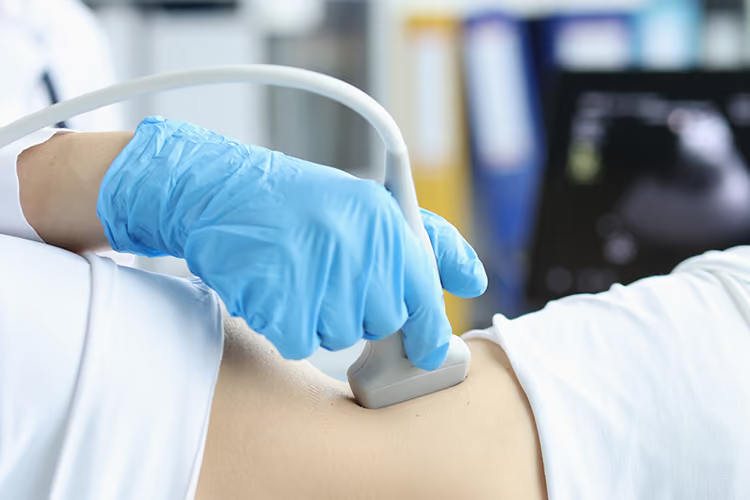
Non-invasive liver assessment using FibroScan technology to detect liver disease and monitor liver health quickly and accurately.
Frequently asked questions
Can fatty liver disease be reversed with weight loss?
In many cases, early-stage fatty liver disease may improve with healthy weight loss and lifestyle changes. Losing around 5% to 10% of body weight may help reduce liver fat and improve liver inflammation. However, more advanced liver scarring may not always be reversible, which is why early assessment and treatment are important.
Is exercise important for fatty liver disease?
Yes. Regular physical activity may help reduce liver fat, improve metabolic health and support healthy weight management. Combining cardio exercise with resistance training is often recommended for long-term health benefits.
Can fatty liver disease cause serious liver damage?
Yes. In some cases, fatty liver disease may progress to liver inflammation, fibrosis, cirrhosis or liver failure if left untreated. Early diagnosis and lifestyle changes may help reduce the risk of long-term liver damage.
How is fatty liver disease diagnosed?
Fatty liver disease may be identified through:
- blood tests
- liver function tests
- ultrasound imaging
- FibroScan testing
- specialist assessment
These tests help assess liver health and determine whether inflammation or liver scarring is present.
This article is intended for general educational purposes only and should not be considered medical advice. The information provided does not replace consultation, diagnosis or treatment from a qualified healthcare professional.


Registered nurse and director focused on patient support, education and delivering a welcoming, family-oriented care experience.