

Key Takeaways
- Haemochromatosis causes the body to absorb too much iron from food.A haemochromatosis diet may help reduce iron absorption alongside medical treatment.Red meat, iron-fortified foods and vitamin C supplements may increase iron uptake.Venesection is one of the most common treatments for hereditary haemochromatosis.Early diagnosis may help reduce the risk of liver damage and other complications.
Too much iron in the body can lead to serious health complications over time. Learn how a tailored haemochromatosis diet, iron reduction strategies and specialist treatment may help manage iron overload safely.
What is haemochromatosis?
Hereditary haemochromatosis is one of the most common genetic conditions affecting iron regulation in Australia. The condition causes the body to absorb more dietary iron than it needs, increasing iron stores over time and potentially damaging organs if left untreated.
Haemochromatosis is a condition where the body absorbs and stores too much iron. In people with hereditary haemochromatosis, the body cannot properly regulate iron absorption, leading to excess iron accumulation over time. This iron overload may affect the liver, pancreas, heart, joints and other organs if left untreated.
Iron is an essential nutrient that helps your body produce haemoglobin, which carries oxygen through the bloodstream. However, excess iron can be harmful when the body stores more than it needs.
A carefully managed haemochromatosis diet may help reduce iron absorption and support healthy iron levels alongside ongoing treatment.
What causes high iron levels?
High iron levels are most commonly caused by hereditary haemochromatosis, where inherited genetic changes increase iron absorption from food.
However, elevated iron stores may also occur due to:
- Repeated blood transfusions
- Excessive iron supplementation
- Chronic liver disease
- Some metabolic conditions
- Certain blood disorders
- Alcohol-related liver disease
Many people are first diagnosed after abnormal iron studies or elevated ferritin levels are identified during routine blood testing.
Signs and symptoms of too much iron
Symptoms of haemochromatosis often develop gradually and may vary depending on iron levels and organ involvement.
- Common symptoms may include:
- Ongoing fatigue
- Joint pain
- Abdominal discomfort
- Brain fog or mood changes
- Reduced libido
- Irregular periods
- Bronze or grey skin pigmentation
- Elevated liver enzymes
- Unexplained liver abnormalities
- Weakness or reduced exercise tolerance
Many symptoms of iron overload are nonspecific and may overlap with those of other conditions. Some people may not develop noticeable symptoms until significant iron accumulation has already occurred.
Can a scan detect haemochromatosis?
While scans cannot diagnose hereditary haemochromatosis itself, liver scanning may help assess whether excess iron has affected the liver.
At Moonee Valley Specialist Centre, FibroScan® technology may be used to assess liver stiffness and identify possible liver damage associated with iron overload.
FibroScan is a non-invasive liver scan that provides fast results without surgery or hospital admission. It may help support:
- Early liver disease detection
- Ongoing liver monitoring
- Treatment planning
- Assessment of fibrosis or fatty liver disease
Understanding liver scans
FibroScan technology provides a fast, non-invasive way to assess liver health in people with elevated iron levels or suspected haemochromatosis.
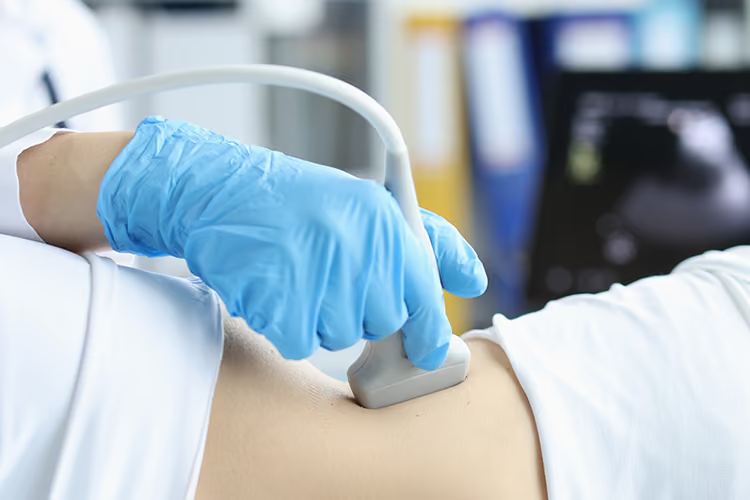
Non-invasive liver assessment using FibroScan technology to detect liver disease and monitor liver health quickly and accurately.
What treatment options are available for haemochromatosis?
Treatment aims to lower iron stores before complications develop. Management depends on iron levels, symptoms and whether organ damage has occurred.
Venesection
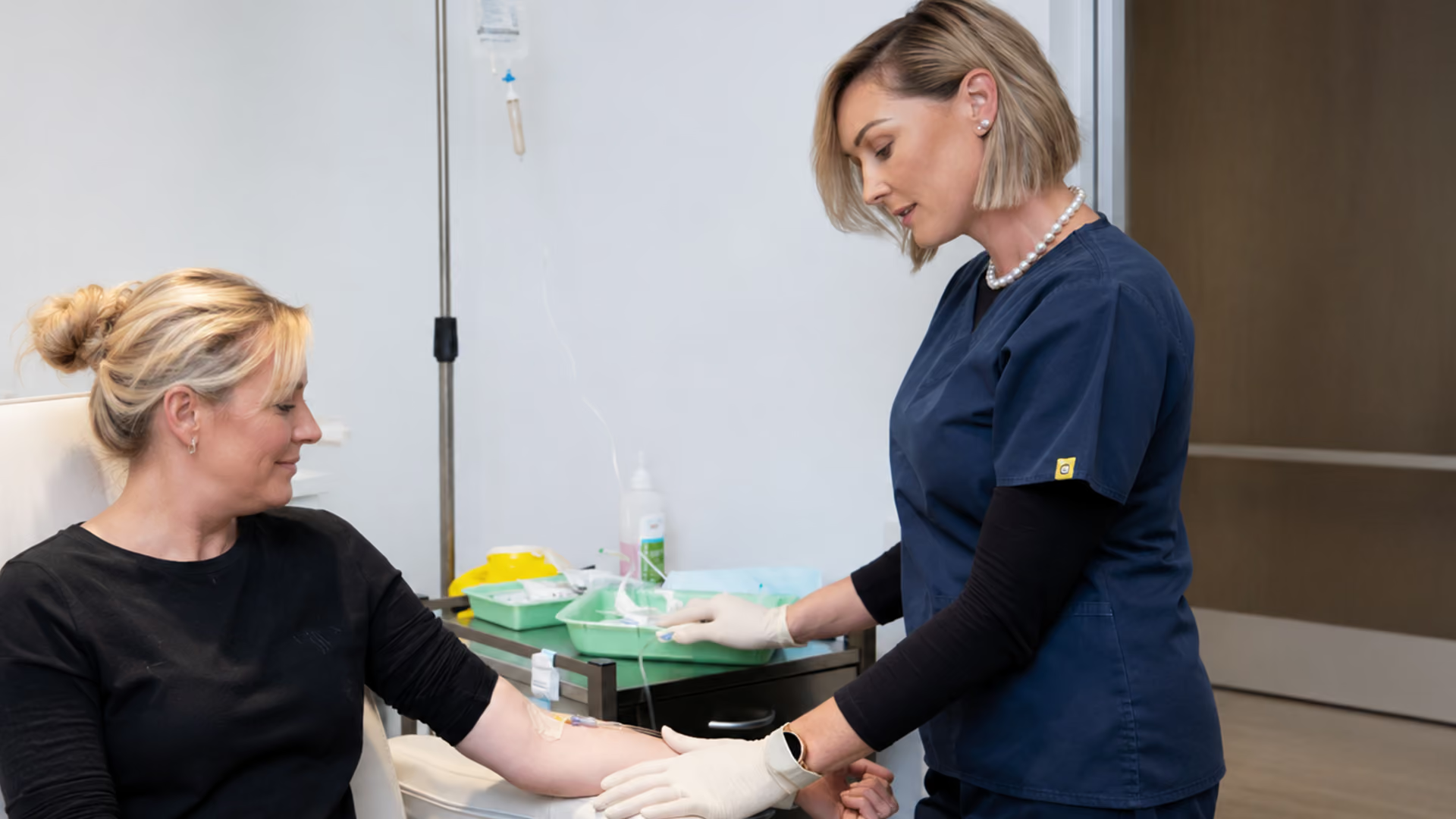
Venesection involves removing blood regularly to lower iron stores. The process is similar to donating blood and remains one of the most common treatments for hereditary haemochromatosis.
Some people may initially require weekly venesection until ferritin levels stabilise.
Chelation therapy
Chelation therapy uses medication that binds excess iron, allowing it to be removed from the body. This treatment is typically used in specific situations where venesection may not be suitable.
Ongoing monitoring
Regular blood tests help monitor ferritin levels, transferrin saturation and treatment progress over time. Ongoing monitoring may also help identify early signs of liver damage or other complications.
How to lower iron levels effectively
Reducing iron overload usually requires a combination of medical treatment, monitoring and practical lifestyle strategies.
Helpful approaches may include:
- Following specialist treatment recommendations
- Attending regular blood testing
- Avoiding unnecessary iron supplements
- Limiting excess alcohol intake
- Managing red meat intake
- Avoiding high-dose vitamin C supplements unless medically advised
- Supporting liver health through diet and lifestyle
Diet alone is usually not enough to treat haemochromatosis. Ongoing medical management is often required.
How can a tailored diet help with haemochromatosis?
A haemochromatosis diet focuses on reducing iron absorption while maintaining balanced nutrition.
The goal is not to completely eliminate iron-containing foods unless specifically advised by a specialist. Instead, dietary changes aim to reduce excessive iron absorption and support long-term management.
Foods to eat to lower iron levels
Some foods may help reduce iron absorption when eaten alongside iron-rich foods.
These may include:
- Tea and coffee
- Dairy products
- Whole foods rich in calcium
- Plant-based foods that contain only non-heme iron
While diet alone cannot treat haemochromatosis, practical diet tips may help lower iron absorption and support ongoing treatment.
The goal is not to create a low-iron diet unless specifically advised by your doctor. Instead, dietary changes aim to decrease iron absorption and help reduce iron levels safely over time.
Foods to avoid with haemochromatosis
People with haemochromatosis may be advised to limit iron-rich foods that are high in heme iron absorption, including:
- Red meat
- Liver and offal
- Iron-fortified or enriched foods
- Some processed breakfast cereals
This does not mean completely avoiding foods that contain iron. Instead, the goal is to limit the amount of iron the body absorbs while maintaining a healthy diet.
What reduces iron absorption?
Certain nutrients and dietary combinations may reduce the amount of iron the body absorbs.
Potential iron absorption inhibitors include:
- Calcium
- Tea polyphenols
- Coffee compounds
- Some fibre-rich foods
Vitamin C may increase iron absorption, particularly when consumed alongside iron-rich foods.
Best diet strategies for liver health in haemochromatosis
Protecting liver health is an important part of managing haemochromatosis, particularly when iron overload affects liver tissue.
Helpful liver health strategies may include:
- Maintaining a balanced diet
- Reducing excess alcohol intake
- Managing weight and metabolic health
- Monitoring liver function regularly
- Following specialist recommendations
- Addressing fatty liver disease where relevant
People with haemochromatosis may also benefit from ongoing liver monitoring, particularly if ferritin levels remain elevated.

Tip: People with haemochromatosis should not eliminate iron completely without medical advice. A balanced diet remains important for overall health.
Avoiding complications
Iron overload does not usually cause damage overnight. In many people, excess iron builds slowly over several years before complications become noticeable. Without diagnosis and treatment, stored iron may gradually affect major organs, including the liver, pancreas, heart and joints.
The liver is often one of the first organs affected. Ongoing iron accumulation may contribute to inflammation, fatty liver disease, fibrosis or cirrhosis over time. Some people may also develop diabetes, hormonal changes, chronic fatigue, heart problems or worsening joint pain as iron levels continue to rise.
The good news is that many complications associated with haemochromatosis may be reduced or slowed with early diagnosis, regular monitoring and appropriate treatment.
How to prevent haemochromatosis complications
Managing haemochromatosis is usually an ongoing process rather than a once-off treatment. Long-term care focuses on keeping iron levels within a safer range while monitoring for signs of organ stress or liver damage.
Regular blood tests are often used to track ferritin levels and transferrin saturation over time. Many patients also benefit from ongoing liver assessment, particularly if iron levels have remained elevated for an extended period.
Lifestyle factors may also play an important role. Reducing excess alcohol intake, avoiding unnecessary iron supplementation and following a balanced diet may help support liver health and reduce additional strain on the body.
Attending follow-up appointments and continuing specialist care, even after iron levels improve, may help support long-term health outcomes and reduce the risk of future complications.
When should you seek medical advice?
Some people with haemochromatosis have no obvious symptoms in the early stages. Others may experience vague or ongoing health changes that are easy to overlook.
It may be worth speaking with your GP or specialist if you have persistent fatigue, abnormal iron studies, elevated ferritin levels or unexplained liver test abnormalities. Joint pain, digestive symptoms and a family history of haemochromatosis may also warrant further investigation.
Early assessment may help identify iron overload before significant organ damage develops, particularly in people with inherited risk factors or ongoing liver concerns.
Why choose Moonee Valley Specialist Centre
Managing haemochromatosis often requires ongoing monitoring, clear guidance and access to experienced specialists. At Moonee Valley Specialist Centre, patients receive personalised care focused on diagnosis, treatment, and long-term support for liver health.

Specialist-led gastroenterology and liver care
Our clinic is led by experienced gastroenterologists and hepatologists with expertise in digestive health, liver conditions and iron-related disorders. Patients benefit from specialist assessment, evidence-based treatment and ongoing monitoring tailored to their individual needs.
Access to advanced FibroScan® technology
We provide non-invasive FibroScan® liver scans to assess liver stiffness and identify potential liver damage from iron overload. This technology helps support earlier diagnosis and treatment planning without invasive procedures.

Clear explanations and personalised support
We understand that abnormal iron studies and liver results can feel overwhelming. Our team focuses on providing clear explanations, practical guidance and personalised treatment plans to help patients feel informed and supported throughout their care.

Streamlined care and ongoing monitoring
From consultations and liver scans to follow-up care, we aim to make the process as straightforward as possible. Patients have access to ongoing monitoring, regular reviews and coordinated specialist support to help manage haemochromatosis effectively over time.
FAQ: haemochromatosis diet and treatment
What causes haemochromatosis?
Haemochromatosis is usually caused by inherited gene mutations that affect how the body regulates iron absorption. In hereditary haemochromatosis, the body absorbs more iron than it needs, leading to excess iron accumulation over time.
What foods should people with haemochromatosis avoid?
People with haemochromatosis may be advised to limit foods high in iron, including red meat, liver, offal, and iron-fortified products. It may also be helpful to avoid excessive alcohol and unnecessary iron supplements.
Foods rich in iron do not always need to be eliminated completely, but managing iron intake may help reduce iron overload alongside medical treatment.
Does vitamin C increase iron absorption?
Yes. Iron and vitamin C consumed together may enhance iron absorption, particularly from iron-rich foods. For this reason, many people with haemochromatosis are advised to avoid vitamin C supplements unless their doctor recommends them.
However, fruits and vegetables containing vitamin C remain important as part of a varied diet and usually have only a small effect on iron levels when consumed normally.
Can diet alone treat haemochromatosis?
No. A haemochromatosis diet may help manage iron intake and support healthy iron levels, but diet alone is usually not enough to treat iron overload.
Medical treatments for haemochromatosis, including venesection and ongoing blood monitoring, are commonly required to safely lower total iron stores.
Can haemochromatosis cause iron deficiency anaemia?
Haemochromatosis and iron deficiency anaemia are different conditions. However, iron levels can occasionally become too low during treatment if iron is removed too aggressively.
This is why regular blood tests and specialist monitoring are important for persons with iron overload receiving treatment.
How can we help?
If you have elevated iron levels or concerns about haemochromatosis, early assessment may help identify iron overload and guide treatment. Our specialists provide personalised care, liver scanning and ongoing support.
Disclaimer
This information is general in nature and is not intended as medical advice, diagnosis or treatment. Always speak with your GP or specialist about your individual health concerns, symptoms or treatment options.
Meet the team
Moonee Valley Specialist Centre is led by an experienced team of gastroenterology and liver health professionals focused on providing clear, supportive and personalised patient care.
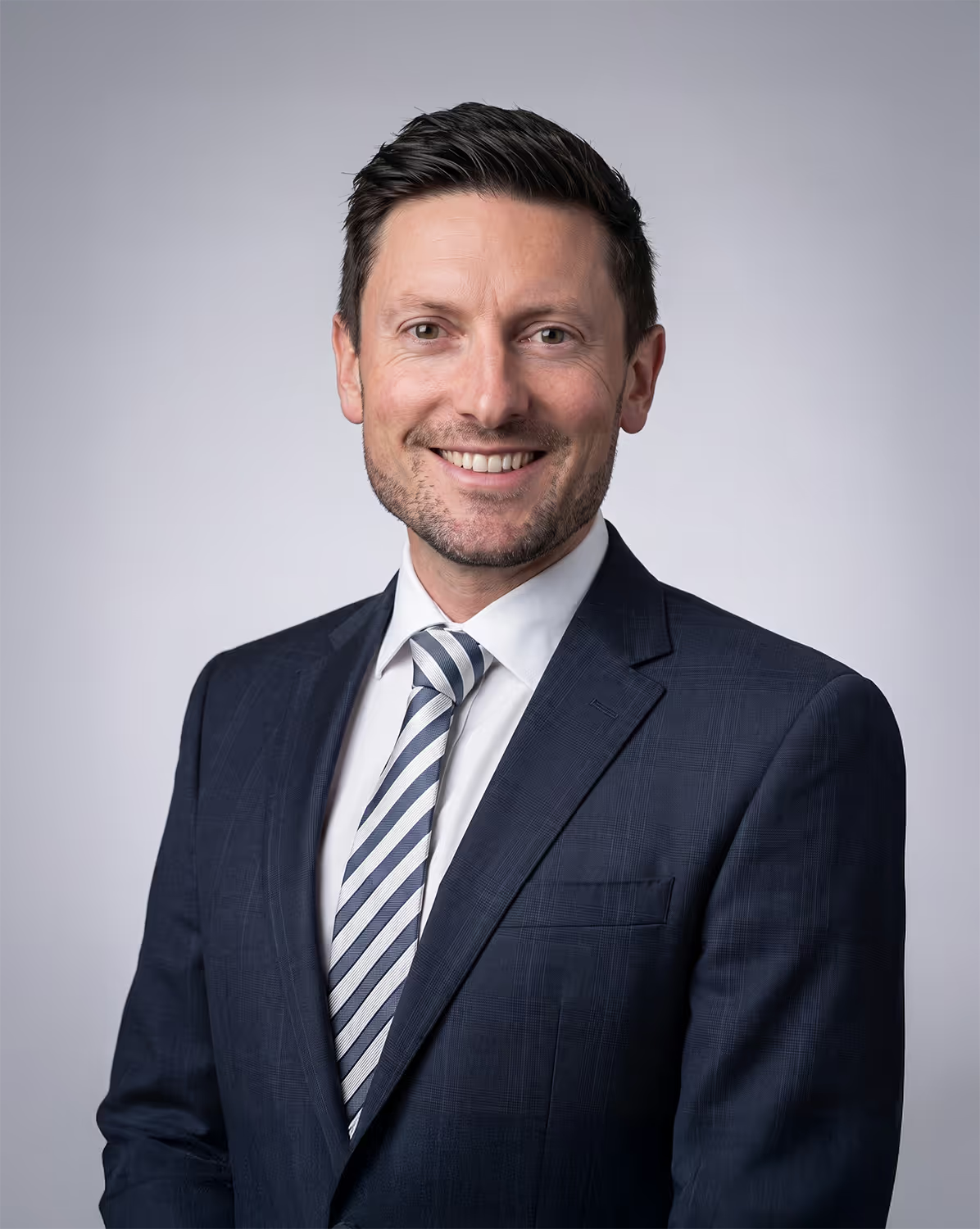
Dr Matthew Mickenbecker
Friendly and thorough gastroenterologist focused on clear explanations, personalised treatment and high-quality endoscopy procedures.
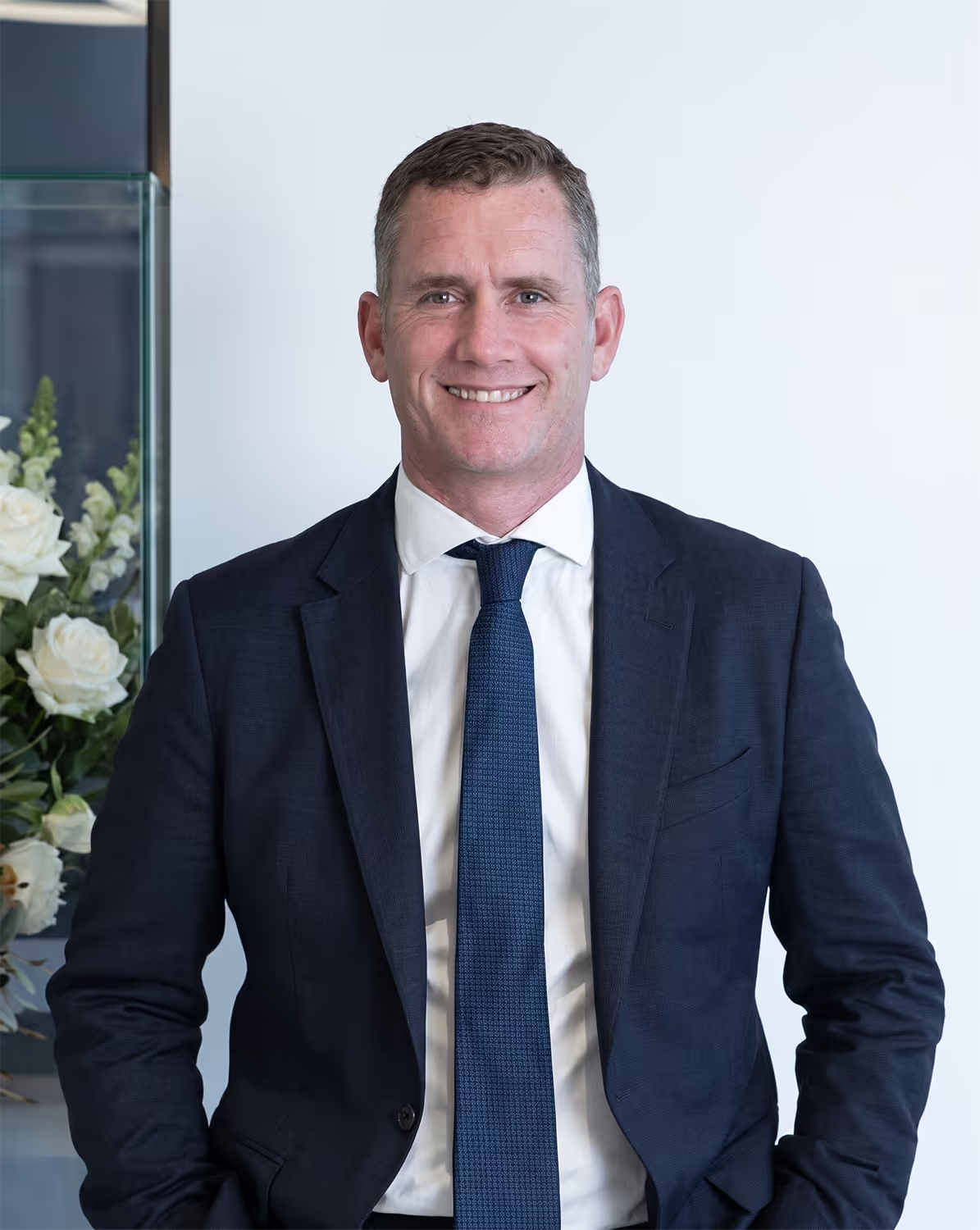
Dr Nathan Connelly
Experienced specialist with expertise in liver disease and functional gut disorders, providing endoscopy and patient-centred care since 2011.
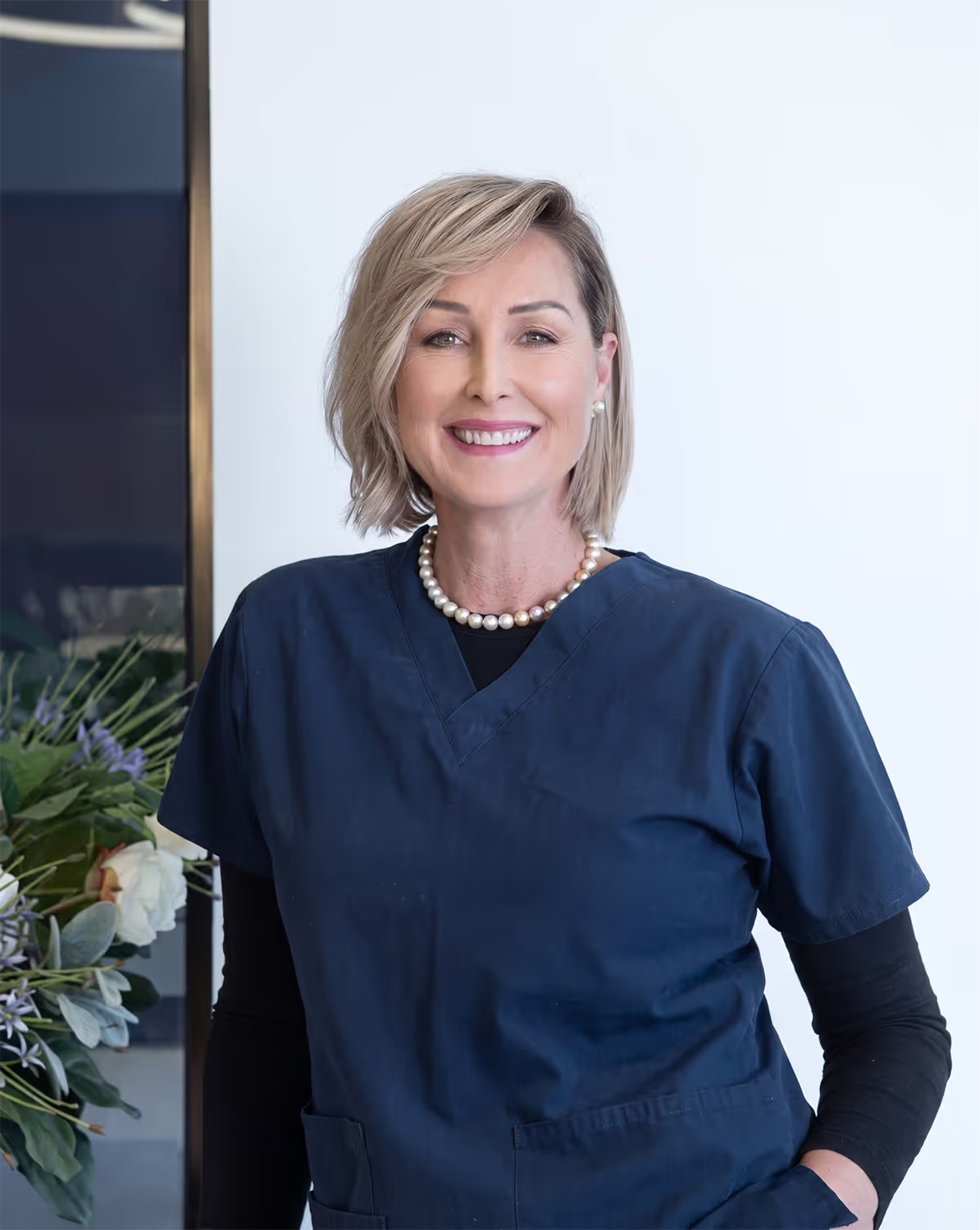
Nicole Starbuck-Connelly
Registered nurse and director focused on patient support, education and delivering a welcoming, family-oriented care experience.

Registered nurse and director focused on patient support, education and delivering a welcoming, family-oriented care experience.