


Expert gastroscopy services in Melbourne
If you're experiencing upper abdominal pain or difficulty swallowing, a gastroscopy can help. Our Melbourne gastroenterology specialists provide accurate diagnosis using advanced endoscopy techniques.
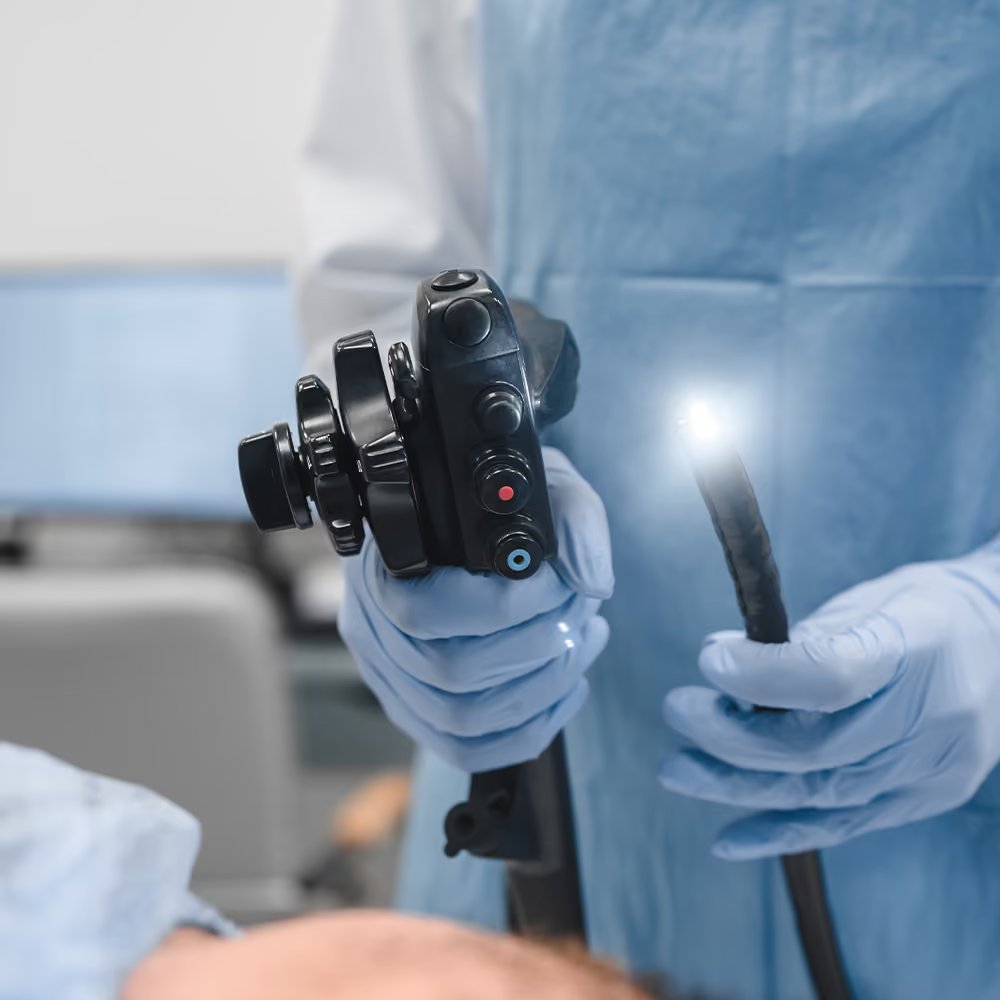


What is a gastroscopy?
A gastroscopy is a minimally invasive procedure that uses a thin, flexible tube with a camera to examine the upper GI tract. This test helps specialists find causes of nausea, bleeding, or abdominal pain and may include a biopsy.
When you may need a gastroscopy test
A gastroscopy may be recommended to investigate upper gastrointestinal symptoms, nutritional deficiencies or conditions affecting the oesophagus, stomach and duodenum.

Symptoms to watch for
A gastroscopy can help investigate persistent symptoms and identify possible causes in the upper gastrointestinal tract.
- Upper abdominal pain, persistent reflux or heartburn.
- Difficulty swallowing, nausea or ongoing vomiting.
- Melaena or other signs of gastrointestinal bleeding.

Risk factors to consider
Certain conditions or abnormal test results may warrant further investigation with a gastroscopy.
- Iron deficiency, iron deficiency anaemia or unexplained vitamin B12 deficiency.
- Suspected coeliac disease or hiatus hernia.
- Persistent reflux that may require assessment for Barrett’s oesophagus.

Screening and monitoring
Gastroscopy may also be used to monitor known conditions or identify complications affecting the upper digestive tract.
- Monitoring Barrett’s oesophagus or other reflux-related changes.
- Checking for oesophageal varices in people with cirrhosis.
- Follow-up of known upper gastrointestinal conditions.

Tissue samples and further testing
During a gastroscopy, your specialist may take small tissue samples to support an accurate diagnosis and guide treatment.
- Biopsy to assess suspected coeliac disease or other abnormalities.
- Further investigation of unexplained iron or vitamin B12 deficiency.
- Tissue testing to help confirm the cause of upper gastrointestinal symptoms.
What can a gastroscopy detect?
A gastroscopy can detect and help treat conditions affecting the upper GI tract, including inflammation, bleeding, and disease in the oesophagus, stomach and duodenum.

What happens during a gastroscopy procedure
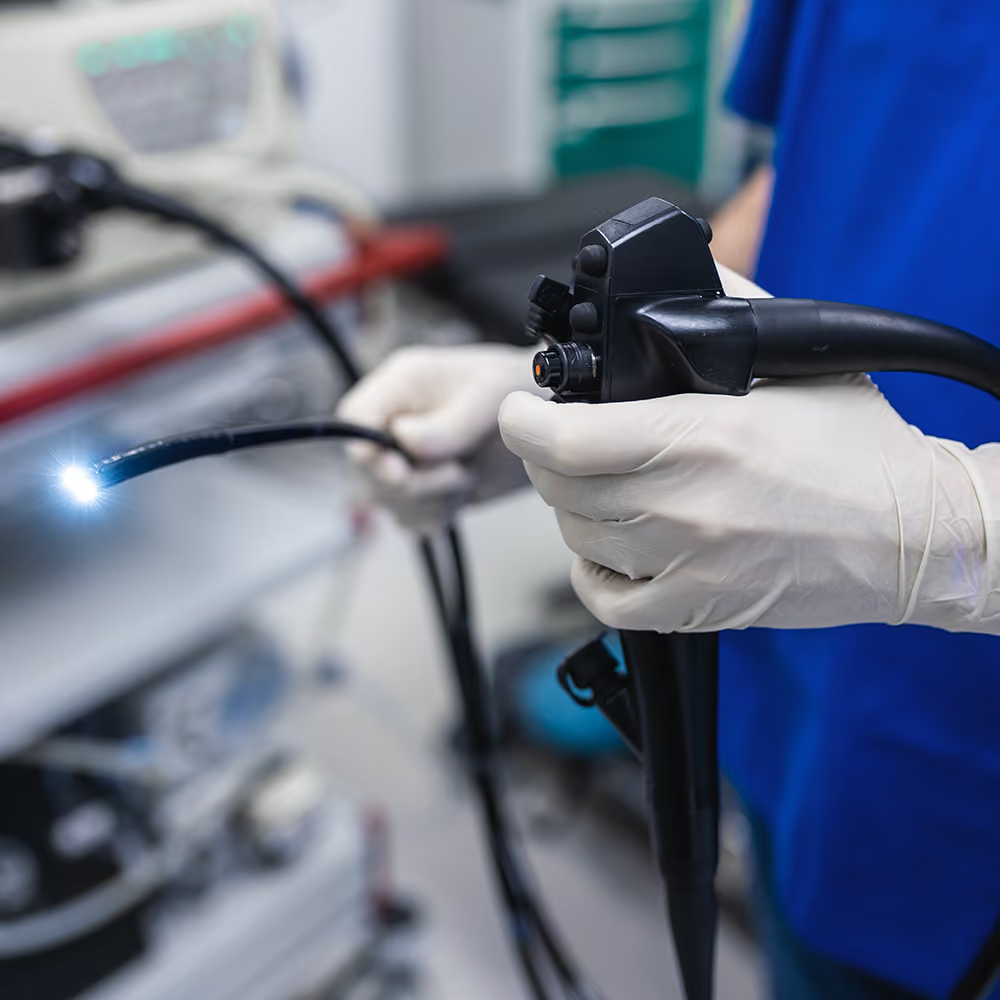
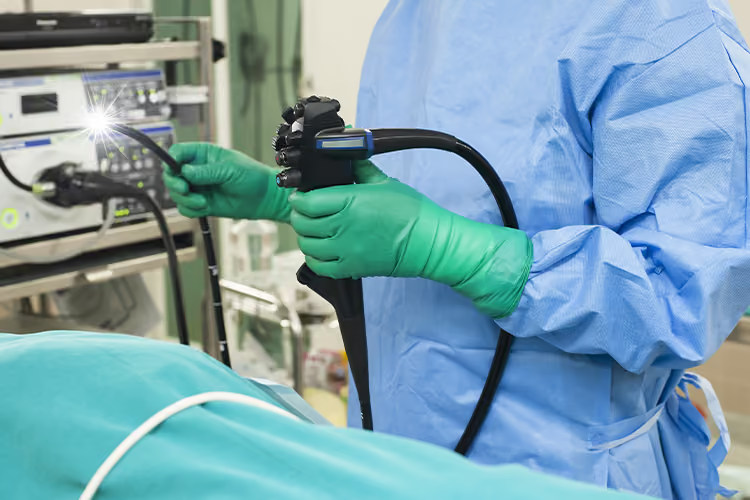
Gastroscopy is usually performed using a thin flexible tube with a camera. The procedure is quick, safe, and performed under specialist guidance, with sedation or local anaesthetic.
Preparation and sedation
You’ll receive a local anaesthetic throat spray or sedation to keep you comfortable during the procedure.
Inserting the gastroscope
A thin, flexible tube with a camera is guided through the mouth into the upper gastrointestinal tract.
Examination and recovery
The specialist examines the tract, may take biopsies, and then you rest briefly in a recovery area.
What to expect from your gastroscopy test
Understanding what to expect before, during, and after a gastroscopy can help you feel better prepared and more confident about the procedure.
Before procedure

Before procedure
You will need to prepare by avoiding food or drink for several hours. Follow your specialist’s instructions on diet, medications, and prep.
During procedure
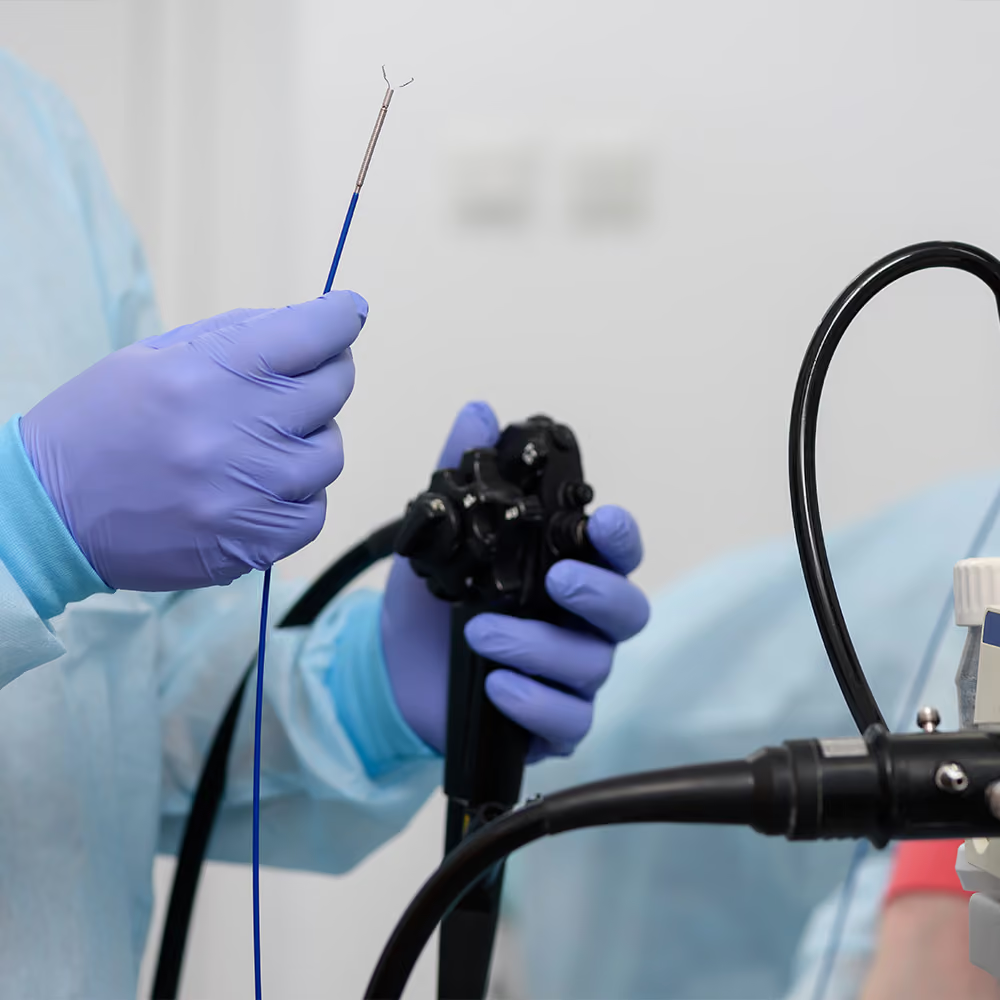
During procedure
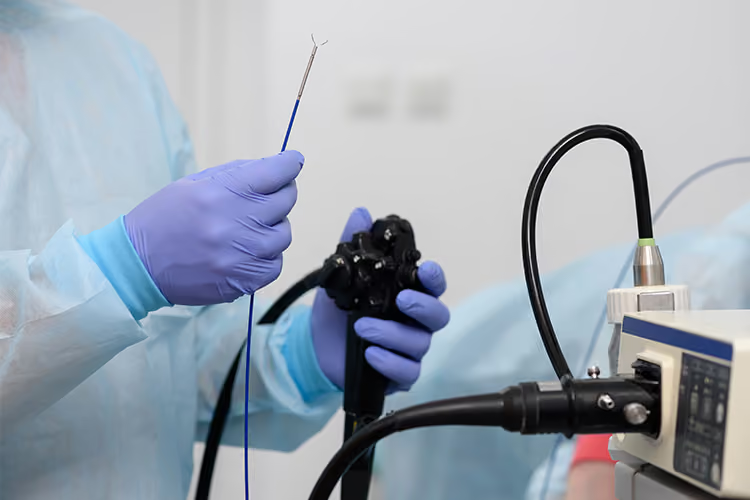
Gastroscopy is performed using an endoscope with a video camera. Sedation or a local anaesthetic helps keep you comfortable throughout.
After procedure
After procedure
You’ll be monitored in a recovery area until the sedation wears off. Most patients go home the same day.
Recovery aftercare

Recovery aftercare
Avoid driving a car or operating machinery for 24 hours after sedation. Mild side effects, such as bloating or throat discomfort, may occur.
Results and follow-up
Results and follow-up
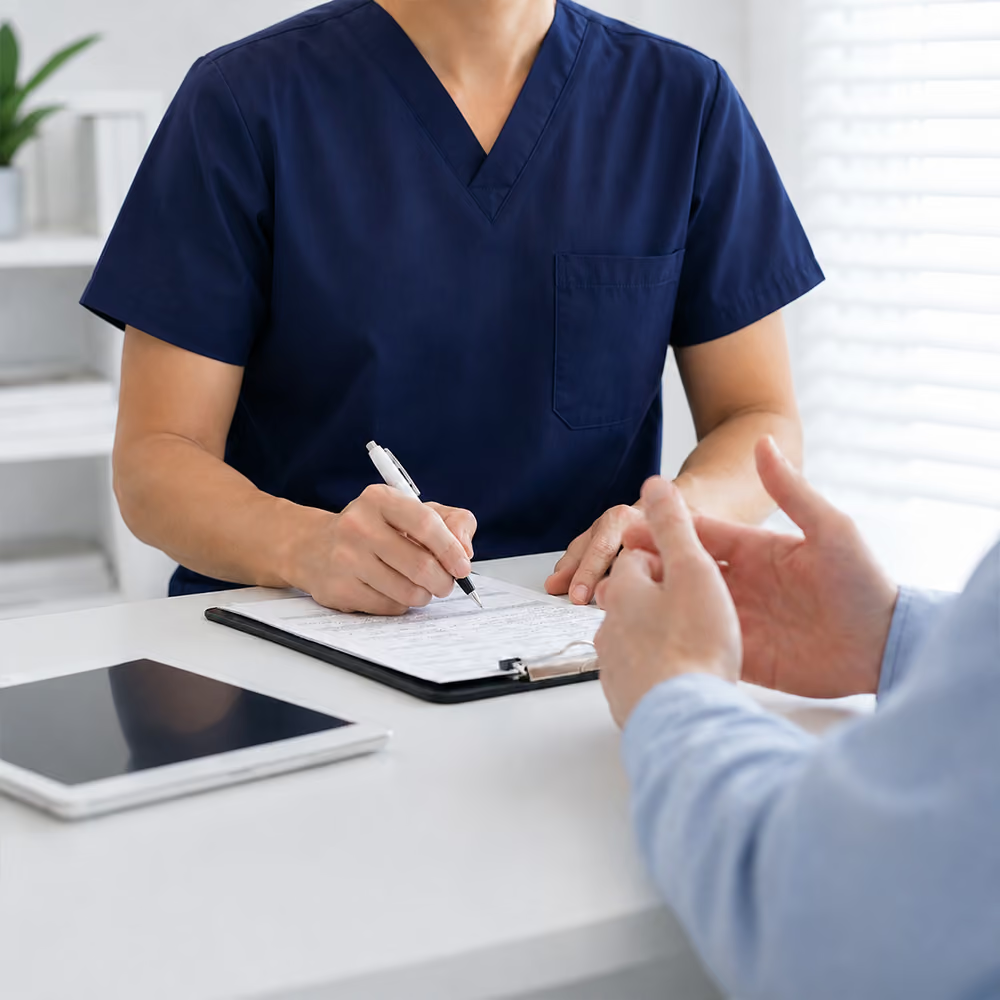
Your specialist may discuss initial findings on the day. Biopsy results can take time and guide further management if needed.
When to seek medical advice
When to seek medical advice
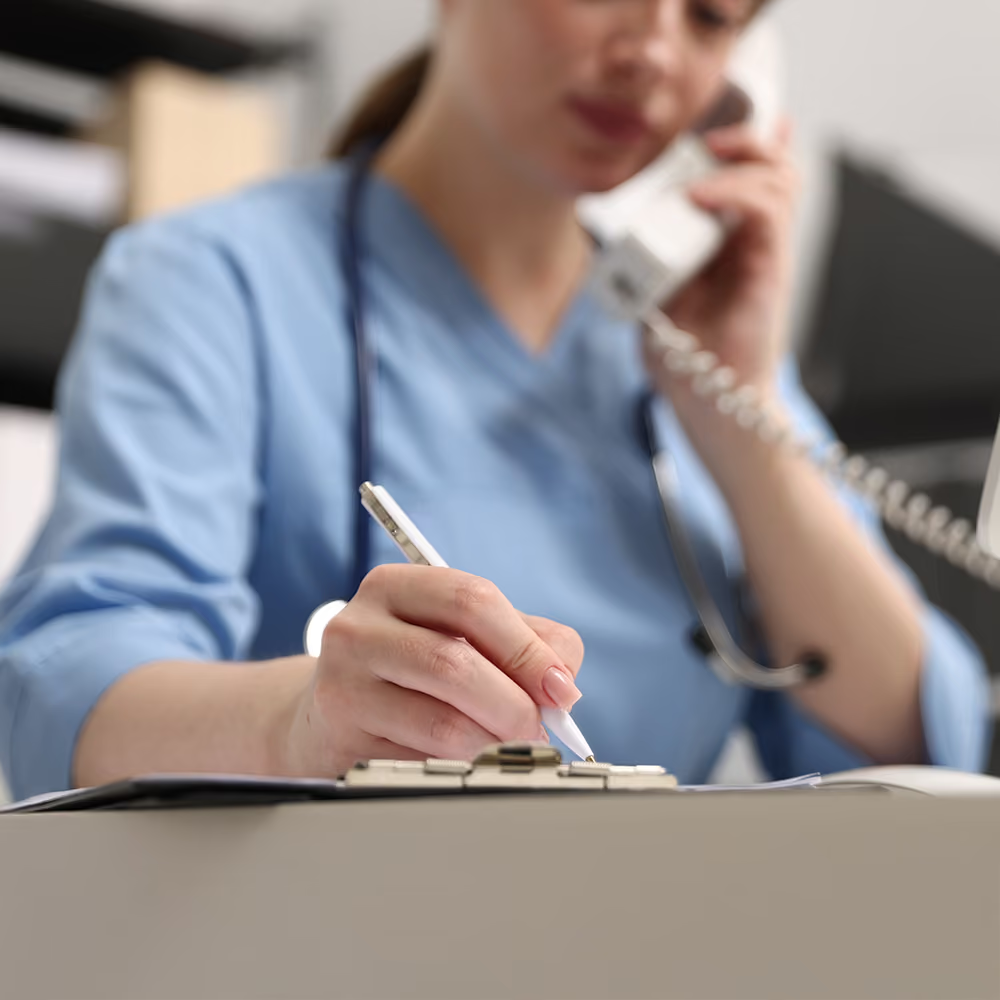
Contact your physician if you have severe pain, persistent vomiting, or unusual symptoms after the procedure.

Before procedure
You will need to prepare by avoiding food or drink for several hours. Follow your specialist’s instructions on diet, medications, and prep.
Procedure preparation
Proper preparation helps ensure accurate results. You’ll need to follow fasting instructions and discuss medications before your gastroscopy.
Advantages of upper endoscopy
Gastroscopy offers a fast, accurate way to diagnose and, in some cases, treat conditions affecting the upper gastrointestinal tract.

Accurate diagnosis of symptoms
Gastroscopy allows specialists to directly visualise the upper GI tract, helping them identify the causes of pain, bleeding, or digestive issues.

Minimally invasive procedure
Upper endoscopy is less invasive than surgery, using a thin, flexible tube to safely examine the digestive system.

Ability to treat during procedure
In some cases, procedures like dilatation or polyp removal can be performed during the same gastroscopy.

Quick procedure and recovery
Gastroscopy is usually completed in a short time, with most patients returning home the same day after recovery.
Risks and safety of gastroscopy
Gastroscopy is generally safe when performed by experienced specialists. Understanding potential risks and safety measures helps you feel informed.
Risks to be aware of
Gastroscopy is generally a safe procedure, but like any medical test, it carries some risks. These are uncommon and usually mild when managed early.
- You may experience temporary throat irritation, bloating, or discomfort after the procedure.
- Minor bleeding can occur, especially if biopsies or polyp removal are performed during gastroscopy.
- Sedation may cause side effects, particularly in patients with heart or lung disease.
Safety and patient care
Strict safety standards are followed to ensure your gastroscopy is performed safely and comfortably.
- Procedures are carried out by trained specialists using advanced equipment and established clinical protocols.
- Your medical history, including medications and conditions, is reviewed to reduce risks and ensure suitability.
- You are closely monitored throughout the procedure and recovery to ensure a safe outcome.
Schedule your gastroscopy appointment today
Our Melbourne specialists are here to help. Enquire today to schedule your gastroscopy and receive expert care.
Why choose us for gastroscopy in Melbourne
Our team provides reliable, patient-focused services using modern techniques and a strong focus on comfort and care.

Specialist-led care
Your gastroscopy is performed by experienced specialists focused on accurate diagnosis and personalised treatment.

Advanced endoscopy technology
We use modern equipment, including high-quality video camera systems, to assess the upper gastrointestinal tract.

Patient-first approach
We prioritise comfort, clear communication, and support before, during and after your gastroscopy.

Comprehensive digestive care
Our team supports diagnosis, treatment, and follow-up care across a range of gastrointestinal conditions.
Accredited gastroenterology services
We follow recognised clinical standards in Australia, ensuring your gastroscopy is performed safely by qualified healthcare professionals.





What our patients say about our clinical care
Patients trust our team for clear communication, supportive care, and a smooth gastroscopy experience from start to finish.
Professional memberships and networks
We maintain active memberships with leading medical organisations to support best practice and ongoing professional development.
Speak with our gastroscopy specialists today
Take control of your digestive health. Contact our team to arrange your gastroscopy with experienced Melbourne specialists.
Meet the team behind your care
Meet our experienced team providing expert gastroenterology care with a focus on comfort, clarity, and accurate diagnosis.




Doctor referral for gastroscopy services
We welcome GP and specialist referrals for gastroscopy. Contact our team to arrange timely appointments and coordinated patient care.
Related investigations and procedures
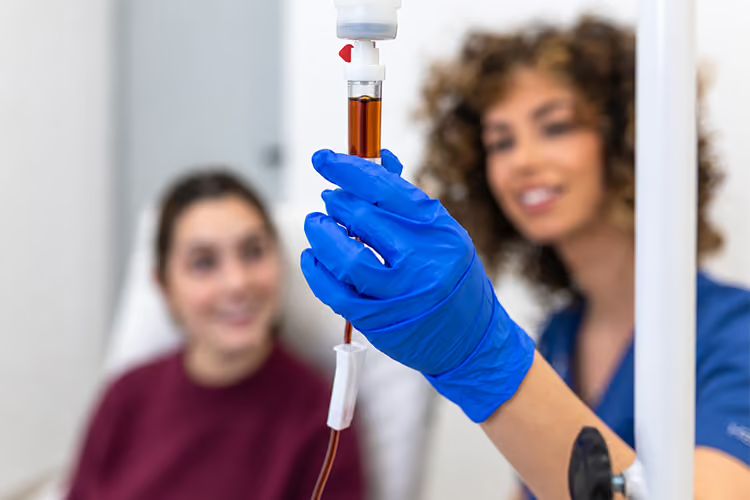
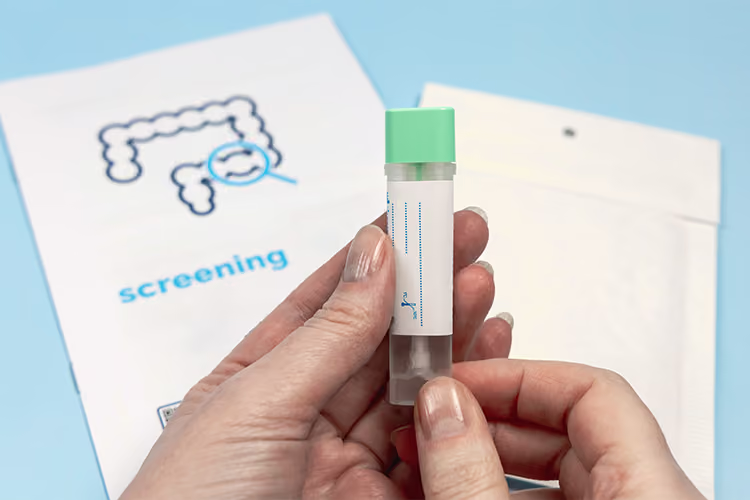
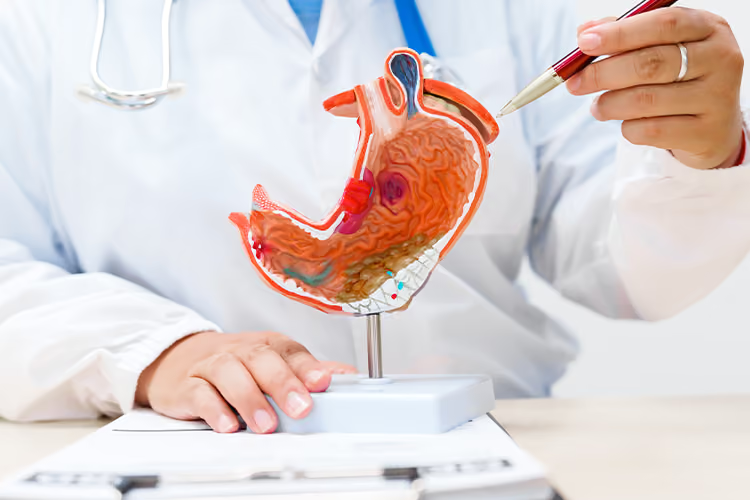
These services may be recommended alongside gastroscopy to investigate symptoms, support diagnosis and guide your treatment plan.


FAQs
Learn more about gastroscopy, including how to prepare, how long it takes, and what happens during recovery.
Is a gastroscopy the same as a colonoscopy?
No, a gastroscopy and colonoscopy examine different parts of the digestive system. A gastroscopy looks at the upper gastrointestinal tract, including the oesophagus, stomach and duodenum. A colonoscopy examines the lower bowel or large intestine. Your doctor will recommend the right test based on your symptoms.
How long does a gastroscopy take?
A gastroscopy is usually a quick procedure, often taking around 15 to 30 minutes. However, you should allow additional time for preparation and recovery in the clinic. Sedation is commonly used, so you may need time to rest in a recovery area before going home the same day.
Will I be sedated during the procedure?
Most gastroscopies are performed with sedation or a local anaesthetic throat spray to help you stay comfortable. Sedation helps you relax and reduces discomfort during the procedure. Your doctor will discuss the best option for you, especially if you have conditions such as heart or lung disease.
Does a gastroscopy hurt?
Gastroscopy is usually well tolerated. Most patients receive sedation or a local anaesthetic throat spray to reduce discomfort. You may feel mild pressure or a gagging sensation during the procedure, but this is brief. Sedation helps you stay relaxed, and many patients remember little or none of the test afterwards.
Can I eat or drink after a gastroscopy?
After the procedure, you can usually eat or drink once the effects of sedation or throat anaesthetic have worn off. Your specialist will provide advice based on your specific case. It’s common to start with light meals and return to your normal diet shortly after.
When can I return to normal activities?
Most patients recover quickly and can resume normal activities the next day. However, if sedation is used, you should not drive a car or operate machinery for at least 24 hours. Always follow your specialist’s aftercare advice for a safe recovery.
Get in touch with our specialists
Our team is here to assist with bookings, referrals, and general enquiries. Contact us by phone or online to arrange your appointment and receive expert support from our gastroenterology specialists.

Phone Consults: 8:00am - 6:00pm