

Key Takeaways
- Iron deficiency symptoms often develop gradually and may include tiredness, dizziness, breathlessness and difficulty concentrating.
- A blood test is the most reliable way to diagnose iron deficiency and identify its underlying cause.
- Treatment may include dietary changes, iron supplements or an iron infusion, depending on your iron levels and individual needs.
- Most people recover well with the right treatment, but follow-up is important to restore iron stores and prevent recurrence.
What is iron deficiency?
Iron deficiency is one of the most common nutritional deficiencies worldwide and can affect people of all ages. When your body doesn't have enough iron, it can't produce sufficient haemoglobin to help red blood cells carry oxygen around the body. This can leave you feeling tired, short of breath and unable to maintain your usual energy for daily life.
Recognising iron deficiency symptoms early is important because low iron levels can worsen over time and may signal an underlying health condition. This guide explains the common symptoms, who is most at risk, how iron deficiency is diagnosed and the treatment options that can help restore your iron levels.
What are the symptoms of iron deficiency?
Iron deficiency symptoms often develop gradually, especially when iron stores become depleted over time. Some people with low iron levels notice only mild symptoms at first, while others experience more significant effects as iron deficiency progresses to iron deficiency anaemia. Because these symptoms can have many causes, it's important to see your doctor for a blood test rather than self-diagnosing.
Common symptoms of iron deficiency include:
- Ongoing tiredness or fatigue that doesn't improve with rest
- Weakness or reduced energy for daily life
- Dizziness or light-headedness
- Breathlessness during normal activities
- Pale skin or paleness, particularly inside the eyelids
- Headaches
- Heart palpitations or a faster heartbeat
- Difficulty concentrating or feeling mentally "foggy"
- Cold hands and feet
- Reduced immune function, leading to more frequent infections
When your iron levels are low, your body cannot produce enough haemoglobin. Haemoglobin is the protein in red blood cells that helps carry oxygen throughout the body. As oxygen transport becomes less efficient, your muscles and organs receive less oxygen, making you feel tired, short of breath and less able to perform everyday activities.
Some people may also notice brittle nails, hair loss, sore tongue or unusual cravings for non-food items such as ice, although these symptoms are less common. Children who become iron deficient may experience behavioural or developmental changes, making early diagnosis particularly important.
If left untreated, iron deficiency can lead to low haemoglobin levels and iron-deficiency anaemia. Prompt diagnosis and treatment can restore your body's iron levels and help relieve symptoms before complications develop.
Who is most at risk of iron deficiency?
Iron deficiency is common and can affect anyone, but some people are at higher risk because they need more iron, lose more iron, or have difficulty absorbing iron from food. Identifying the cause of iron deficiency is an important part of diagnosis and treatment.
People at higher risk include:
- Women with heavy menstrual periods, as regular blood loss can gradually reduce iron stores.
- Pregnant women, because pregnancy increases the body's iron requirements to support the developing baby and placenta.
- Infants, children and teenagers need more iron during periods of rapid growth.
- People with a diet low in iron-rich foods, such as lean red meat, legumes and iron-fortified cereals.
- Vegetarians and vegans may need to pay closer attention to iron intake because plant-based iron is less readily absorbed by the body.
- People with gastrointestinal disorders, including coeliac disease, inflammatory bowel disease or those who have had bariatric surgery, which can interfere with iron absorption.
- People with chronic blood loss, including bleeding from stomach ulcers, bowel polyps, haemorrhoids or other gastrointestinal conditions.
- Older adults, who may develop low iron levels due to reduced dietary intake, chronic health conditions or slow, unrecognised blood loss.
Certain foods and drinks can also affect iron absorption. For example, tannins found in tea and coffee may interfere with iron absorption when consumed with meals, while vitamin C-rich foods can improve the body's ability to absorb iron from food.
If you're at increased risk or have symptoms of iron deficiency, your GP may recommend a blood test to assess your iron status, check for anaemia and identify the underlying cause. Finding and treating the cause of your iron loss is just as important as restoring your iron levels.
Iron deficiency during pregnancy
During pregnancy, your body needs more iron to support your growing baby, placenta and increased blood volume. If your iron intake doesn't meet these higher demands, you may become iron deficient or develop iron-deficiency anaemia. Fortunately, iron deficiency can usually be identified through routine antenatal blood tests and treated before it leads to more serious complications.
- Iron requirements increase significantly during pregnancy.
- Routine blood tests help monitor iron levels throughout pregnancy.
- Treatment depends on the severity of your deficiency and individual needs.
- Early diagnosis can help support the health of both mother and baby.
Why iron requirements increase
Pregnancy places extra demands on your body's iron stores because more iron is needed to produce additional red blood cells and support your baby's growth and development. If these increased requirements aren't met, your iron stores can gradually become depleted.
Symptoms to look out for
Many symptoms are similar to those experienced outside of pregnancy and may include:
- Tiredness or ongoing fatigue
- Dizziness
- Breathlessness
- Weakness
- Difficulty concentrating
Although some tiredness is expected during pregnancy, persistent or worsening symptoms should be discussed with your GP or obstetric care provider.
Why treatment is important
Left untreated, iron deficiency may increase the risk of:
- Maternal anaemia
- Preterm birth
- Low birth weight
Routine antenatal blood tests help identify low iron levels early so treatment can begin if needed.
Treatment options
Treatment depends on the severity of your iron deficiency. Many women can restore their iron levels through:
- Iron-rich foods
- Vitamin C-rich foods to improve iron absorption
- Prescribed iron tablets
If oral iron supplements aren't suitable or your iron levels need to be restored more quickly, your doctor may recommend an iron infusion.
If you're pregnant and think you may have iron deficiency, don't start iron supplements without medical advice. A blood test can confirm whether your iron levels are low and help your healthcare provider recommend the most appropriate treatment for you and your baby.

How is iron deficiency treated?
Treatment for iron deficiency depends on the cause of iron deficiency, the severity of your symptoms and your iron levels. While replacing your body's iron stores is important, identifying why you've become iron-deficient is equally essential. Your doctor may recommend dietary changes, iron supplements, an iron infusion or further investigations if chronic blood loss or another health condition is suspected.
- 01
Confirm the diagnosis
A blood test checks your iron status, haemoglobin levels and low iron stores to confirm iron deficiency or iron deficiency anaemia.
- 02
Identify the underlying cause
Your doctor investigates why iron is lost or why your body isn't absorbing enough iron. This may include assessing dietary intake, heavy menstrual periods, gastrointestinal disorders or chronic blood loss.
- 03
Replace your iron stores
Treatment may include iron-rich foods, iron tablets or an iron infusion, depending on your iron levels and how quickly they need to be restored.
- 04
Monitor your recovery
Repeat blood tests help confirm that treatment is working and your iron levels are improving. Ongoing monitoring may be recommended for people with recurrent iron deficiency.
Treating iron deficiency
At Moonee Valley Specialist Centre, our experienced team provides iron infusion treatment in a comfortable clinical setting after a thorough assessment.
Iron infusion treatment
Restore low iron levels with an iron infusion after assessment by our experienced specialist team.
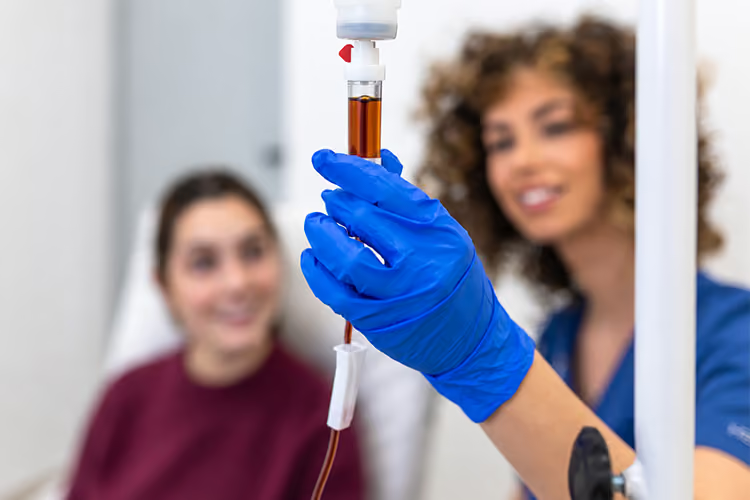
Fast and effective treatment for iron deficiency, delivered safely in a comfortable clinical setting by experienced staff.
How long does it take to recover from iron deficiency?
Recovery from iron deficiency varies depending on how low your iron levels are, the underlying cause and the treatment you receive. While some people notice their symptoms improve within a few weeks, fully restoring the body's iron stores often takes longer. Your doctor will recommend the most appropriate treatment based on your individual needs.
| Treatment | Typical recovery timeline |
|---|---|
| Iron tablets | Symptoms may begin to improve within 2 to 4 weeks, but treatment often continues for several months to fully replenish iron stores. |
| Iron infusion | Can restore iron levels more quickly than oral supplements and is often recommended when rapid treatment is needed or iron tablets aren't suitable. |
| Dietary changes | Help support healthy iron intake over time but are usually most effective alongside other treatments if significant iron deficiency is already present. |
Your doctor will usually arrange follow-up blood tests to monitor your haemoglobin levels and iron status. Even if you start feeling better, it's important to complete your recommended treatment and attend follow-up appointments to confirm your iron stores have recovered.
If your iron levels don't improve as expected, your doctor may investigate whether ongoing blood loss, poor iron absorption or another health condition is preventing recovery. Identifying and treating the underlying cause helps reduce the risk of iron deficiency returning.
When should you see a doctor?
You should see your GP if you're experiencing ongoing iron deficiency symptoms such as tiredness, dizziness, breathlessness or paleness, or if these symptoms are affecting your daily life. A blood test is the most reliable way to diagnose iron deficiency and check your iron levels.
It's also important to seek medical advice if you have heavy menstrual periods, notice blood in your stool (poo), have ongoing bowel symptoms or think you may not be getting enough iron from your diet. These can all be signs of an underlying cause that requires further investigation.
Avoid taking iron supplements without medical advice, as excessive iron can be harmful. Once the cause of your iron deficiency has been identified, your doctor can recommend the right treatment to restore your iron levels and help prevent iron deficiency from returning.
Learn more about iron deficiency assessment and treatment
If you're experiencing ongoing symptoms of iron deficiency or have recently been told your iron levels are low, our team can help identify the underlying cause and recommend the most appropriate treatment.
Frequently asked questions
Why is iron so important for your body?
Iron is an essential nutrient that your body uses to produce haemoglobin, the protein in red blood cells that carries oxygen. Without enough iron, your body can't support normal red blood cell production or many other bodily functions, which is why low iron can leave you feeling tired and unwell.
Can iron deficiency be cured?
In most cases, yes. Iron deficiency can often be treated successfully by restoring your iron levels and addressing the underlying cause. Treatment may include dietary changes, iron supplements or an iron infusion. If the cause of ongoing iron loss isn't identified, the deficiency may return.
How much iron do I need each day?
The amount of iron you need each day depends on your age, sex and stage of life. Pregnancy, heavy menstrual periods and certain health conditions can increase your iron requirements. Rather than taking supplements on your own, speak with your doctor if you're concerned you're not getting enough iron.
Which foods help increase iron intake?
Iron-rich foods include lean red meat, leafy green vegetables, legumes such as chickpeas and iron-fortified cereals. Pairing these foods with vitamin C-rich fruit or vegetables at mealtime can improve iron absorption and help support healthy iron levels.
Disclaimer
This article is intended for general educational purposes only and should not be considered medical advice. The information provided does not replace consultation, diagnosis or treatment from a qualified healthcare professional.


Registered nurse and director focused on patient support, education and delivering a welcoming, family-oriented care experience.