


Key Takeaways
- Iron deficiency in women is commonly caused by menstruation, pregnancy, poor dietary intake or conditions that reduce iron absorption.
- Symptoms such as fatigue, brain fog, hair loss and shortness of breath can develop before iron-deficiency anaemia occurs.
- Blood tests, including ferritin and iron studies, can identify low iron levels and help determine the underlying cause.
- Treatment may include dietary changes, oral iron supplements or iron infusions, depending on the severity of the deficiency and individual needs.
- Early diagnosis and appropriate treatment can restore healthy iron levels and help prevent recurring iron deficiency.
Iron deficiency in women is common and can affect your energy levels, concentration and overall well-being. Because the symptoms often develop gradually, it's easy to dismiss them as stress, a busy lifestyle or poor sleep until they begin to interfere with daily life.
The good news is that iron deficiency is usually identifiable through simple blood tests and, once the underlying cause is understood, can often be managed with the right treatment. This guide explains why women are particularly vulnerable to low iron levels, the symptoms to look out for, and the steps you can take to restore healthy iron levels.
Why iron deficiency is so common in women
Iron deficiency in women is common because iron requirements often change throughout life. Regular blood loss, increased iron demands and conditions that affect iron absorption can gradually reduce your body's iron stores.
Women of reproductive age are particularly at risk, although iron deficiency can occur at any stage of life. Identifying the underlying cause is an important part of treatment, as restoring iron levels without addressing the underlying cause of the deficiency may only provide temporary improvement.
Over time, ongoing iron loss can reduce ferritin levels before haemoglobin falls, meaning some women develop symptoms even before anaemia develops.
- Menstruation
- Dietary imbalance
- Malabsorption issues
- Pregnancy and breastfeeding
Menstruation
Menstruation is one of the leading causes of iron deficiency in women. Each menstrual cycle results in some iron loss, but women with heavy menstrual bleeding are at a much higher risk of becoming iron deficient over time. The greater the amount of blood lost each month, the harder it can be for the body to replace its iron stores through diet alone.
Dietary imbalance
Not getting enough iron from your diet can also contribute to low iron levels. This may occur in people who eat limited amounts of iron-rich foods, follow restrictive eating patterns or have higher iron requirements that are not met through nutrition alone. Including foods such as lean red meat, seafood, legumes, leafy green vegetables and iron-fortified cereals can help support healthy iron levels, particularly when paired with foods rich in vitamin C to improve absorption.
Malabsorption issues
Some women develop iron deficiency because their bodies cannot absorb iron efficiently, even when they consume enough iron. Coeliac disease, inflammatory bowel disease, previous gastrointestinal surgery and certain stomach conditions can interfere with iron metabolism and absorption. In these cases, oral iron supplements may not effectively restore iron levels, and further investigation is often needed to determine the underlying cause.
Pregnancy and breastfeeding
During pregnancy, the body needs significantly more iron to support the developing baby, the placenta, and the increased production of red blood cells. If these higher requirements are not met, iron deficiency and iron-deficiency anaemia can develop. Breastfeeding itself does not usually cause substantial iron loss, but women who begin the postpartum period with low iron stores may continue to experience iron deficiency if their levels are not monitored and treated when necessary.
Signs and symptoms to watch for
The symptoms of iron deficiency often develop gradually and can vary depending on how low your iron stores have become. Some women experience iron deficiency without anaemia, meaning they may still notice symptoms even though their haemoglobin remains within the normal range. If left untreated, ongoing iron deficiency can eventually reduce the body's ability to produce healthy red blood cells and lead to iron-deficiency anaemia.
Common symptoms of iron deficiency in women include:
- Persistent fatigue or reduced energy
- Brain fog or difficulty concentrating
- Shortness of breath during everyday activities
- Pale skin
- Hair thinning or increased hair loss
- Frequent headaches or dizziness
- Cold hands and feet
- Brittle nails
- Reduced exercise tolerance
- Heart palpitations in more severe cases
These symptoms can have many possible causes and do not always mean you have iron deficiency. If you're experiencing ongoing symptoms or have risk factors such as heavy menstrual bleeding or pregnancy, it's important to see your doctor for blood tests. Measuring your ferritin level and other iron studies can help assess your iron status and determine whether iron deficiency is contributing to your symptoms.
Ready to take the next step?
If you think iron deficiency could be affecting your health, don't ignore the symptoms. Our experienced specialists can investigate the cause, explain your treatment options and provide personalised care to help restore healthy iron levels.
What to do if you think you’re iron deficient

If you think you may have an iron deficiency, it's important not to rely on a home remedy or start taking iron without medical advice. While iron deficiency is the most common nutritional deficiency worldwide, the right treatment depends on determining the cause.
See a doctor for blood work
If you're experiencing symptoms or have risk factors for iron deficiency, book an appointment with your GP. Blood tests, such as a full blood count, ferritin and iron studies, can assess your iron status and identify whether you're iron deficient or have iron-deficiency anaemia. These tests may also help determine the cause of low iron and whether further investigation is needed.
Iron deficiency screening is not routinely recommended for everyone. However, women who menstruate, are pregnant, have heavy bleeding or are otherwise at higher risk of iron deficiency may benefit from testing as part of an annual physical or when symptoms develop.
Optimise your diet
Eating more iron-rich foods can help support healthy iron stores, particularly if your deficiency is mild. Include lean red meat, poultry, seafood, legumes, leafy green vegetables and iron-fortified cereals in your diet. Vitamin C-rich foods can improve iron absorption, while tea and coffee are best consumed separately from iron-rich meals.
Iron is essential for producing haemoglobin, the iron-containing protein in red blood cells that helps carry oxygen around the body. It also supports DNA synthesis, energy production and normal growth and development, making adequate iron intake important throughout every stage of life.
Explore supplementation
If dietary changes alone are not enough to treat iron deficiency, your doctor may recommend iron supplementation. Oral iron supplements are often the first treatment and may be taken every other day, as this schedule can improve absorption and reduce gastrointestinal side effects for some people. Depending on the type of supplement, taking iron on an empty stomach may increase absorption, although this is not suitable for everyone.
For moderate-to-severe iron deficiency, poor absorption, or situations where rapid treatment is needed, IV iron may be recommended. Iron infusions deliver iron directly into the bloodstream and can restore iron stores more quickly than oral supplements. Blood transfusion is generally reserved for severe anaemia or significant blood loss and is not a routine treatment for uncomplicated iron deficiency.
Your GP or specialist can recommend the most appropriate treatment based on your symptoms, blood test results and overall health. In more complex cases, referral to a gastroenterologist or haematologist may be appropriate to investigate persistent or unexplained iron deficiency.
Specialist care for iron deficiency
If oral iron isn't suitable or hasn't restored your iron levels, our experienced specialists assess your condition and provide iron infusions in a comfortable clinical setting.
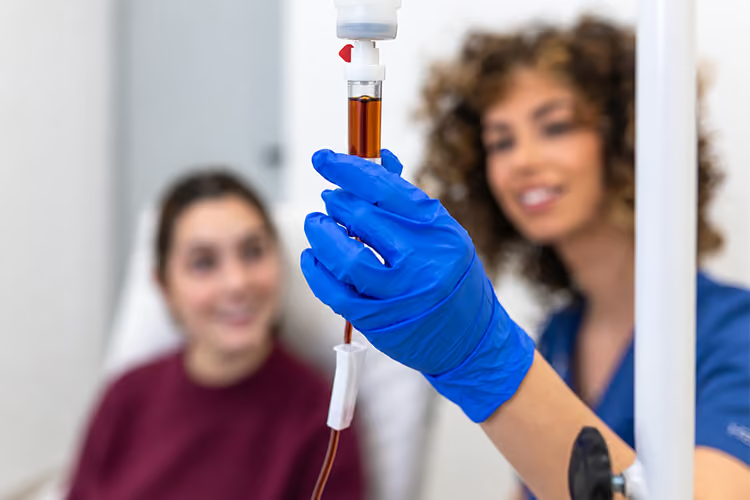
Iron infusion treatment
Receive specialist assessment and treatment to restore iron levels safely and efficiently.
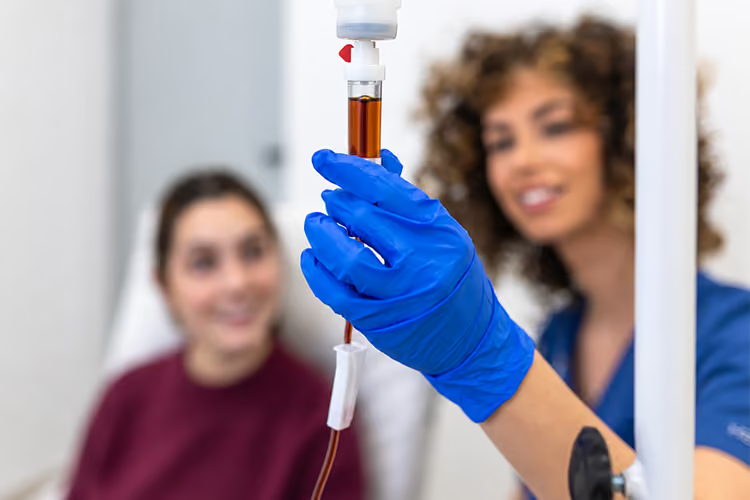
Fast and effective treatment for iron deficiency, delivered safely in a comfortable clinical setting by experienced staff.
Frequently asked questions
Why are young women more prone to iron deficiency?
Young women are at greater risk for iron deficiency because they often menstruate regularly while their iron needs remain high. Heavy periods, restrictive diets, intense physical activity and pregnancy can all increase the risk of iron deficiency. Women of reproductive age should speak with their doctor if they experience ongoing symptoms or have known risk factors.
What percentage of women are iron deficient?
Iron deficiency is one of the most common nutritional deficiencies worldwide. According to the World Health Organisation (WHO), around 30% of women aged 15–49 years are affected by anaemia globally, with iron deficiency being the leading cause. However, the proportion of women with iron deficiency varies between countries and population groups. Women of reproductive age remain one of the groups at highest risk due to menstruation, pregnancy and increased iron requirements.
Should postmenopausal women be concerned about iron deficiency?
Although the risk of iron deficiency generally decreases after menopause because menstrual periods stop, postmenopausal women can still become iron deficient. Digestive conditions, reduced iron absorption, or gastrointestinal blood loss may be contributing factors. New or unexplained iron deficiency after menopause should always be assessed by a doctor.
Can iron deficiency cause hair loss even if I don't have anaemia?
Yes. Low ferritin, which reflects your body's iron stores, has been associated with hair thinning in some women, even before iron deficiency leads to anaemia. If you're experiencing ongoing hair loss alongside fatigue or other symptoms, your doctor may recommend blood tests to assess your ferritin and iron levels.
Should all Australian women have routine screening for iron deficiency?
Routine screening for iron deficiency is not recommended for everyone. Instead, testing is usually advised for women with symptoms or recognised risk factors. Your GP can determine whether iron studies are appropriate based on your medical history, lifestyle and overall health.
Can iron deficiency return after treatment?
Yes. Iron deficiency can return if the underlying cause is not addressed. Heavy menstrual bleeding, pregnancy, digestive disorders and other ongoing factors may continue to reduce iron stores. Follow-up blood tests can help confirm that treatment has been successful and monitor your iron levels over time.
Disclaimer
This article is intended for general educational purposes only and should not be considered medical advice. The information provided does not replace consultation, diagnosis or treatment from a qualified healthcare professional.
Need immediate iron level assessment?
Experiencing ongoing fatigue or other symptoms? Our specialists can assess your iron levels and recommend the right treatment for your needs.


Registered nurse and director focused on patient support, education and delivering a welcoming, family-oriented care experience.