

Key Takeaways
- An upper endoscopy and a colonoscopy examine different parts of the digestive tract and are recommended for different symptoms.
- Both procedures are commonly performed with sedation and are generally well tolerated.
- A colonoscopy can detect and remove precancerous polyps, while capsule endoscopy is mainly used to examine the small intestine.
- Your gastroenterologist will recommend the most appropriate test based on your symptoms, medical history and risk factors.
- Early investigation of ongoing digestive symptoms can help diagnose conditions sooner and support better long-term digestive health.
If you've been told you need an endoscopy or colonoscopy, it's natural to wonder what the difference is. While both procedures use a flexible tube with a light and camera to examine parts of the digestive tract, they look at different areas and help diagnose different conditions. An upper endoscopy, also known as a gastroscopy, examines the upper digestive tract, while a colonoscopy examines the rectum and large intestine. Understanding the difference between an endoscopy and a colonoscopy can help you feel more prepared and know what to expect before your procedure.
What is the difference between an endoscopy and a colonoscopy?
Although the names are often used interchangeably, a colonoscopy is actually a specific type of endoscopy. The term endoscopy refers to a group of procedures that use a flexible tube with a camera to examine different parts of the body. A colonoscopy focuses specifically on the colon and rectum, while an upper endoscopy, or gastroscopy, examines the upper gastrointestinal (GI) tract.
Understanding this distinction can make it easier to see why your doctor may recommend one procedure over the other.
How do the procedures differ?
Although both procedures use a flexible tube with a camera to examine the digestive tract, the preparation and experience differ significantly.
| Upper endoscopy (gastroscopy) | Colonoscopy |
|---|---|
| Examines the oesophagus, stomach and duodenum | Examines the colon and rectum |
| The endoscope is passed through the mouth | The endoscope is inserted through the rectum |
| Requires fasting for several hours beforehand | Requires bowel preparation with a laxative and a clear liquid diet the day before |
| Usually takes 15 to 30 minutes | Usually takes 30 to 60 minutes |
| Often performed under light sedation | Commonly performed under sedation |
| Most people can return home the same day after recovery | Most people can return home the same day after recovery |
The biggest difference for most people is the preparation. Preparation for an endoscopy usually involves fasting for several hours before the procedure.
Preparing for a colonoscopy is more involved because the bowel must be completely emptied to provide optimal visibility during the examination. This bowel preparation is an important part of colon cancer screening and helps your gastroenterologist detect polyps and other abnormalities more accurately.
Endoscopy vs. colonoscopy: Which is more uncomfortable?
Many people are more concerned about comfort than the procedure itself. In reality, both endoscopy and colonoscopy are generally well tolerated because they're usually performed with sedation. Most people remember very little of the procedure and experience minimal discomfort.
An endoscopy procedure may cause a mild sore throat afterwards, while a colonoscopy can leave you feeling bloated or crampy for a short time because air or carbon dioxide is used to expand the bowel during the examination. These symptoms usually settle within a few hours.
For many patients, the most challenging part of a colonoscopy isn't the procedure itself but the bowel preparation. Drinking the prescribed laxative and following a clear liquid diet are essential for optimal visibility during the exam, helping your gastroenterologist identify precancerous polyps and other changes that could indicate colorectal cancer or other health conditions.
If tissue samples (biopsies) are taken during either procedure, you generally won't feel them being collected because the lining of the digestive tract has very few pain receptors. Your specialist will explain any findings and advise you on when the biopsy results are expected.
Colonoscopy vs. capsule endoscopy
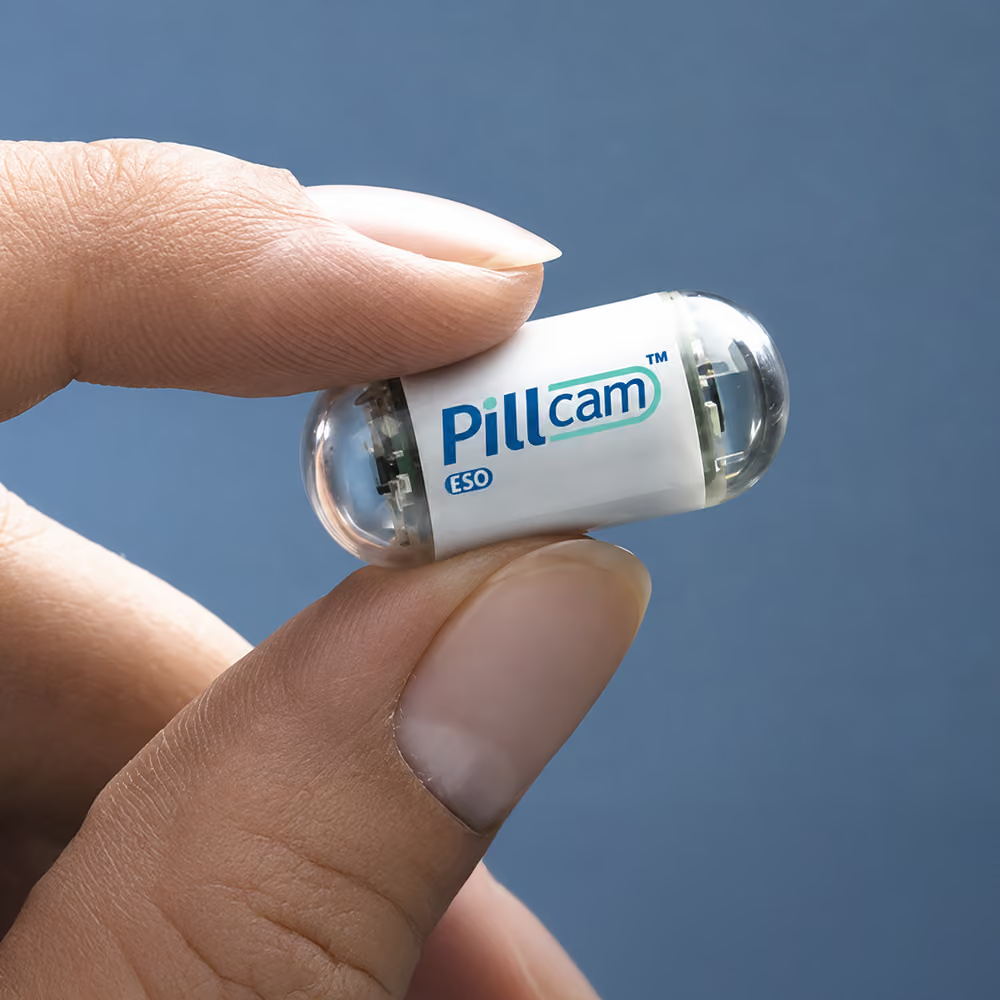
Although both procedures are used to assess digestive health, they examine different parts of the digestive system and aren't interchangeable. A capsule endoscopy involves swallowing a small capsule containing a camera, while a colonoscopy is a procedure that uses a flexible camera inserted through the rectum to examine the lower bowel.
Capsule endoscopy is particularly useful for assessing the small intestine, including areas that are difficult to reach with traditional upper endoscopy and colonoscopy. Your gastroenterologist may recommend it to investigate gastrointestinal bleeding, unexplained iron deficiency or other conditions affecting the part of the small intestine beyond the reach of a standard endoscope.
Because capsule endoscopy cannot remove precancerous polyps or collect tissue samples, it doesn't replace a colonoscopy. If the capsule identifies an abnormality, you may still need a colonoscopy so your specialist can confirm the diagnosis or provide treatment.
Which procedure might be right for you?
The right procedure depends on your symptoms, medical history and the part of your digestive tract that needs to be examined. While it's helpful to understand the difference between endoscopy and colonoscopy, your gastroenterologist will recommend the most appropriate investigation for your situation.
Your doctor may recommend an upper endoscopy if you have:
- Persistent heartburn or reflux
- Difficulty swallowing
- Persistent nausea or vomiting
- Upper abdominal pain
- Suspected ulcers or gastrointestinal bleeding
A colonoscopy may be recommended if you have:
- Blood in your stool
- Ongoing changes in bowel habits
- Unexplained abdominal pain
- A positive bowel screening test
- A family history of bowel cancer, or you're eligible for a colonoscopy at age 45 as part of screening recommendations
In some cases, you may need two procedures because they assess different areas of the gastrointestinal tract. An endoscopy is a procedure used to examine the upper part of the digestive system, while a colonoscopy examines the lower bowel. Together, they can help detect a wide range of digestive conditions and guide the most appropriate treatment.
Our colonoscopy service
At Moonee Valley Specialist Centre, our experienced gastroenterologists perform colonoscopies using modern equipment and evidence-based techniques to help diagnose conditions affecting the colon and rectum.
Expert colonoscopy for accurate diagnosis
Our gastroenterologists perform colonoscopies, biopsies and polyp removal with expert, personalised care.
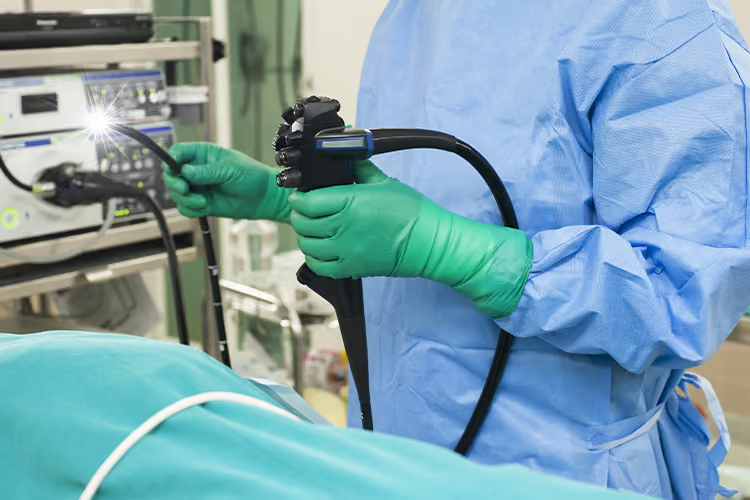
Diagnostic and preventative colonoscopy procedures to investigate symptoms and screen for bowel disease.
When should you speak to a gastroenterologist?
Many digestive symptoms are temporary, but ongoing or unexplained problems shouldn't be ignored. A gastroenterologist can determine whether an endoscopy or colonoscopy is appropriate based on your symptoms, medical history and risk factors.
You should consider seeing a gastroenterologist if you experience:
- Persistent or recurring abdominal pain
- Difficulty swallowing
- Ongoing heartburn or reflux that doesn't improve
- Blood in your stool or black, tarry stools
- Unexplained changes in bowel habits
- Unexplained weight loss
- Persistent nausea or vomiting
- Iron deficiency or gastrointestinal bleeding without a clear cause
- A family history of bowel cancer or inflammatory bowel disease
Since colonoscopy is specifically used to examine the lower bowel, and an upper endoscopy assesses the upper digestive tract, your specialist will recommend the most appropriate nonsurgical procedure based on your symptoms. In some cases, colonoscopy may also be recommended as part of bowel cancer screening, even if you don't have symptoms.
Early assessment can help detect digestive conditions sooner, rule out serious disease and provide reassurance if your symptoms are caused by a less serious condition.
Not sure which procedure is right for you?
If you’re experiencing ongoing digestive symptoms or have been referred for an endoscopy or colonoscopy, our team can help you understand your next steps. Speak with an experienced gastroenterologist at Moonee Valley Specialist Centre for personalised guidance, clear answers and supportive care.
Frequently asked questions
Can an endoscopy and colonoscopy be performed on the same day?
Yes. If your symptoms require examination of both the upper and lower digestive tracts, your gastroenterologist may recommend performing both procedures during the same appointment. This can reduce the need for separate bookings, sedation and recovery periods.
How long does it take to recover after an endoscopy or colonoscopy?
Most people go home the same day and return to their normal activities within 24 hours. If you've had sedation, you'll need someone to drive you home and should avoid driving, operating machinery or making important decisions until the effects have worn off.
Can I eat normally after an endoscopy or colonoscopy?
Most people can eat once the effects of sedation have worn off and their specialist confirms it's safe to do so. Your doctor may recommend starting with light meals and drinking plenty of fluids, particularly after a colonoscopy.
Are there any risks associated with endoscopy or colonoscopy?
Both procedures are considered very safe when performed by experienced gastroenterologists. As with any medical procedure, there is a small risk of complications, such as bleeding or perforation, particularly if a biopsy is taken or a polyp is removed. Your specialist will explain these risks before the procedure and discuss any concerns you may have.
Disclaimer
This article is intended for general educational purposes only and should not be considered medical advice. The information provided does not replace consultation, diagnosis or treatment from a qualified healthcare professional.


Registered nurse and director focused on patient support, education and delivering a welcoming, family-oriented care experience.