


Key Takeaways
- Most patients need to fast before an endoscopy procedure.
- Medication instructions may vary depending on your health condition.
- Recovery is usually quick, but sedation can affect you for the rest of the day.
- Soft, easy-to-digest foods are often recommended after the procedure.
- Contact your health professional if you develop severe pain, bleeding or other concerning symptoms.
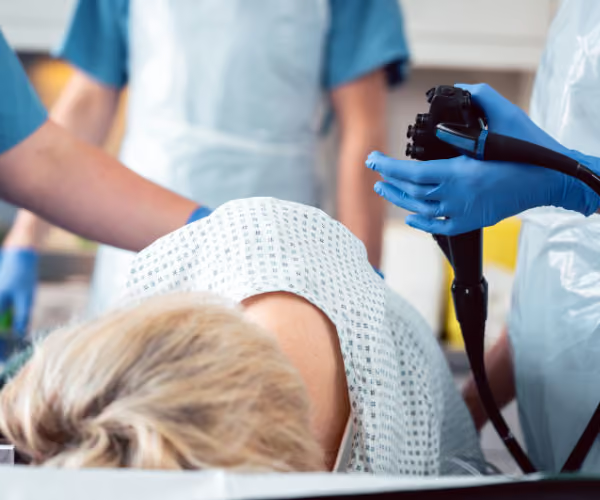
Endoscopy is a medical procedure used to investigate symptoms affecting the digestive tract. Using an endoscope, which is a flexible tube with a light, lens, and small video camera, specialists can examine the oesophagus, stomach, and upper gastrointestinal tract for signs of disease, inflammation, bleeding, or other conditions.
To support safe, appropriate and high-quality care, the Australian Commission on Safety and Quality in Health Care has developed the Colonoscopy Clinical Care Standard. The standard includes nine quality statements and a set of indicators designed to improve patient outcomes and ensure best-practice care.
Whether you're having an open-access endoscopy or a capsule endoscopy, understanding what to do before and after your appointment can help make the experience smoother and support your recovery.
Can you have an endoscopy in certain situations?
In many cases, you can still have an endoscopy procedure if you have an existing health condition. However, it's important to tell your specialist about any medical issues, medications or recent illnesses before your appointment. This helps ensure the procedure is performed safely.
If you are pregnant
If you are pregnant or think you may be pregnant, let your specialist know before the procedure. Endoscopy may still be performed when clinically necessary, but your care team will consider the safest approach for you and your baby.
If you have a cold, cough or infection
A cold, chest infection or persistent cough may affect your procedure, particularly if sedation is planned, as it can potentially lead to aspiration pneumonia. Contact your specialist before your appointment if you develop symptoms in the days leading up to your endoscopy.
If you take blood thinners or diabetes medication
Some medications may need to be adjusted before an endoscopy, especially if a biopsy or tissue sample is to be taken. This commonly includes blood-thinning medications and some diabetes treatments. Never stop prescribed medication unless advised by your doctor.
If you have other medical conditions
Tell your specialist if you have heart disease, lung disease, sleep apnoea, allergies or any other ongoing health condition. Your medical history helps the healthcare team plan your procedure and sedation requirements safely
Explore our capsule endoscopy service
Capsule endoscopy provides a detailed view of the small bowel and can help investigate symptoms that may not be explained through other diagnostic tests. It is a minimally invasive procedure that supports the diagnosis of a range of digestive conditions.
Capsule endoscopy
Examine hard-to-reach areas of the small bowel with a swallowable capsule camera and image recorder.
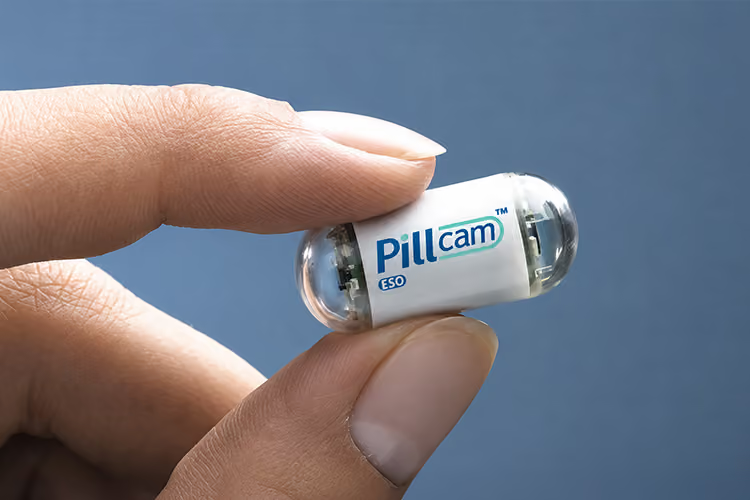
A swallowable capsule camera used to examine the small bowel and identify gastrointestinal conditions.
What can you eat or drink before an endoscopy?
Preparing properly for an endoscopy procedure helps your specialist obtain clear views of the digestive tract and reduces the risk of complications. You'll usually receive specific instructions before your appointment, including when to stop eating and drinking.
When you need to stop eating
Most patients will need to fast before an endoscopy. Food remaining in the stomach can affect the examination and increase the risk of complications during sedation.
Your specialist will advise exactly when to stop eating. This may vary depending on the type of endoscopy procedure being performed and your medical history.
What you can drink before the procedure
In many cases, clear fluids such as water may be allowed up to a certain time before the procedure. However, requirements can vary, so always follow the preparation instructions provided by your healthcare team.
Foods and drinks to avoid
Avoid eating or drinking anything outside the instructions provided by your specialist. This typically includes:
- Solid foods
- Milk and dairy-based drinks
- Alcohol
- Juice containing pulp
If you're unsure whether a food or drink is allowed, contact your healthcare provider before the procedure.
Following your specialist's preparation instructions
Preparation requirements can differ depending on whether you're having a gastroscopy, colonoscopy or another type of endoscopy. Carefully following the instructions provided will help ensure the procedure can proceed safely and effectively.
What can you eat after an endoscopy?
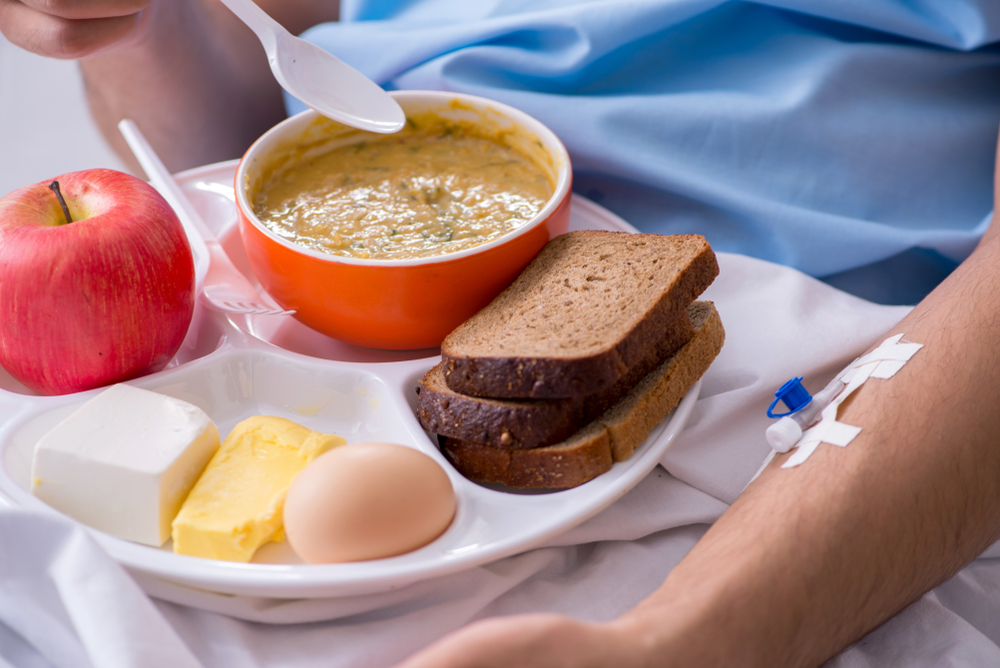
Most people can eat and drink shortly after an endoscopy procedure, although the timing may vary depending on the type of examination performed and whether sedation, anaesthesia or a biopsy was involved.
Your healthcare team will monitor you after the procedure and advise when it is safe to eat and drink again.
When you can start eating again
If your throat is numb from a local anaesthetic, you may need to wait until the sensation has returned before eating or drinking. This reduces the risk of choking.
For an upper endoscopy, where the endoscope is passed through the mouth to examine the oesophagus, stomach and duodenum, patients are usually able to resume eating once it is safe to swallow comfortably.
Foods that are easier on the stomach
Many patients prefer to start with light meals and gradually return to their usual diet. Suitable options may include:
- Bread or toast
- Plain rice
- Chicken
- Soup
- Yoghurt
- Water
If you experience mild bloating or stomach discomfort afterwards, avoiding heavy, spicy or greasy foods for the rest of the day may help.
What if you have a sore throat?
A mild sore throat can occur after an upper endoscopy because the flexible tube with a lens and small camera passes through the throat during the examination.
Drinking water, eating soft foods, and using an antacid, if recommended by your doctor, may help relieve mild discomfort. Symptoms usually improve within a short period.
When to contact your doctor
Although serious complications are uncommon, seek medical advice if you experience:
- Severe abdominal pain
- Ongoing bleeding
- Difficulty swallowing
- Persistent vomiting
- Fever
These may be signs of possible complications that require assessment.

Recovery tip
After an endoscopy procedure, keep meals simple for the rest of the day. Foods such as bread, rice, chicken and soup are often easier on the stomach while the effects of sedation wear off.
What activities can you do after an endoscopy?
Recovery after an endoscopy procedure is usually straightforward, but what you can do afterwards depends on whether you received a sedative, anaesthesia or another form of medication during the examination.
Activity guide after an endoscopy
What to expect during recovery
Before you leave, your healthcare team will monitor your recovery and explain any follow-up requirements. If a biopsy was taken or tissue was removed during the procedure, you may receive additional instructions.
You should also receive information about your results, when to expect a diagnosis and who to contact if you have concerns during the recovery period.
When can you return to normal activities?

Most people can resume their usual routine the following day. However, recovery times vary depending on the type of endoscopy procedure performed, whether a biopsy was taken, and the type of sedation used.
If your specialist has provided specific aftercare instructions, follow those before returning to exercise, travel or other activities.
Find out if an endoscopy is right for you
If you’re experiencing ongoing digestive symptoms or have been advised to investigate your gastrointestinal health, our specialists can help guide your next steps. Book an appointment with Moonee Valley Specialist Centre to discuss your symptoms.
Frequently asked questions
What happens during an endoscopy procedure?
During an endoscopy procedure, a specialist inserts an endoscope or fibrescope through a natural opening, such as the mouth. The device contains a camera and light that allows the doctor to examine the lining of an organ and identify signs of disease or other abnormalities.
Can an endoscopy help diagnose cancer?
An endoscopy is a valuable diagnostic test that can help identify ulcers, inflammation, polyps and some tumours. If an abnormal area is found, your specialist may take a tissue sample to support diagnosis and determine whether further testing is required.
Is an endoscopy the only test available?
Not always. Depending on your symptoms and medical history, your specialist may recommend alternative investigations, such as imaging scans, blood tests or an endoscopic ultrasound. The most appropriate test will depend on the condition being investigated.
Will I need to sign a consent form?
Yes. Before the procedure, you'll be asked to review and sign a consent form. This gives you an opportunity to discuss the benefits, risks and purpose of the examination and request clarification about any aspect of your care.
Will I receive a general anaesthetic?
Most endoscopy procedures are performed using sedation rather than a general anaesthetic. Your specialist will explain the most suitable option based on the type of procedure being performed and your individual circumstances.
Disclaimer
This article is intended for general educational purposes only and does not replace professional medical advice, diagnosis or treatment. Preparation requirements, procedure details and recovery instructions may vary depending on your individual circumstances and the type of endoscopy being performed. Always follow the advice provided by your specialist or healthcare team.

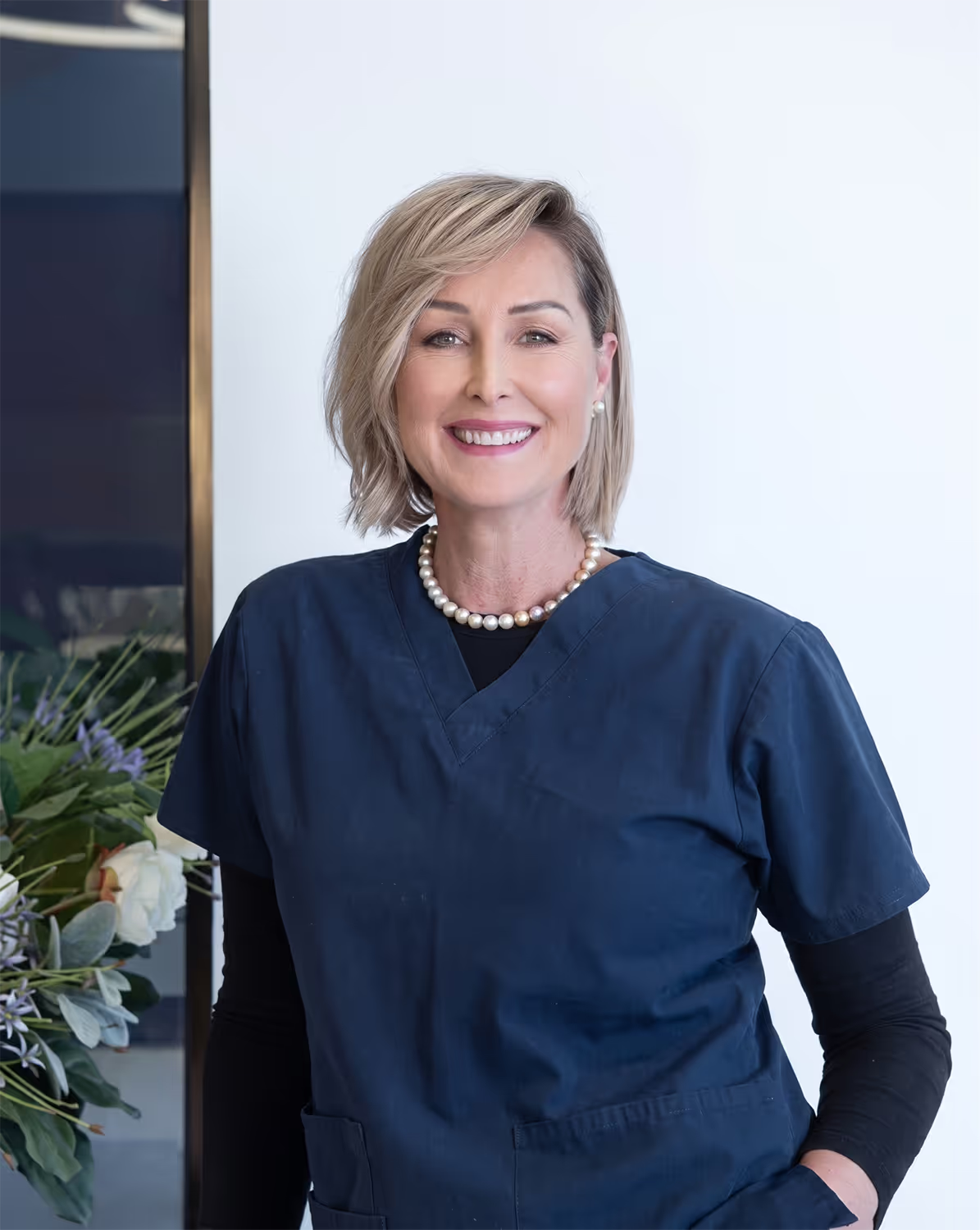
Registered nurse and director focused on patient support, education and delivering a welcoming, family-oriented care experience.