


Key Takeaways
- Most people should avoid alcohol unless their liver specialist says it is safe.
- Alcohol does not cause autoimmune hepatitis.
- Drinking may add stress to liver cells and increase the risk of inflammation, scarring or complications.
- Your test results, liver scan, symptoms, treatment and long-term risk all influence whether alcohol is safe.
- A gastroenterologist or hepatologist can help you understand your diagnosis and make safer choices for you.
Being diagnosed with autoimmune hepatitis can raise many questions about everyday choices, including whether you need to stop drinking alcohol completely.
Alcohol does not cause autoimmune hepatitis, but it can contribute to liver inflammation, liver damage and long-term complications in people whose liver is already under stress. This is especially important if tests show advanced liver disease, cirrhosis or ongoing inflammation.
This guide explains what people with autoimmune hepatitis need to know about alcohol use, safer lifestyle habits and when to seek specialist guidance.
Can people with autoimmune hepatitis drink alcohol?
In most cases, people with autoimmune hepatitis should avoid alcohol unless their liver specialist says it is safe for them.
Autoimmune hepatitis causes inflammation in the liver. Alcohol can add further stress to liver cells and may increase the risk of liver damage, especially if you have abnormal liver test results, active inflammation, fibrosis, cirrhosis or medication side effects.
Some people with stable autoimmune hepatitis may be told that occasional alcohol is acceptable, but this depends on their diagnosis, treatment response and long-term liver health. There is no single safe amount of alcohol that applies to everyone with autoimmune hepatitis.
Why alcohol can be a concern for people with autoimmune hepatitis
Alcohol can be a concern because autoimmune hepatitis already causes liver inflammation. Adding alcohol may make it harder for the liver to recover, especially when liver tests are abnormal or when treatment is still being adjusted.
Alcohol can also contribute to other forms of liver damage, including fatty liver disease, alcohol- related liver disease, fibrosis and cirrhosis. For someone with autoimmune hepatitis, this can make diagnosis, monitoring and long-term management more complex.
The concern is not just whether alcohol “causes symptoms” straight away. It is whether alcohol increases stress on liver cells over time and raises the risk of complications in a liver that is already affected by disease. Autoimmune hepatitis can lead to cirrhosis if untreated, and alcohol-related liver disease can also damage the liver, so avoiding extra strain is often the safest approach.
Does alcohol make autoimmune hepatitis worse?
Alcohol can make liver damage worse in people with autoimmune hepatitis, especially when the condition is active or liver scarring is already present.
Autoimmune hepatitis causes inflammation in the liver. When alcohol is added, the liver has to process another substance that can irritate and damage liver cells. This may increase the risk of worsening inflammation, abnormal liver tests, fibrosis, cirrhosis and other long-term complications.
The risk is higher if you have active symptoms, elevated liver enzymes, advanced liver disease or have been advised to stop drinking alcohol completely. Even if alcohol does not cause an immediate flare, it can make overall liver management harder over time.
Can alcohol cause autoimmune hepatitis?
No. Alcohol does not cause autoimmune hepatitis.
Autoimmune hepatitis is an autoimmune disease, which means the immune system mistakenly attacks healthy liver cells. The exact cause is not fully understood, but it is thought to involve a mix of genetic risk and environmental triggers.
Alcohol can cause other types of liver disease, including fatty liver disease, alcoholic hepatitis and alcohol-related cirrhosis. These are different from autoimmune hepatitis, even though they can affect the same organ and cause similar signs of liver damage.
This is why an accurate diagnosis matters. A doctor may use blood tests, antibody tests, liver function tests, imaging, and sometimes a liver biopsy to determine the cause of liver inflammation.
Alcohol, liver inflammation and long-term liver health
Alcohol can affect liver health in several ways, which is why people with autoimmune hepatitis are usually advised to be cautious. The main concern is the combined effect of ongoing liver inflammation and alcohol-related stress on liver cells.
| What alcohol may affect | Why it matters with autoimmune hepatitis |
|---|---|
| Liver inflammation | Alcohol may add to existing inflammation, making the liver work harder to recover. |
| Liver test results | Drinking can make it harder to interpret changes in liver enzymes and disease activity. |
| Fibrosis risk | Ongoing liver injury may increase the risk of scar tissue developing over time. |
| Cirrhosis risk | If liver scarring becomes advanced, the risk of complications can increase. |
| Treatment monitoring | Alcohol use may complicate decisions about medication response and long-term management. |
Inflammation can build over time
Autoimmune hepatitis can cause ongoing inflammation, even when symptoms are mild. Alcohol may add another source of irritation to the liver, increasing the chance of long-term damage if inflammation is not well controlled.
Liver scarring can become permanent
Repeated liver injury can lead to fibrosis, which is the build-up of scar tissue. If fibrosis becomes severe, it may progress to cirrhosis. At this stage, some liver damage may be permanent and more difficult to reverse.
Alcohol can complicate monitoring
Specialists often monitor autoimmune hepatitis through symptoms, liver function tests, imaging, FibroScan results and sometimes biopsy findings. Drinking alcohol can make it harder to understand whether abnormal results are caused by autoimmune hepatitis, alcohol use or another liver condition.
Factors that influence whether alcohol is safe to drink
Whether alcohol is safe depends on your individual liver health, treatment plan and risk factors. Your healthcare provider may consider several clinical details before giving advice.
- Your liver function test results help show whether inflammation is under control.
- Your treatment plan and medication response may affect whether alcohol is recommended.
- Other health conditions can increase the risks associated with alcohol.
- Your long-term liver health helps guide personalised advice.
Your latest test results
Blood tests can show whether liver inflammation is improving, stable or becoming more active. If results are abnormal, your specialist may recommend avoiding alcohol while your condition is being monitored or treated.
Your treatment response
Autoimmune hepatitis is commonly managed with medical treatment to reduce immune activity in the liver. If your medication is still being adjusted, or side effects are occurring, alcohol may not be recommended.
Other health conditions
Alcohol may carry more risk if you also have fatty liver disease, diabetes, obesity, infection risk or another disorder affecting your liver or immune system. These health problems can influence what your provider considers safe.
Your long-term risk profile
Your specialist may consider whether avoiding alcohol could help prevent future complications and support better health. In advanced cases, the priority is to protect liver function and reduce the risk of life-threatening health problems.
What do specialists recommend about alcohol consumption?
Most specialists recommend avoiding alcohol with autoimmune hepatitis unless your liver specialist has clearly said it is safe for your situation.
Ask before setting a personal limit
General drinking advice is not enough when you have liver disease. A standard drink can help measure how much alcohol you consume, but your safe limit may be lower than general guidelines, or you may be advised not to drink at all.
Avoid alcohol if the disease is active or advanced
Alcohol is usually not recommended if tests show active inflammation, cirrhosis, liver failure risk or advanced liver disease. In these cases, the focus is on protecting remaining liver function and reducing the chance of serious health problems.
Stop drinking if alcohol-related damage is present
If alcohol is associated with liver injury, treatment is to stop drinking. Some alcohol-related liver changes may be reversible early, but ongoing use can lead to permanent damage and complications.
Get support if stopping feels difficult
If cutting back or stopping alcohol feels hard, speak with your doctor or healthcare provider. They can connect you with support services and help you manage alcohol use safely, without judgment.
Follow specialist advice in severe cases
In advanced liver disease, a liver transplant may be considered if liver failure develops and other treatments are no longer effective. This is why specialists often recommend avoiding alcohol early, before complications become harder to manage. Autoimmune hepatitis can progress to cirrhosis, liver failure or transplant in some cases, while alcohol-associated liver disease can act as a co-factor in worsening chronic liver conditions.
Alternatives to alcohol for people managing autoimmune hepatitis
Choosing not to drink does not mean missing out socially. The aim is to reduce pressure on your liver while still having options that feel enjoyable and easy to choose.
Alcohol-free drinks
Alcohol-free beer, wine or spirits may be an option for some people, but check the label. Some products still contain a small amount of alcohol, so ask your healthcare provider if you are unsure.
Sparkling water with flavour
Sparkling water with lime, mint, berries or cucumber can feel more like a social drink without adding alcohol. It is also easy to order when eating out.
Mocktails without high sugar
Mocktails can be a good alternative, but some are very high in sugar. Choose options with soda water, citrus, herbs or fresh fruit instead of syrups or soft drinks.
Tea, coffee or kombucha alternatives
Tea, iced tea, coffee and other non-alcoholic drinks can help replace the habit of having a drink with meals or at social events. If choosing kombucha, check the alcohol content on the label.
Lifestyle habits that support liver health
Lifestyle habits cannot cure autoimmune hepatitis, but they can help support treatment and reduce extra strain on the liver.
- Follow your treatment plan: Take medication as prescribed and speak with your specialist before making changes.
- Attend regular monitoring: Keep up with blood tests and reviews so changes in liver health can be found early.
- Eat for overall health: Choose balanced meals that support energy, weight management and metabolic health.
- Check medicines and supplements first: Ask your doctor or pharmacist before taking new products, including herbal or natural supplements.
- Stay active where possible: Regular movement can help improve fitness, energy and long-term health.
- Protect against infection: Ask your healthcare provider about vaccinations and what to do if you become unwell.
- Manage related conditions: Keep diabetes, high cholesterol, fatty liver disease or other health problems well controlled.
When to speak with a specialist about alcohol and autoimmune hepatitis
If you have autoimmune hepatitis, it's important to speak with a specialist before drinking alcohol, particularly if your diagnosis is recent, your liver health has changed, or you're unsure what's safe for you.
Abnormal liver test results
Changes in your liver enzyme levels may indicate ongoing inflammation or liver stress. Your specialist can assess your results and advise whether alcohol should be avoided.
New or worsening symptoms
Symptoms such as fatigue, jaundice, abdominal swelling, nausea or unexplained weight changes should be reviewed, as they may indicate changes in your liver health.
Starting or changing treatment
If you've recently started medication or your treatment plan has changed, your specialist can explain how alcohol may affect your treatment or increase the risk of side effects.
Fibrosis, cirrhosis or advanced liver disease
Alcohol may pose a greater risk if you have liver scarring or advanced liver disease. Your specialist can provide personalised advice based on the severity of your condition.
Difficulty reducing or stopping alcohol
If you're finding it difficult to cut back or stop drinking, your doctor can provide confidential, non- judgmental support and refer you to appropriate services if needed.
Uncertainty about your diagnosis
If it's unclear how much your liver has been affected, your specialist may recommend further investigations, such as blood tests, imaging, a FibroScan, a physical examination or a liver biopsy, to better understand your liver health.
Looking for advice from specialists?
If you have autoimmune hepatitis and aren't sure whether alcohol is safe for you, speak with a liver specialist before making any changes. Our gastroenterologists can assess your liver health, review your test results and provide personalised advice based on your diagnosis, treatment plan and long-term risk.
Our liver health assessment
Autoimmune hepatitis can affect liver inflammation, scarring and long-term liver function. Our specialists use liver scans and clinical assessment to help guide diagnosis, monitoring and next steps.
Liver scan
A liver scan is a non-invasive test that helps assess liver stiffness and fatty change, giving your specialist clearer information about your liver health.
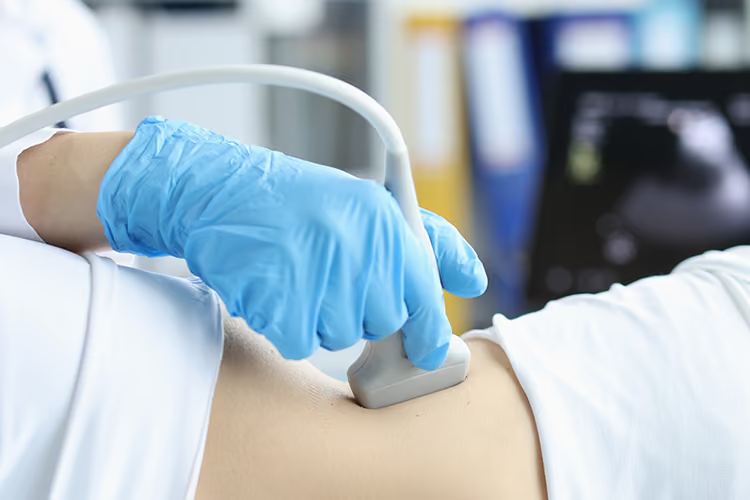
Non-invasive liver assessment using FibroScan technology to detect liver disease and monitor liver health quickly and accurately.
Frequently asked questions
Is autoimmune hepatitis the same as alcoholic hepatitis?
No. Autoimmune hepatitis is an immune-related liver disorder where the immune system attacks liver cells. Alcoholic hepatitis is caused by heavy alcohol use and is a form of alcohol-related liver disease. Both can cause liver inflammation, but they have different causes and treatment approaches.
Can I drink alcohol if my liver tests are normal?
Normal liver tests are a good sign, but they do not automatically mean alcohol is safe. Your specialist may also consider your diagnosis, past biopsy or liver scan results, medication, symptoms and long-term risk before giving advice.
Can stopping alcohol improve liver health?
Stopping alcohol can reduce extra stress on the liver and may support better health, especially if alcohol has been contributing to inflammation or liver damage. If you find it difficult to stop drinking, your doctor can guide you towards support services.
Disclaimer
This article is intended for general educational purposes only and should not be considered medical advice. The information provided does not replace consultation, diagnosis or treatment from a qualified healthcare professional.


Registered nurse and director focused on patient support, education and delivering a welcoming, family-oriented care experience.