


Key Takeaways
- A complete blood count (CBC) and iron studies are the primary blood tests used to diagnose anaemia and identify iron deficiency.
- Blood test results help guide diagnosis, but additional investigations may be needed to determine the underlying cause.
- Treatment depends on the type and cause of anaemia and may include iron supplements, iron infusions or management of an underlying condition.
If you've been told you have anaemia or low iron, your doctor will usually recommend a series of anaemia blood tests to find the underlying cause. These tests do more than confirm whether your haemoglobin is low. They help assess your red blood cells, iron levels and other nutrients that support healthy blood production.
A complete blood count (CBC) and iron studies are often the first step in diagnosing iron deficiency anaemia, but additional tests may be needed depending on your symptoms and medical history. In some cases, people can be iron deficient without anaemia, making early investigation important.
This guide explains the most common blood tests used to diagnose anaemia, what your results may mean, and what happens next if a deficiency or another underlying condition is identified.
Why blood tests are important for diagnosing anaemia
Blood tests are the most reliable way to diagnose anaemia because symptoms such as fatigue, weakness, dizziness and shortness of breath can have many different causes. While symptoms may suggest a problem, only a blood test can confirm whether you have anaemia, determine its severity and help identify the underlying cause.
Diagnosis usually begins with a CBC, which measures your haemoglobin, red blood cells and other important blood components. Your doctor will often request iron studies at the same time to assess your iron levels, including serum ferritin and transferrin, to determine whether iron deficiency is contributing to your symptoms.
These results are interpreted alongside your medical history, symptoms and physical examination. If iron deficiency or another abnormality is found, additional tests may be needed to find the cause, such as blood loss, poor iron absorption, chronic disease or vitamin deficiencies.
What blood tests can reveal
- Whether you have anaemia and how severe it is
- Whether iron deficiency anaemia is the most likely diagnosis
- If you have iron deficiency without anaemia
- Signs of inflammation, chronic disease or infection
- Whether further investigation or treatment is needed
Understanding your complete blood count (CBC) results
A CBC, also known as a full blood count, is one of the first laboratory tests used to investigate suspected anaemia. It measures several components of your blood to determine whether you have anaemia and provides clues about what may be causing it.
The most important result is your haemoglobin (Hb) level. Haemoglobin is the protein inside red blood cells that carries oxygen throughout your body. Low haemoglobin usually indicates anaemia, but your doctor will also consider other CBC measurements before making a diagnosis. Your CBC also assesses the number of red blood cells and their size and shape. These results can help distinguish iron-deficiency anaemia from other forms of anaemia and guide the next stage of the diagnostic workup. They may also indicate whether further investigations are needed for conditions such as anaemia of chronic disease, blood disorders, or, less commonly, inherited conditions such as sickle cell disease.
What your CBC measures
| Test | What it tells your doctor |
|---|---|
| Haemoglobin (Hb) | Measures the amount of oxygen-carrying protein in your blood. Low levels are a key sign of anaemia. |
| Red blood cell count | Shows whether you have fewer red blood cells than expected. |
| Mean corpuscular volume (MCV) | Measures the average size of your red blood cells. Small cells often suggest iron deficiency, while larger cells may indicate vitamin B12 or folic acid deficiency. |
| Mean corpuscular haemoglobin (MCH) | Measures the average amount of haemoglobin in each red blood cell. |
| Red cell distribution width (RDW) | Shows how much variation there is in the size of your red blood cells, which can help identify different causes of anaemia. |
A CBC provides valuable information, but it cannot identify the cause of iron deficiency on its own. For that reason, doctors usually combine it with iron studies and, if needed, other tests based on your symptoms, medical history and examination findings.
Iron studies explained
While a CBC shows whether anaemia is present, iron studies help determine whether iron deficiency is the reason. This group of blood tests measures how much iron your body has stored, how much is circulating in your bloodstream and how well it is available to produce healthy red blood cells.
Iron studies are especially useful because it's possible to be iron deficient without anaemia. Detecting low iron stores early allows treatment to begin before haemoglobin levels fall and symptoms become more severe.
| Test | What it tells your doctor |
|---|---|
| Serum ferritin | Measures your body's stored iron. Low ferritin levels are often the earliest sign of iron deficiency. |
| Serum iron | Measures the amount of iron circulating in your bloodstream at the time of the test. |
| Transferrin | A protein that transports iron through the blood. Higher transferrin levels can suggest your body is trying to carry more iron when stores are low. |
| Transferrin saturation | Shows how much of the transferrin protein is carrying iron. Low saturation commonly indicates iron deficiency. |
It's important to interpret these results together rather than individually. For example, serum ferritin may appear normal or elevated during inflammatory illnesses, infection or some forms of liver disease, even when iron stores are low. Your doctor considers your iron studies alongside your symptoms, medical history and other blood test results to make an accurate diagnosis.
If iron deficiency is confirmed, the next step is to determine why it has developed. This may involve investigating blood loss, reduced iron absorption, inadequate dietary intake, or medical conditions affecting the stomach or bowel, such as an ulcer or inflammatory bowel disease.
What different anaemia blood test results can mean
Blood test results are rarely interpreted in isolation. Your doctor reviews your CBC, iron studies, symptoms, and medical history to understand what may be causing your anaemia. While blood tests can point towards a diagnosis, they often indicate whether further investigation is needed rather than providing a final answer.
The table below outlines some common patterns seen in anaemia blood tests and what they may suggest.
| Blood test pattern | What it may mean |
|---|---|
| Low haemoglobin with low ferritin | Most commonly suggests iron deficiency anaemia. Your doctor will also investigate the underlying cause rather than simply treating the deficiency. |
| Low ferritin with normal haemoglobin | May indicate iron deficiency without anaemia, where iron stores are depleted before anaemia develops. |
| Normal or high ferritin with low haemoglobin | May suggest anaemia of chronic disease, inflammation or another medical condition affecting red blood cell production. |
| Large red blood cells (high MCV) | May be associated with vitamin B12 or folic acid deficiency, alcohol-related conditions or certain medications. |
| Abnormal blood cell counts or unusual blood cell appearance | May require assessment for blood disorders, including conditions affecting the bone marrow, and referral to a haematologist if appropriate. |
Abnormal results do not always indicate a serious illness. Factors such as chronic kidney disease, liver disease, infections, or immune system disorders can influence blood test results and may require additional investigations to determine the underlying cause.
If iron deficiency is confirmed, the next priority is to identify why it has developed. Common causes include bleeding from the stomach or bowel, reduced iron absorption, inadequate dietary intake or increased iron requirements, particularly in pregnant women. In some cases, further investigations such as endoscopy, imaging or a biopsy may be recommended to treat the cause, not just the anaemia.
Need clarity about your blood test results?
If you've been diagnosed with anaemia or iron deficiency, our specialists can explain your results, investigate the underlying cause and recommend the most appropriate treatment.
Additional tests your doctor may recommend
Most people won't need every available test. If your anaemia blood tests don't clearly explain why you're anaemic, your doctor may recommend further investigations based on your symptoms, medical history and the results already available.
If a vitamin deficiency is suspected
Not all anaemia is caused by iron deficiency. Blood tests for vitamin B12 and folate can identify nutritional deficiencies that affect red blood cell production and require different treatment.
If your body isn't producing enough red blood cells
A reticulocyte count measures how many new red blood cells your bone marrow is making. Kidney function tests may also be recommended because the kidneys produce erythropoietin, a hormone that stimulates red blood cell production.
If an underlying medical condition is suspected
Additional blood tests can help identify inflammation, autoimmune conditions or chronic illnesses that may contribute to anaemia. Sometimes a pathologist will examine a blood film under a microscope to look for changes that aren't visible on routine testing.
If blood loss or poor iron absorption is a concern
If iron deficiency is confirmed but the cause isn't obvious, your doctor may investigate the digestive tract. This can help identify conditions affecting iron absorption or sources of bleeding that require treatment.
If a bone marrow disorder needs to be ruled out
A bone marrow biopsy is only recommended in selected cases. It may be considered if uncommon conditions, such as aplastic anaemia or other blood disorders, are suspected after the initial investigations.
What happens after an anaemia diagnosis?

Receiving an anaemia diagnosis is only the first step. Your doctor will use your test results, symptoms and medical history to determine the underlying cause and recommend the most appropriate management plan. The goal is not only to restore healthy blood counts but also to reduce the risk of the anaemia returning.
Identifying the underlying cause
Although iron deficiency is common, it is important to understand why it has developed. Your doctor may review your diet, assess how well your body absorbs iron or investigate conditions that contribute to ongoing blood loss or reduced red blood cell production.
Creating a personalised management plan
Treatment and ongoing management depend on the type of anaemia, its severity and any underlying medical conditions. Your doctor will explain your diagnosis, discuss the available treatment options and arrange follow-up care where needed.
Monitoring your progress
Repeat lab tests are often recommended to monitor your haemoglobin and iron levels after treatment begins. These results help confirm that your blood counts are improving and determine whether any changes to your care plan are needed.
Referral when specialist care is needed
Some people may need referral to another specialist for further assessment. For example, a haematologist may investigate uncommon conditions such as aplastic anaemia, while other specialists may become involved if an underlying condition is contributing to the anaemia.
When iron deficiency anaemia may require treatment
Treatment is recommended when iron deficiency is causing anaemia, symptoms or both. The right approach depends on how low your iron levels are, what's causing the deficiency and how quickly your body needs to restore healthy iron stores. Your doctor will recommend a treatment plan that addresses both the deficiency and its underlying cause.
Iron tablets are often the first treatment
For many people, treatment involves taking iron tablets or other iron supplements to gradually replenish iron stores. Taking iron with vitamin C may improve absorption, while some foods and medications can reduce how well your body absorbs iron.
Although oral treatment is effective for many people, it can take several weeks or months to restore iron levels. Some people also experience side effects such as constipation, nausea or stomach discomfort.
When intravenous iron may be recommended
Intravenous iron delivers iron directly into the bloodstream and may be recommended if oral supplements are ineffective, not well tolerated or insufficient to correct the deficiency. It may also be considered when faster treatment is needed or when conditions affecting the digestive tract limit iron absorption.
When a blood transfusion may be necessary
A blood transfusion is not a routine treatment for iron deficiency anaemia. It is generally reserved for people with severe anaemia, significant symptoms or ongoing bleeding where rapid restoration of red blood cells is required. Even after a transfusion, treatment is usually needed to correct the underlying iron deficiency.
Expert anaemia care
Every case of iron deficiency is different. Our specialists identify the underlying cause of your low iron and recommend the most appropriate treatment, including iron infusions when needed.
Iron infusion treatment
Receive personalised assessment and iron infusion treatment in a safe, comfortable clinical environment.
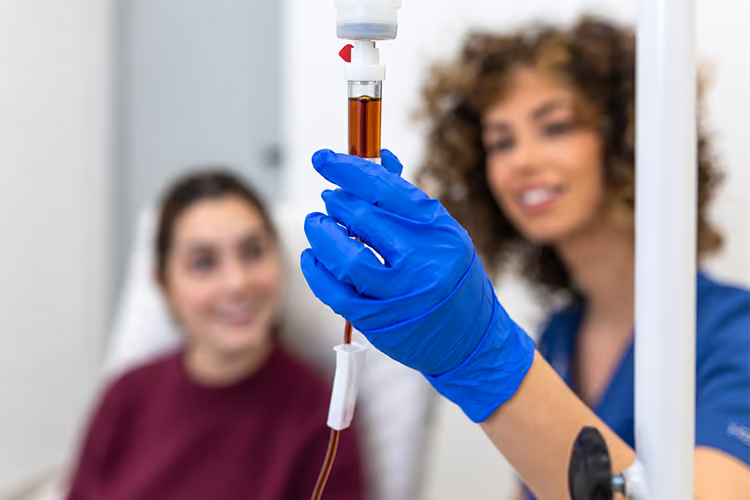
Fast and effective treatment for iron deficiency, delivered safely in a comfortable clinical setting by experienced staff.
Frequently asked questions
Can I have anaemia even if my iron levels are normal?
Yes. Iron deficiency is the most common cause of anaemia, but it isn't the only one. Anaemia can also result from vitamin B12 or folate deficiency, chronic kidney disease, inflammation, inherited blood disorders or certain medical conditions. Your doctor interprets your blood tests as a whole to determine the underlying cause.
How often should anaemia blood tests be repeated?
The timing depends on the cause of your anaemia and the treatment you're receiving. Your doctor may recommend repeat blood tests a few weeks or months after treatment begins to monitor your haemoglobin and iron levels and confirm that you're responding as expected.
Should I start taking iron supplements before having blood tests?
It's generally best to speak with your doctor before starting iron supplements. Taking iron before your blood tests, or without first confirming the cause of your symptoms, can make it more difficult to interpret the results and may delay the correct diagnosis. Your doctor can recommend the most appropriate treatment based on your test results.
Disclaimer
This article is intended for general educational purposes only and should not be considered medical advice. The information provided does not replace consultation, diagnosis or treatment from a qualified healthcare professional.


Registered nurse and director focused on patient support, education and delivering a welcoming, family-oriented care experience.